Why Concrete Block Production Is Growing Worldwide
Author:HAWEN Block MachineFROM:Brick Production Machine Manufacturer
TIME:2026-02-24
In recent decades, the global construction industry has witnessed an unprecedented surge in demand for concrete blocks, a phenomenon driven by the dual imperatives of sustainability and cost-efficiency. Urbanization, infrastructural expansion, and an increasing emphasis on energy-efficient construction methods have collectively elevated the status of concrete blocks from mere building units to essential instruments of modern architecture. Their modularity, durability, and adaptability render them indispensable for both large-scale infrastructural projects and localized residential developments.
Rising Urbanization and Infrastructure Demands
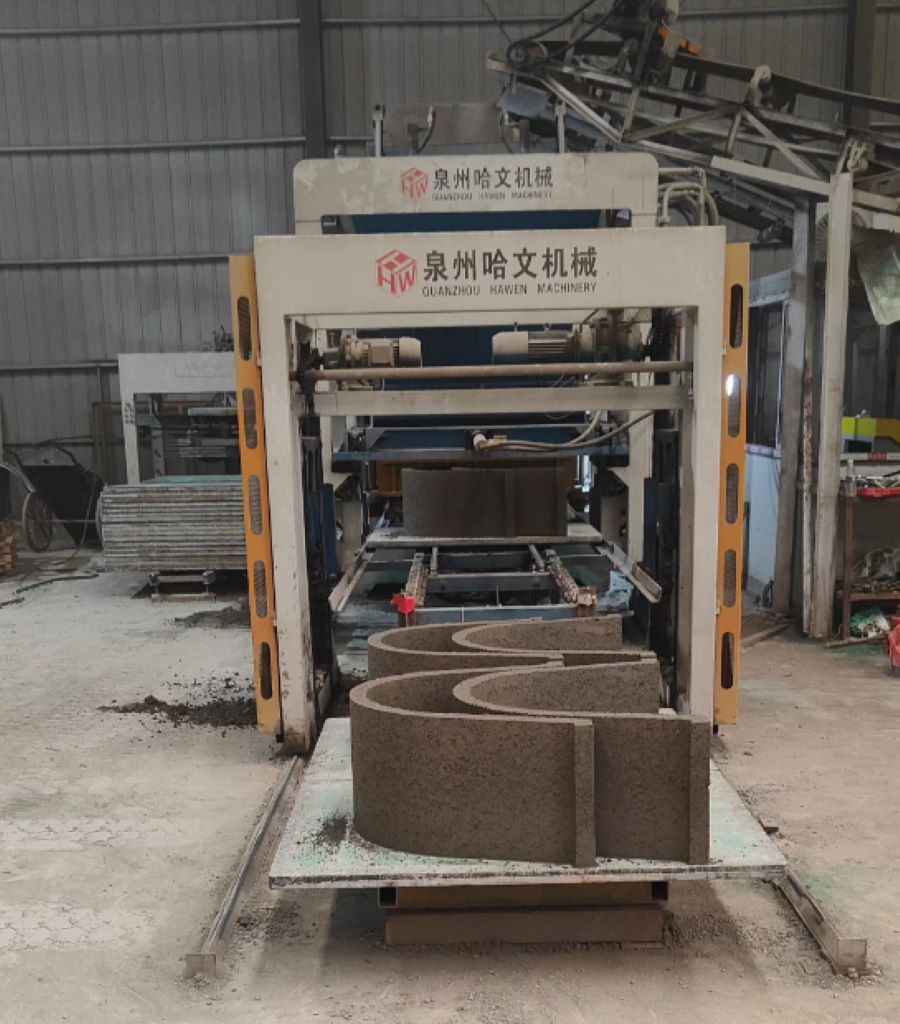
The rapid urban population growth across Asia, Africa, and Latin America has precipitated an extraordinary need for housing and public infrastructure. Concrete blocks offer a scalable solution, facilitating quick construction cycles without compromising structural integrity. Unlike traditional bricks, which often demand labor-intensive firing processes, concrete blocks can be manufactured with standardized precision, enabling accelerated project timelines and reduced labor costs. Consequently, developers and municipal authorities increasingly favor block production as a cornerstone of efficient urban development.
 Sustainability and Resource Efficiency
Sustainability considerations are increasingly reshaping construction priorities. Concrete block production permits the incorporation of recycled aggregates, fly ash, and industrial by-products, thereby reducing the environmental footprint associated with conventional brick manufacturing. Moreover, blocks' superior thermal mass contributes to energy efficiency, maintaining indoor comfort with lower heating and cooling requirements. As governments worldwide enforce stricter environmental regulations, these eco-conscious advantages amplify the global appeal of block-based construction.
Technological Advancements Driving Production Efficiency
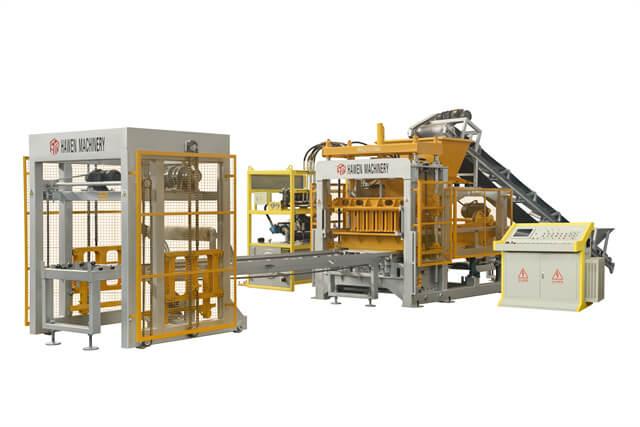
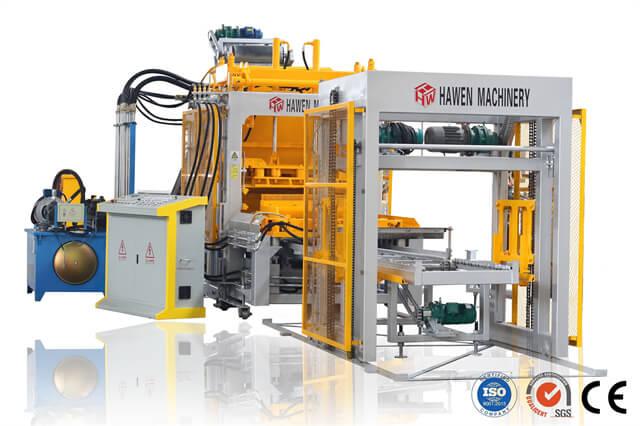
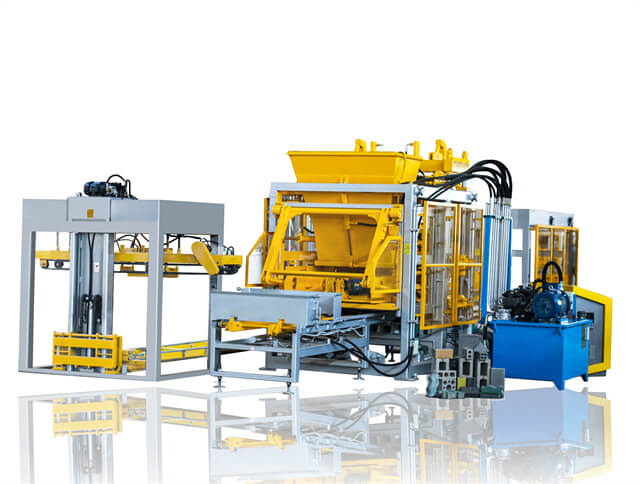
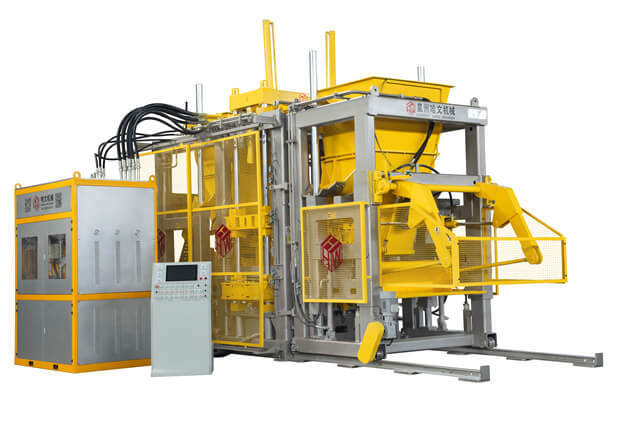
The remarkable growth of concrete block production is inseparable from technological innovation, where companies such as Hawen Machinery have set new benchmarks for efficiency, durability, and precision. For instance, Hawen Machinery adopts a four-shaft vibration box design, positioning eccentric blocks externally to the housing. This sophisticated configuration minimizes vibrational resistance, ensures homogenous compaction, lowers cement consumption, and enhances overall throughput—a combination that resonates with both cost-conscious and quality-focused producers.
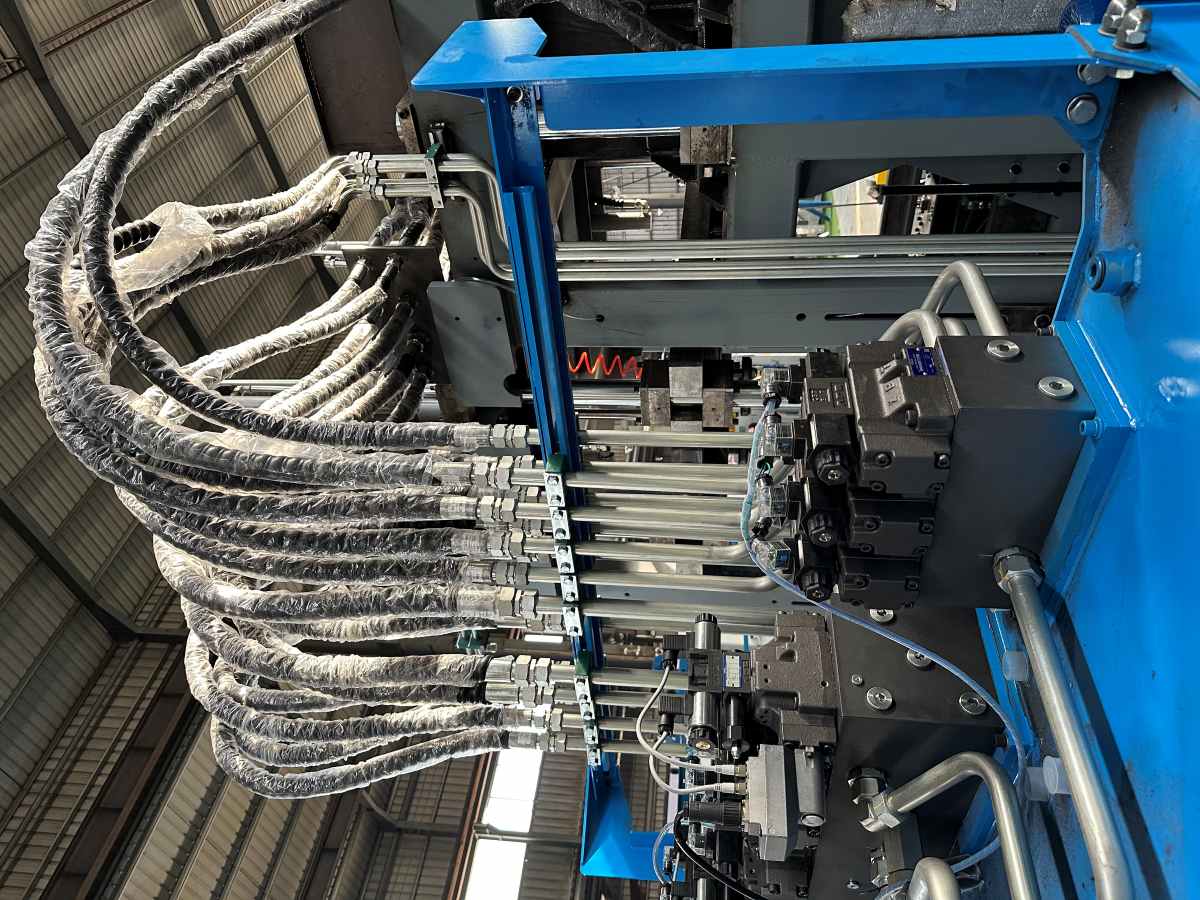
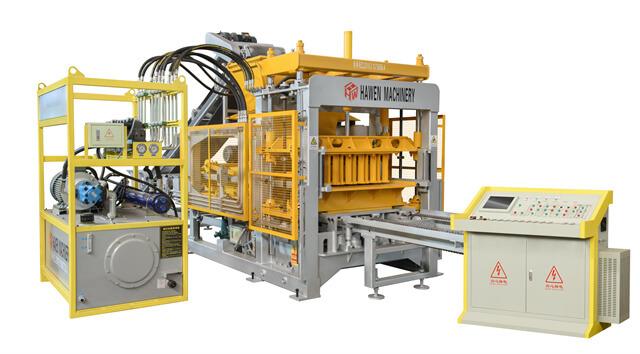
Similarly, the hydraulic stations of Hawen Machinery block machines exemplify a synergy of international engineering excellence. By integrating Japanese YUKEN proportional and directional valves with American ALBERT hydraulic pumps, the systems achieve a delicate balance between precise control, high load capacity, and long-term operational reliability. This integration ensures that even under continuous heavy-duty cycles, the machines maintain stable, predictable performance.
Sustainability and Resource Efficiency
Sustainability considerations are increasingly reshaping construction priorities. Concrete block production permits the incorporation of recycled aggregates, fly ash, and industrial by-products, thereby reducing the environmental footprint associated with conventional brick manufacturing. Moreover, blocks' superior thermal mass contributes to energy efficiency, maintaining indoor comfort with lower heating and cooling requirements. As governments worldwide enforce stricter environmental regulations, these eco-conscious advantages amplify the global appeal of block-based construction.
Technological Advancements Driving Production Efficiency
The remarkable growth of concrete block production is inseparable from technological innovation, where companies such as Hawen Machinery have set new benchmarks for efficiency, durability, and precision. For instance, Hawen Machinery adopts a four-shaft vibration box design, positioning eccentric blocks externally to the housing. This sophisticated configuration minimizes vibrational resistance, ensures homogenous compaction, lowers cement consumption, and enhances overall throughput—a combination that resonates with both cost-conscious and quality-focused producers.
Similarly, the hydraulic stations of Hawen Machinery block machines exemplify a synergy of international engineering excellence. By integrating Japanese YUKEN proportional and directional valves with American ALBERT hydraulic pumps, the systems achieve a delicate balance between precise control, high load capacity, and long-term operational reliability. This integration ensures that even under continuous heavy-duty cycles, the machines maintain stable, predictable performance.
 Smart Control Systems and Remote Management
Modern block production is increasingly reliant on intelligent control solutions. Hawen Machinery’s adoption of a SIEMENS S7-200 PLC system, combined with an intuitive touchscreen interface and remote monitoring functionality, allows operators to observe real-time machine performance, adjust operational parameters on the fly, and maintain consistent output quality. Such automation not only mitigates human error but also empowers factories to optimize energy use, reduce waste, and maintain stringent quality standards across high-volume production lines.
Precision Molds for Consistent Block Quality
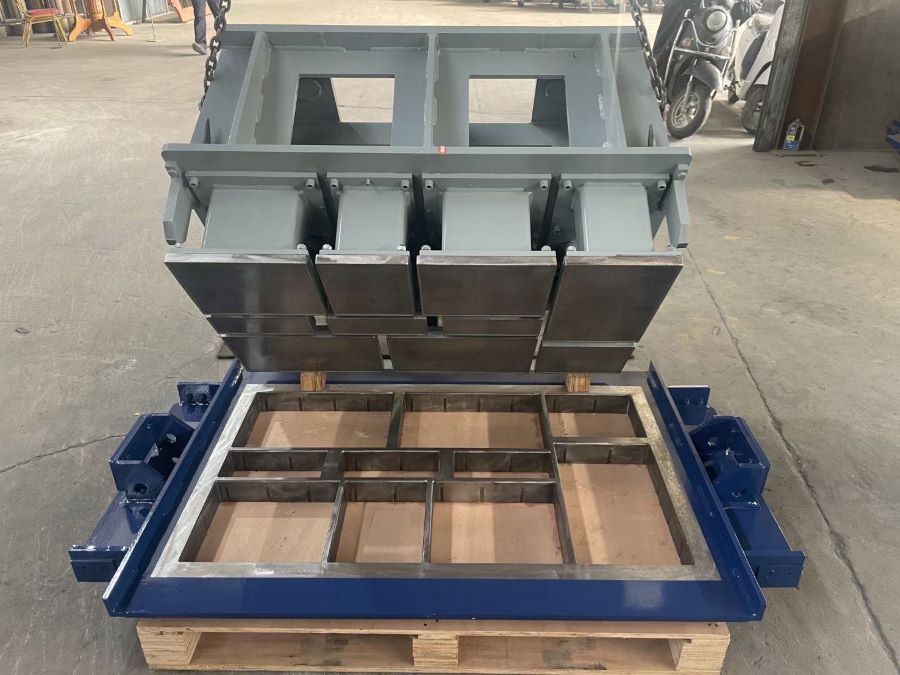
Quality consistency is another pivotal factor driving global block production. Hawen Machinery designs molds compatible with leading international brands, including MASA, HESS, ZENITH, POYATOS, BESSER, TIGER, and others. By meticulously adhering to original specifications, these molds guarantee seamless fit, smooth operation, and uniform block dimensions across different platforms. Such cross-compatibility enables factories to upgrade or integrate new machinery without compromising production standards—a critical consideration for expanding enterprises.
Smart Control Systems and Remote Management
Modern block production is increasingly reliant on intelligent control solutions. Hawen Machinery’s adoption of a SIEMENS S7-200 PLC system, combined with an intuitive touchscreen interface and remote monitoring functionality, allows operators to observe real-time machine performance, adjust operational parameters on the fly, and maintain consistent output quality. Such automation not only mitigates human error but also empowers factories to optimize energy use, reduce waste, and maintain stringent quality standards across high-volume production lines.
Precision Molds for Consistent Block Quality
Quality consistency is another pivotal factor driving global block production. Hawen Machinery designs molds compatible with leading international brands, including MASA, HESS, ZENITH, POYATOS, BESSER, TIGER, and others. By meticulously adhering to original specifications, these molds guarantee seamless fit, smooth operation, and uniform block dimensions across different platforms. Such cross-compatibility enables factories to upgrade or integrate new machinery without compromising production standards—a critical consideration for expanding enterprises.
 Conclusion: A Structural Revolution in Modern Construction
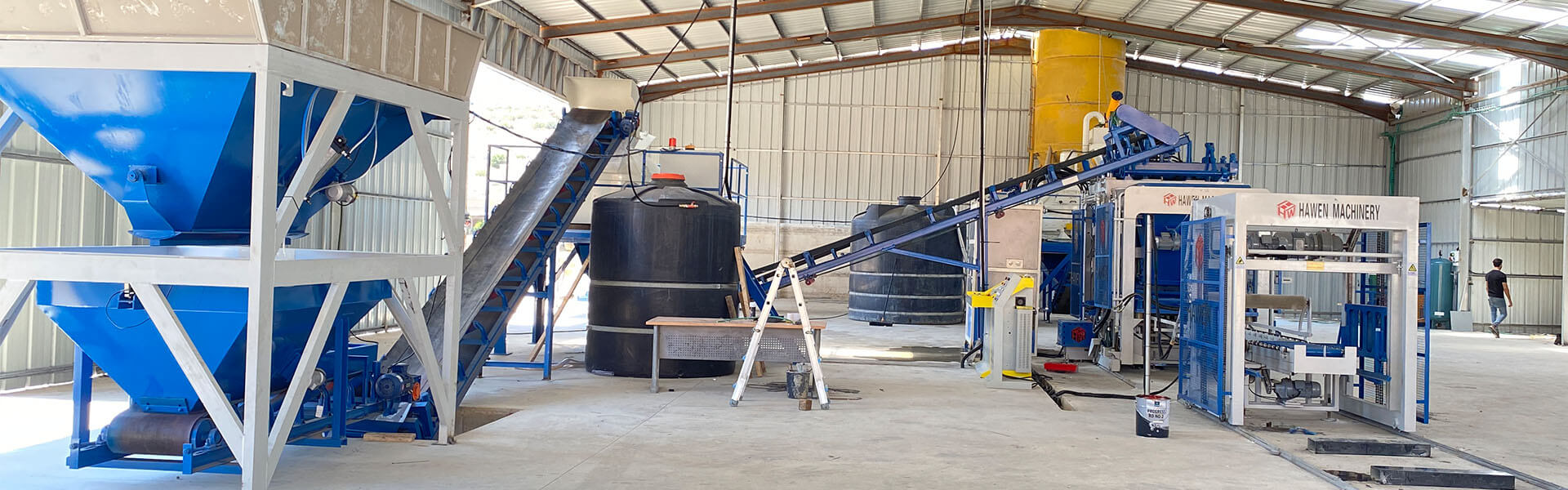
The worldwide expansion of concrete block production epitomizes a convergence of necessity, innovation, and sustainability. Urban growth pressures, environmental imperatives, and technological breakthroughs collectively underscore the strategic value of blocks in modern construction. Companies like Hawen Machinery exemplify the zenith of this evolution, blending engineering excellence with practical insights to redefine efficiency, precision, and durability. As we advance into a future increasingly defined by intelligent infrastructure, concrete blocks are no longer mere building components—they are foundational elements of a resilient, sustainable, and visionary built environment, shaping the skyline of tomorrow with unparalleled sophistication and enduring impact.
Conclusion: A Structural Revolution in Modern Construction
The worldwide expansion of concrete block production epitomizes a convergence of necessity, innovation, and sustainability. Urban growth pressures, environmental imperatives, and technological breakthroughs collectively underscore the strategic value of blocks in modern construction. Companies like Hawen Machinery exemplify the zenith of this evolution, blending engineering excellence with practical insights to redefine efficiency, precision, and durability. As we advance into a future increasingly defined by intelligent infrastructure, concrete blocks are no longer mere building components—they are foundational elements of a resilient, sustainable, and visionary built environment, shaping the skyline of tomorrow with unparalleled sophistication and enduring impact.





 Tel: +86-13905968794
 Email: export@hwmachines.com
 MP/WhatsApp: +86-13905968794
 Manufacturer Address:Nanan,Quanzhou City,Fujian Province,China