An automatic block stacker can appear to limit a concrete block production line even when the forming machine is ready to continue. Fresh-product pallets may queue before the stacker, or the forming section may pause because the receiving route cannot accept another pallet. The visible stopping point is useful evidence, but it does not automatically identify the component responsible for the delay.
The stacker operates within a wider handling system. Incoming pallets, selected stacking arrangements, receiving-space availability, transport to curing, and control permissions can all influence when the next pallet is accepted. A stacker waiting for another stage is not the same situation as a stacker unable to complete its own required movement.
This guide explains how operators, planners, and buyers can organize observations before a technical review. It does not provide control settings, movement adjustments, stacking limits, or instructions for working inside equipment. Any inspection or modification should follow the supplier's instructions and the plant's authorized safety procedures.
Review the stacker's operating state and surrounding material flow before identifying it as the bottleneck.
Locate the Stacker in the Fresh-Product Handling Route
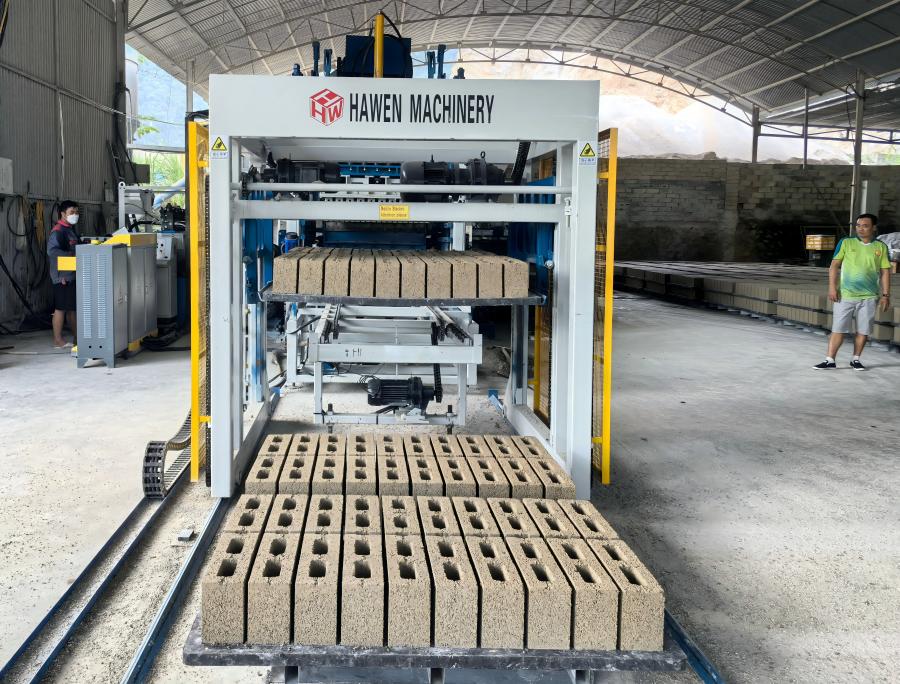
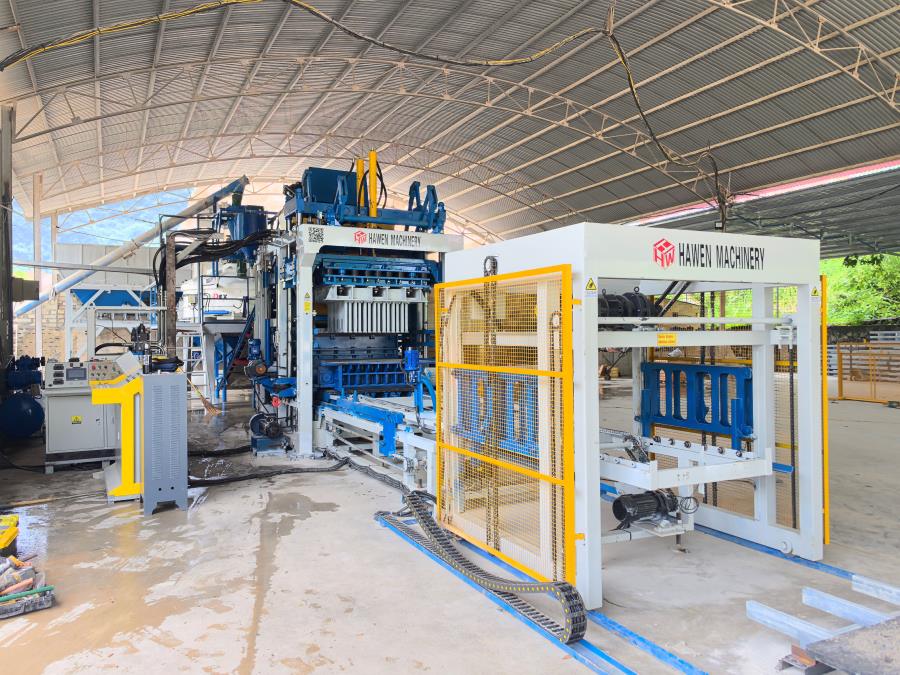
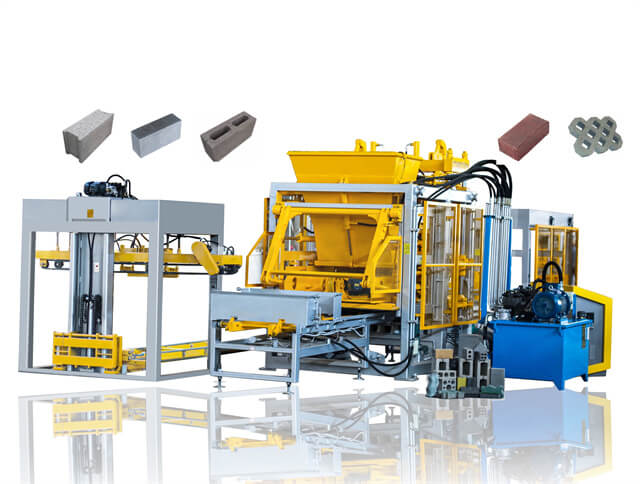
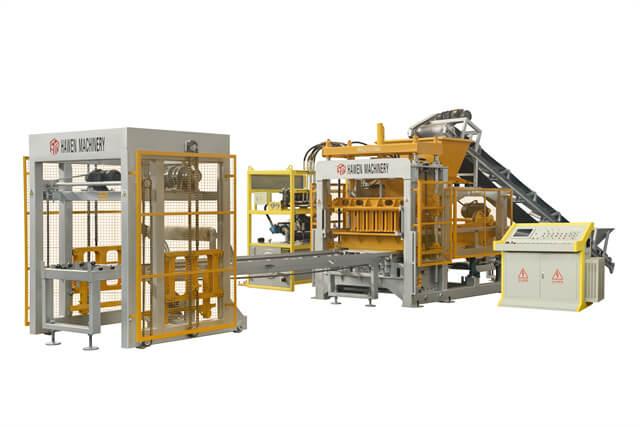
Start with the actual plant flow diagram. Identify the forming-machine outlet, pallet transfer route, stacker entry, collection or stacking arrangement, and the next receiving stage. Record how the products move toward curing. Do not assume that every automatic block plant uses the same arrangement simply because the main forming machine has a familiar model designation.
Distinguish the fresh-product stacker from equipment handling cured blocks. A cuber, de-stacker, empty-pallet return system, or offline palletizing arrangement has a different position and function in the production route. Using the same name for several machines can lead maintenance personnel to review the wrong interface or compare operating figures that are not equivalent.
Identify where temporary accumulation is permitted in the configured system. A short queue may be part of the intended operating sequence, while a persistent queue accompanied by forming-machine waiting may indicate a mismatch requiring review. The supplier should explain the approved arrangement and its limits. Additional accumulation space should not be improvised around moving equipment.
Define the symptom precisely. Record whether the stacker stops accepting pallets, takes longer to complete a movement, waits for a completed stack to leave, or pauses following an alarm. A report stating only that the stacker is slow combines different situations and gives the technical reviewer little basis for selecting the next investigation step.
Separate Stacker Movement from Waiting for Permission
Observe the equipment state when the delay occurs using the plant's approved viewing and reporting arrangements. Is the stacker carrying out a commanded movement, waiting for an incoming pallet, waiting for a receiving position, or showing a fault condition? These categories help separate active handling time from time determined by another part of the line.
A control permission may depend on the configured status of connected equipment. The exact conditions vary by installation, so ask the supplier or authorized controls specialist to identify the relevant sequence. A message on the operator interface can help locate the waiting state, but the meaning of that message should be confirmed rather than inferred from a short label.
Distinguish a control indication from a verified physical event. A recorded command does not by itself show when movement started or finished. Likewise, an indicated receiving condition may require technical investigation if it does not correspond with the observed situation. Operators can preserve observations and report the discrepancy without attempting to defeat a signal or alter the sequence.
Do not treat protective or operating interlocks as obstacles to remove for higher output. If the line waits because a required condition is not satisfied, the appropriate response is to identify and resolve that condition through authorized review. Bypassing it can conceal the original problem while creating a different equipment or handling risk.
Compare Pallet Arrival with Stack Clearance
Compare how pallets arrive with how the stacker and receiving route clear them. A forming machine may send products in a regular sequence, but downstream collection can involve grouped movements and pauses. The comparison should therefore include a representative operating period rather than only the fastest individual forming cycle or one isolated stacker movement.
Record the identified product, operating arrangement, and relevant interruptions alongside the observations. Normal production, product changeover, an empty-pallet interruption, and a delayed movement to curing should not be combined into one unexplained average. The purpose is to identify where time is being spent, not to produce a number that appears more precise than the evidence supports.
Check the availability of the next receiving stage. A completed stack may remain in place because its removal route or destination is unavailable. In that situation, increasing the stacker's movement speed does not necessarily create more useful capacity. The plant needs to review the receiving and clearance arrangement that prevents the next sequence from starting.
Look at the surrounding work pattern as well as the equipment. Transport availability, curing-space allocation, and competing movements can affect clearance. These observations should be reviewed with the relevant teams. Do not assume that the person nearest the stopped machine owns the cause simply because the delay becomes visible at that location.
Compare the forming section's pallet output with the complete downstream acceptance and clearance sequence.
Observed Situation
Evidence to Record
Question for Review
Pallets queue before the stacker
Arrival sequence, stacker state, product, and duration
Is the restriction within the stacker or at its next receiving stage?
Stacker waits with a completed stack
Receiving-space status and clearance timing
What prevents the completed stack from leaving?
Pauses follow product changes
Selected configuration and applicable product information
Has the intended handling arrangement been confirmed?
Delays occur intermittently
Event times, messages, operating state, and surrounding activity
Which conditions are present when the delay occurs?
Fresh products show handling damage
Damage location, product identity, and transfer stage
Does the handling route require a separate quality and technical review?
Check Product, Pallet, and Stack Configuration Together
Identify the product and handling configuration used when the symptom appears. Product geometry, height, pallet arrangement, and the selected stacking sequence belong in the review. A configuration that operated satisfactorily for one product should not automatically be treated as verified for another product with different handling requirements.
Confirm that the production pallets match the arrangement approved for the installed equipment. Keep pallet identity and observed condition linked to the event record where relevant. This does not mean that every delay originates in the pallet. It means that technical review should consider the actual items passing through the system instead of assuming that they are all equivalent.
Separate product damage from the capacity question. Increasing movement speed to reduce waiting is not a useful improvement if it creates handling problems or more rejected units. Record the applicable product-quality observations during any authorized comparison. The goal is stable accepted output through the route, not a faster isolated equipment movement.
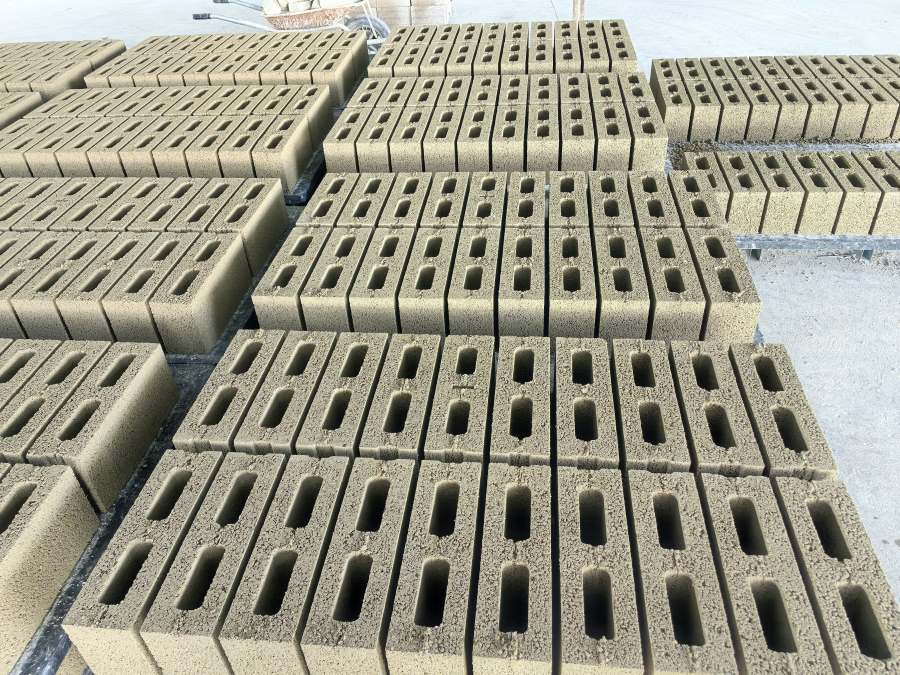
When reviewing a concrete block production line, ask how the proposed product range is supported by the downstream handling configuration. A main-machine capacity statement does not establish that every product can be stacked and transferred under the same arrangement. The supplier should confirm the relevant configuration and any product-dependent limits.
Handling performance should be evaluated for the actual product and pallet arrangement, not only the main-machine model.
Collect Event Evidence Before Requesting Adjustments
Create a short event record that can be linked to the relevant production run. Include the time, product, selected configuration, visible operating state, displayed messages, and the stage where material flow stopped. Where approved records are available, retain the related control or alarm information without assuming that every logged message identifies the root cause.
Distinguish observations from explanations. An operator may observe that a completed stack remained in place and suspect that a receiving signal arrived late. Record the physical observation and the suspected explanation separately. This allows the technical reviewer to test the explanation rather than treating an early assumption as an established equipment fault.
Use photographs or video only through the site's approved arrangements and without entering hazardous areas or interfering with operation. A useful recording shows the relevant sequence and context. Several close-up images of an unidentified component may be less informative than one clearly referenced observation showing where the material flow waited.
Send the evidence to the responsible maintenance team or supplier before requesting changes to movement or sequence settings. Any authorized change should have a defined purpose, an applicable procedure, and a way to review the result. Avoid several simultaneous undocumented adjustments, which can make it difficult to explain whether the original condition improved or simply moved elsewhere.
Verify the Whole Handling Route During Capacity Review
When assessing an existing bottleneck or a proposed capacity increase, use a complete route rather than isolated equipment claims. Include pallet acceptance, stacking, clearance, movement toward curing, and the availability of the next required resources. The relevant observation period should reflect the intended product and normal operating arrangement.
Review changes against both flow and product quality. A shorter visible pause may not improve accepted daily output if it causes more interruptions later or affects fresh products. Keep the comparison conditions identifiable and preserve the evidence behind the conclusion. Do not claim a capacity improvement from an empty or unrepresentative demonstration alone.
Document the selected configuration, reviewed operating assumptions, unresolved questions, and responsibilities for follow-up. Buyers planning expansion should ask which downstream changes are required to support the intended output. An upgrade to the forming machine alone cannot establish that the rest of the handling route has sufficient usable capacity.
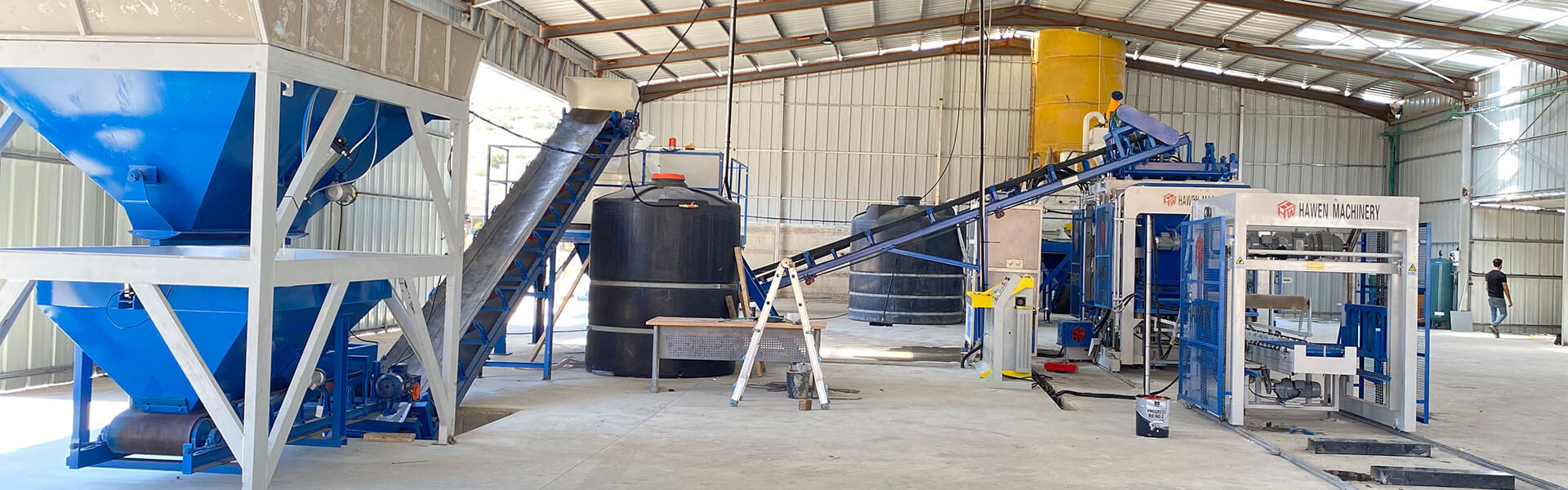
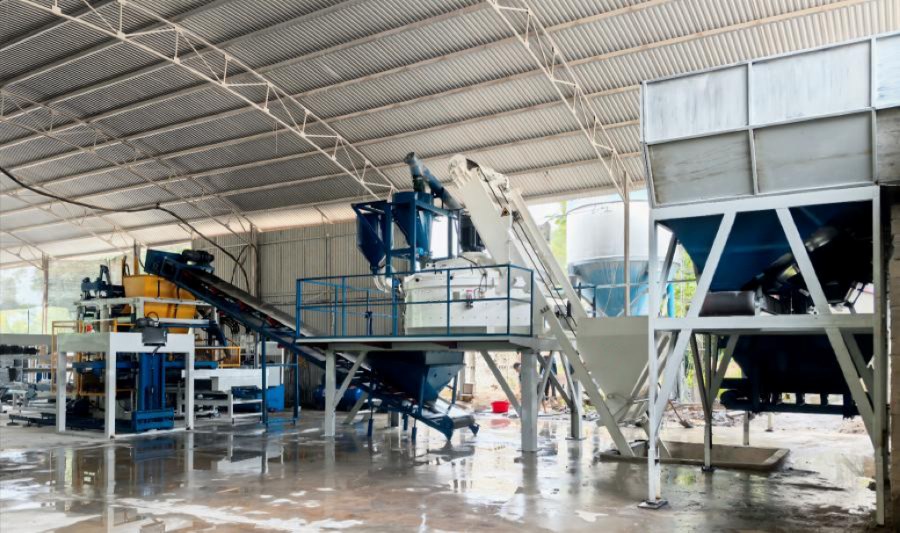
Line performance connects batching and mixing with forming, stacking, and downstream movement.
FAQ
Does a queue before the stacker prove that the stacker is undersized?
No. The queue identifies a restriction in the flow, but the cause may involve the stacker, its receiving stage, the selected configuration, or another required condition. Record the operating state before drawing a capacity conclusion.
Should the stacker be made faster whenever the forming machine waits?
Not without an appropriate review. Faster movement may not resolve a clearance or permission delay and may create other problems. Authorized personnel should identify the actual waiting condition and evaluate any proposed change.
Can one handling configuration serve hollow blocks and pavers?
That depends on the installed equipment and approved product arrangements. Confirm the applicable pallet, product, and stacking requirements with the supplier rather than assuming that previous operation of one product verifies another.
What information is most useful when reporting intermittent delays?
Provide identifiable event times, product information, selected configuration, operating state, messages, and the surrounding movement sequence. Separate what was observed from what is suspected, and retain relevant records for technical review.
Conclusion
An automatic block stacker should be assessed as part of the complete fresh-product handling route. Separate its own operating time from time spent waiting for incoming pallets, receiving space, clearance, or another required condition. Connect the observations with the actual product and pallet configuration.
Before changing settings or purchasing additional capacity, gather evidence that identifies where the restriction occurs. A useful improvement supports stable accepted output through forming, stacking, and movement toward curing, rather than merely making one machine appear faster.




 Tel: +86-13905968794
 Email: export@hwmachines.com
 MP/WhatsApp: +86-13905968794
 Manufacturer Address:Nanan,Quanzhou City,Fujian Province,China