A concrete block plant may have delivery tickets, batching reports, stock estimates, and production totals, yet still struggle to explain its actual cement consumption. The difficulty often begins when those records describe different periods, use different units, or include quantities that belong outside the comparison. Adding the figures together does not automatically create a reliable material balance.
Cement reconciliation compares the material available within a defined boundary with the recorded ways it left that boundary. It is a record-review process, not a shortcut for diagnosing a machine fault or proving that material has been wasted. A difference should first be treated as an item requiring explanation, supported by evidence.
This guide describes a practical workflow for connecting deliveries, cement inventory, batching records, and documented adjustments in a concrete block production line. It does not prescribe an acceptable discrepancy percentage or replace a qualified assessment of weighing equipment. The purpose is to make the comparison consistent enough that follow-up questions become useful.
Define the material-accounting boundary before comparing purchasing records with production reports.
Set One Cement Accounting Boundary and Time Cutoff
Choose the physical and administrative boundary first. A plant-wide comparison may include all cement storage and all relevant production routes. A silo-specific comparison may cover only one identified material source and its connected batching equipment. State which storage locations, transfers, production lines, and materials are included. Separate cement from other powders unless the review explicitly addresses them as distinct materials.
Use one reporting period with a clear opening and closing cutoff. Identify how a delivery, transfer, or batch occurring around the cutoff will be assigned. A truck that arrives before the period ends but unloads afterward can appear in purchasing and production records at different times. That timing difference needs a consistent treatment rather than an unexplained manual correction.
Normalize units before calculating a balance. Preserve the original recorded quantity and show the conversion used for the comparison. Check whether a report represents kilograms, tonnes, a target value, a measured batch value, or an estimated storage quantity. Similar-looking numbers can describe different things. A documented conversion is more useful than changing a spreadsheet cell without explaining its original basis.
Connect Delivery Quantities with Receiving Evidence
Assign a receiving reference to each included delivery. Link the supplier document, delivery date, material identity, receiving location, and quantity evidence used by the plant. Distinguish a purchase order quantity from a delivered quantity. The order describes an agreement; receiving evidence supports what the plant has recorded as arriving within the selected boundary.
Where weighing documents are used, retain the applicable gross, tare, and net information and the identity of the associated weighing record. The responsible receiving team should resolve missing or inconsistent entries through its established procedure. This article does not assume that every supplier ticket has the same evidential status or that a document automatically verifies the accuracy of the measurement behind it.
Record partial, interrupted, returned, or redirected deliveries explicitly. A truck may be assigned to more than one storage location, or a delivery may not enter the intended silo. If the purchasing ledger records the full amount while the reconciliation covers only one receiving location, the comparison can create an apparent shortage that is actually a boundary mismatch.
Keep receiving corrections traceable. If a delivery entry is amended, retain the reason, supporting evidence, responsible person, and affected reporting period. Avoid deleting the original entry and replacing it with an unexplained figure. A reconciliation becomes difficult to audit when the source record changes but the reviewer cannot see why the change was made.
Separate Recipe Demand from Recorded Batch Consumption
A recipe specifies the intended cement quantity for a defined batch arrangement. A batching record may contain a target, an indicated result, an accepted value, or several stages of a dosing sequence. Establish what each available field means before using it as consumption. A report labelled cement used is not sufficiently clear if nobody can explain how the value was generated.
Identify the recipe revision, batch reference, material source, and production route for the records included. Where the plant operates separate base-mix and face-mix arrangements, confirm whether both are included in the reporting boundary. The same question applies when cement is supplied to another activity outside the main block line. Missing a legitimate route can create a persistent apparent discrepancy.
Review how the reporting system handles aborted batches, manual additions, repeated dosing, trial production, and cleaning-related material removal. Do not assume that a normal production summary includes every exceptional event. Ask the responsible operator or controls specialist which records capture those events and how they should be included without counting the same quantity twice.
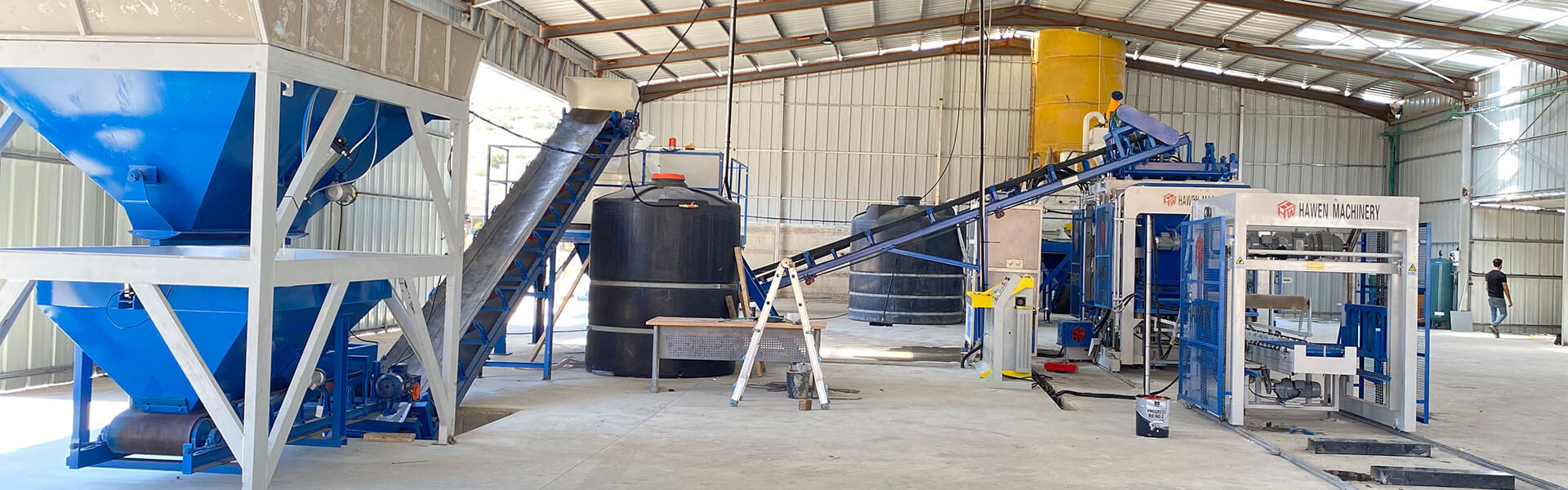
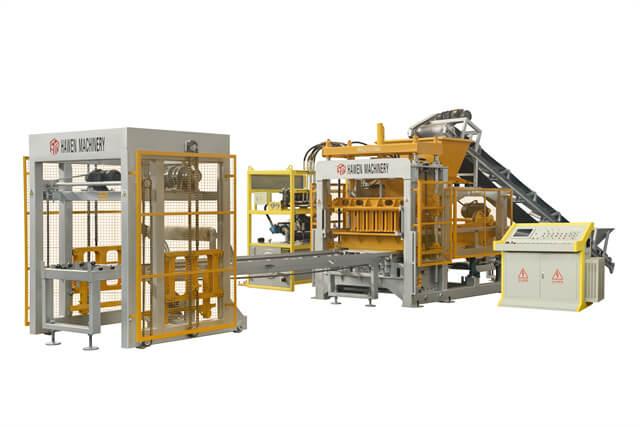
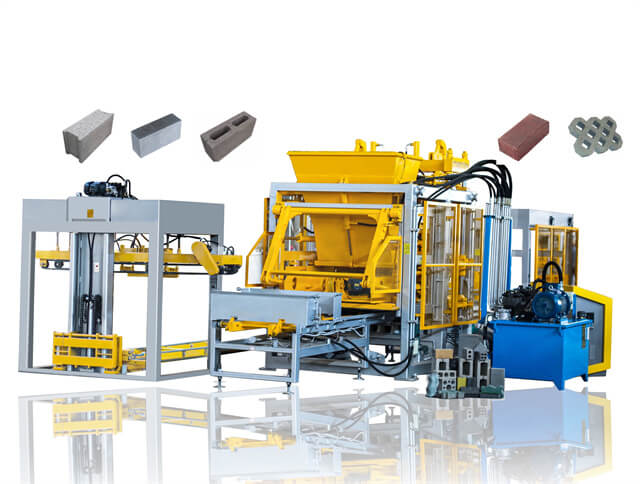
For an automatic concrete block production line, the useful comparison depends on the configured batching and material-transfer arrangement, not simply the forming machine's nominal output. Establish which records describe actual cement dosing and which describe products formed. They support different parts of the review and should not be substituted for one another.
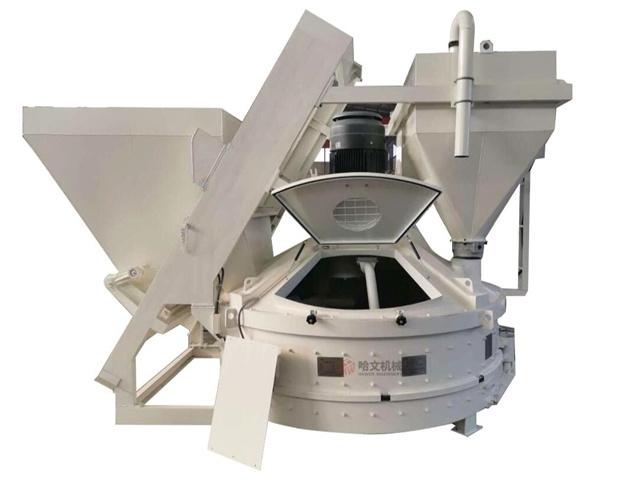
Batch consumption records need to match the actual mixing routes included in the comparison.
Review Opening and Closing Cement Inventory
Opening and closing inventory should refer to the same physical boundary and a documented assessment method. Record when each snapshot was taken, which storage locations were included, and whether production or deliveries continued around the assessment. An inventory figure captured at a different time from the batching cutoff can introduce a difference before any equipment problem is considered.
Distinguish a measured quantity from an estimate or an operational indication. A level indication, a purchasing balance, and a mass assessment are not automatically equivalent. Avoid assuming that a displayed storage percentage can be converted directly into a precise cement mass without reviewing the basis of that conversion. Keep the method and its limitations visible to the person reviewing the balance.
Consider material held between the selected storage boundary and the recorded consumption point. Depending on the installation, cement may remain within transfer or weighing equipment at the cutoff. The responsible plant team should decide how that material is treated consistently. The objective is not to invent a precise quantity but to avoid an unexplained change in treatment between periods.
Do not turn inventory assessment into an improvised inspection activity. Follow the plant's established safe procedures and use appropriately qualified personnel for equipment-related assessments. Reconciliation should work from approved records and methods. It does not require operators to open equipment, enter storage structures, or bypass protective systems to obtain a convenient stock figure.
Build a Reconciliation That Keeps Adjustments Visible
Use a balance structure that separates source quantities from explanations. A basic starting point is opening inventory plus eligible receipts and transfers in, less closing inventory and eligible transfers out. The resulting quantity represents inventory-derived outflow within the defined boundary. Compare it with recorded batching consumption and other separately documented outflows, using consistent units and cutoff rules.
Define the sign convention for the remaining difference. For example, state clearly whether a positive result means inventory-derived outflow exceeds the recorded outflow. The convention itself is less important than using it consistently. Without that definition, two reviewers can describe the same difference as opposite problems and pursue conflicting explanations.
Balance Item
Evidence Required
Common Review Question
Opening inventory
Dated quantity and assessment method
Does it match the opening cutoff and boundary?
Receipts
Delivery-linked receiving evidence
Was the material received in this period and location?
Transfers
Source, destination, quantity basis, and reference
Is the movement inside or outside the boundary?
Batch consumption
Defined report fields and identifiable batch records
Are targets being confused with recorded dosing?
Other outflows
Documented removal, return, or exceptional-use records
Has the quantity already been counted elsewhere?
Closing inventory
Closing snapshot and declared limitations
Is the method consistent with the opening assessment?
Keep adjustments separate from raw records. An adjustment should have a reason, evidence, owner, and approval status. Do not enter a balancing quantity merely to make the difference disappear. If an estimate is used temporarily, label it as such and retain the unresolved item until the responsible reviewer accepts the supporting basis.
Confirm the meaning of control-system report fields before treating them as material-consumption evidence.
Investigate Differences Without Guessing the Cause
Begin with record completeness, unit conversions, cutoff timing, and boundary consistency. Check for duplicated deliveries, omitted transfer routes, unmatched corrections, and exceptional batches missing from routine summaries. These checks do not prove that equipment is accurate, but they prevent a bookkeeping mismatch from being presented prematurely as a mechanical or process fault.
If the difference remains unexplained, direct the follow-up toward identifiable questions. A responsible specialist may need to review the weighing records, reporting configuration, maintenance history, or inventory-assessment method. Avoid responding to a reconciliation difference by changing calibration values or production recipes without an appropriate technical investigation and authorization.
Track the pattern across comparable reporting periods. Preserve the same definitions when comparing results. A changing assessment method or reporting boundary can make an apparent improvement meaningless. Record which open questions were resolved, which remained uncertain, and whether a later correction affects an earlier period.
Use finished-product information as supporting context, not as an automatic replacement for material records. Product quantities, rejected units, and recipe revisions can help explain planned cement demand. However, output alone cannot establish actual cement mass consumed. Keep demand analysis and physical material reconciliation connected but distinct so that neither is asked to prove more than its evidence supports.
Production output supports demand analysis, but it does not replace delivery, inventory, and batching records.
FAQ
Can purchase invoices be used as actual cement consumption?
No. Invoices describe commercial transactions, which may not align with receiving dates, storage movements, or production use. Reconciliation needs the applicable receipt evidence, inventory boundary, and reporting cutoff in addition to purchasing information.
Does a difference prove that the batching scale is inaccurate?
No. Timing differences, missing records, inventory estimates, unit errors, and unrecorded movements can also affect the result. Review those possibilities and arrange an appropriate technical assessment where the remaining evidence warrants it.
Should rejected blocks be deducted from cement consumption?
Not automatically. Cement used to produce rejected units may already be included in the batching records. Rejects matter when evaluating product yield and planned demand, but subtracting them from recorded consumption can create a second accounting error.
How frequently should a plant reconcile cement?
Select a workable reporting interval based on record availability, production volume, delivery patterns, and the reliability of inventory assessment. Use a consistent method and define what triggers an additional review. There is no single interval that suits every installation.
Conclusion
Reliable cement reconciliation begins with compatible records rather than a complicated spreadsheet. Define the boundary, cutoff, units, and report meanings before comparing deliveries with batch consumption. Keep opening and closing inventory methods explicit, account for legitimate movements, and preserve the evidence behind every adjustment.
When a difference remains, treat it as a structured investigation item rather than immediate proof of waste or equipment failure. A useful reconciliation explains what the records establish, what they cannot establish, and which responsible person will resolve the remaining uncertainty.








 Tel: +86-13905968794
 Email: export@hwmachines.com
 MP/WhatsApp: +86-13905968794
 Manufacturer Address:Nanan,Quanzhou City,Fujian Province,China