Electrical requirements should be confirmed before a concrete block machine is ordered, not inferred from a catalogue power figure after the equipment arrives. A plant combines forming, mixing, conveying and other functions, and its installation needs a clear agreement between the equipment supplier and the buyer's qualified electrical team.
This article is a procurement checklist, not an electrical design or installation procedure. It helps buyers gather the information needed for a project-specific review. Final design, protection, installation and verification belong to qualified personnel working from the supplied documents and applicable local requirements.
Describe the available site supply with verified information

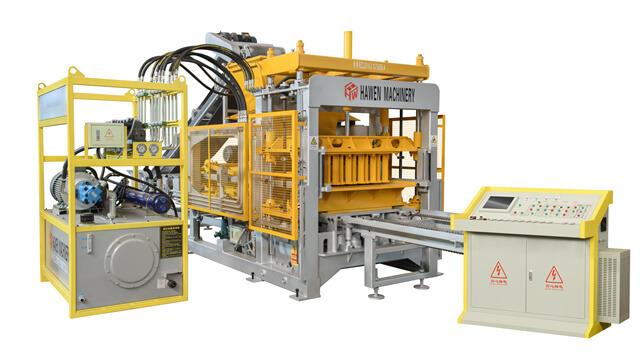
A block-machine reference: confirm electrical requirements for the actual supplied configuration.
Provide the supplier with the site's available voltage, frequency, phase arrangement and other relevant supply information verified by the buyer's electrical team. Include whether a new connection, transformer or generator is under consideration. Avoid assuming that a country name alone defines the actual industrial supply at a particular site.
If the site supply is still being planned, identify the uncertainty early. Ask the supplier which inputs are needed to finalize the proposed equipment configuration and when they must be confirmed. An estimate used for early budgeting should remain distinguishable from the information approved for manufacturing.
Distinguish a forming-machine rating from the complete plant load

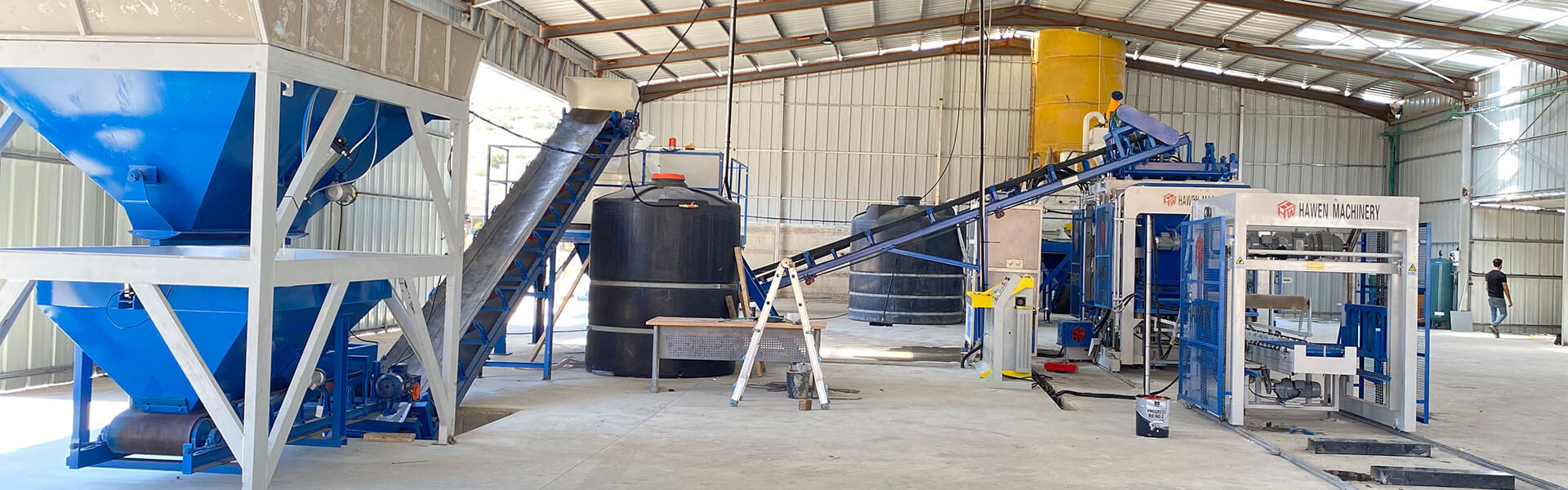
The equipment scope of a complete line extends beyond the main forming machine; obtain a project-specific load list.
Hawen's public product descriptions include power information for individual forming-machine configurations, while its catalogue also lists mixers, batching equipment and other assemblies. This makes the scope of a quoted figure important: an individual machine rating should not automatically be treated as the electrical requirement of the whole plant.
Request an equipment load list for the actual proposed supply. Identify the included assemblies and any buyer-supplied equipment that must be considered in the site design. Rated power, operating demand and energy consumption describe different questions; a single number should not be used interchangeably for all three. The qualified project team should determine the design basis using the relevant technical data.
| Information to confirm | Why the buyer needs it |
|---|
| Site supply characteristics | Establishes the actual input conditions for equipment review. |
| Equipment load list | Clarifies which plant assemblies are represented by the supplied data. |
| Installation scope boundary | Assigns responsibility for connections, site works and verification. |
| Approved drawing revision | Keeps procurement, manufacture and installation aligned. |
Agree where supplier wiring ends and site installation begins
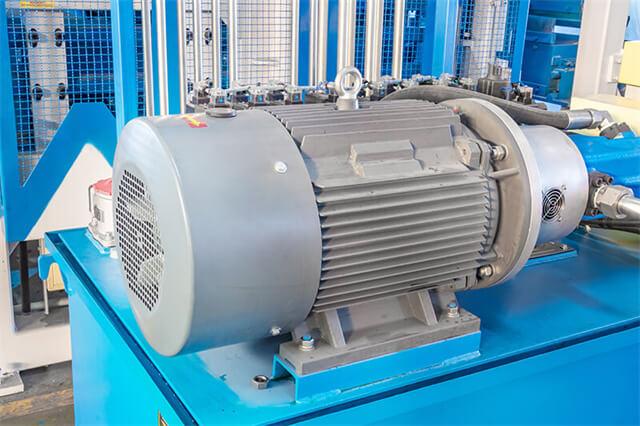
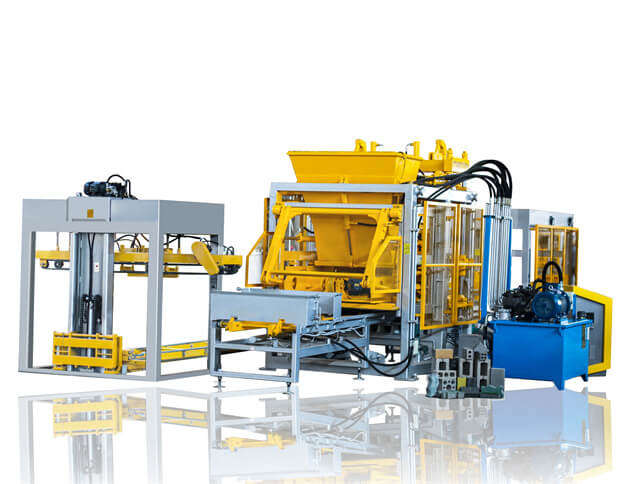
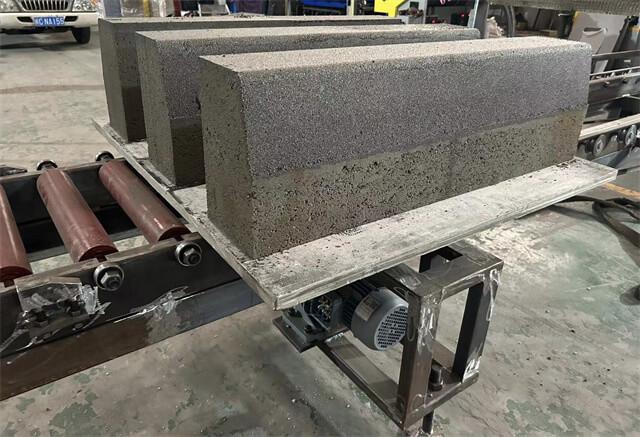
The hydraulic system is one equipment assembly to include in the scope review. This equipment image is not an electrical installation diagram.
The proposal should identify the electrical supply boundary. Clarify the control equipment supplied, the connections included within the package and the site work assigned to the buyer. Ask who provides the information needed for cable routes, foundations and equipment positions, without turning preliminary layout information into an approved installation design.
Include communication between equipment packages in the interface review. Where the mixer, conveyors or other assemblies interact with the forming machine, establish who coordinates the controls and documents their connections. This is especially important when packages come from different suppliers or existing equipment will be retained.
A practical quotation-review observation is that the phrase electrical included is incomplete unless its boundary is defined. Trace the proposed installation through the drawings and scope list. Missing ownership at a connection can delay commissioning even when every major machine has arrived.
Manage electrical information changes before manufacture
Confirm the required configuration in a controlled document set. If the site supply or equipment scope changes, notify the supplier and ask for the implications to be reviewed. Do not assume a change can be accommodated through a simple setting or a local component substitution.
Give the buyer's electrical team the opportunity to review relevant documents before site work proceeds. Resolve conflicting equipment names, drawing revisions or package boundaries in writing. This supports a coordinated installation rather than asking technicians to reconstruct the intended design on arrival.
Prepare electrical documents for commissioning and later support
Agree the documents and identification information to be handed over with the equipment. Depending on the supplied scope, this can include the relevant diagrams, component references, manuals and revision records. Confirm what the buyer may need to access during maintenance and how approved changes will be documented.
Installation verification and commissioning should follow the project documents and applicable requirements. Record unresolved issues and assign responsibility before routine production begins. Keep the final document set available to authorized personnel so later troubleshooting uses the installed configuration rather than an outdated quotation.
FAQ
Can a machine's listed motor power size the complete site supply? Not by itself. The project team needs the full equipment scope and relevant operating data.
Is the destination country enough to confirm voltage and frequency? No. Verify the actual available site supply and communicate it to the equipment supplier.
Who should determine electrical protection and installation details? Qualified personnel using the project documents, manufacturer information and applicable local requirements.
Conclusion
Confirm electrical requirements through verified site data, a defined equipment scope and clear installation responsibilities. Buyers should obtain the relevant documents, resolve changes before manufacture and coordinate site verification with qualified personnel. This provides a sound basis for commissioning and future technical support.





 Tel: +86-13905968794
 Email: export@hwmachines.com
 MP/WhatsApp: +86-13905968794
 Manufacturer Address:Nanan,Quanzhou City,Fujian Province,China