Concrete blocks that look almost identical can be ordered for different roles. A project may call for loadbearing units, nonloadbearing partitions, or other masonry products with additional density, finish, fire, thermal, or acoustic requirements. ASTM C90 and ASTM C129 address different product scopes, so a purchase order that simply says “concrete block” may leave important acceptance details unresolved.
The practical distinction is not that one standard is a machine setting and the other is a wall design. ASTM C90-24a covers dry-cast hollow and solid loadbearing concrete masonry units that may also be used in nonloadbearing applications. ASTM C129-26 covers dry-cast hollow and solid nonloadbearing units, principally for partitions, with conditional use in protected above-grade exterior walls. This guide shows how a buyer, designer, and manufacturer can keep the product designation, project requirement, and production record aligned.
The mold creates the unit geometry, but the project specification defines required product properties.
1. Separate the unit specification from the wall design
ASTM C90 and C129 are product specifications for concrete masonry units. They do not replace structural design, project drawings, building codes, or the engineer's decisions about a wall. A block's standard designation is one part of the submittal. The project team still needs to state where the unit will be used, what wall system is designed, and which edition or local adoption governs. A product label cannot by itself establish that an assembly is suitable for every exposure or load.
The same physical unit may be described casually as a cement block, concrete block, hollow block, or CMU. Those names are not an acceptance basis. Ask for the full product designation, intended function, density class where specified, nominal and actual dimensions, declared performance, and evidence of compliance. If the order uses a regional specification instead of ASTM, identify it explicitly. A manufacturer should not guess a governing standard from the destination country or the unit's appearance.
2. What ASTM C90 covers
ASTM C90-24a is titled Standard Specification for Dry-Cast Loadbearing Concrete Masonry Units. Its scope includes hollow and solid units made by machine from hydraulic cement, water, and mineral aggregates, with or without other materials. ASTM's scope notes that units meeting this specification are suitable for loadbearing and nonloadbearing applications. The current edition also organizes units into normal-weight, medium-weight, and lightweight classifications. Buyers should consult the full standard and project documents for the actual requirements that apply.
Do not assume that the word loadbearing means C90 units can be used without structural review, or that a particular block shape automatically qualifies. The designer defines the wall and the manufacturer supplies units against a stated performance basis. Special properties such as surface texture, color, fire resistance, thermal performance, or acoustics should be called out separately when they are required. These distinctions help prevent a catalog photo or informal product nickname from substituting for an approved submittal.
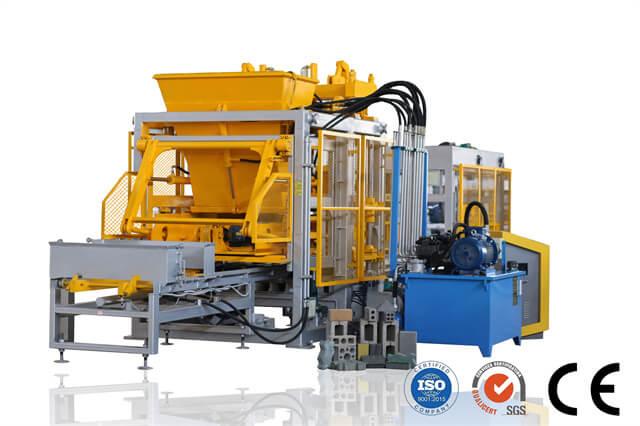
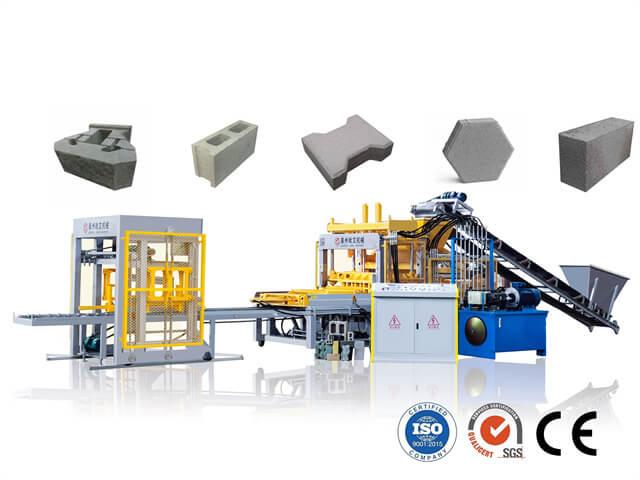
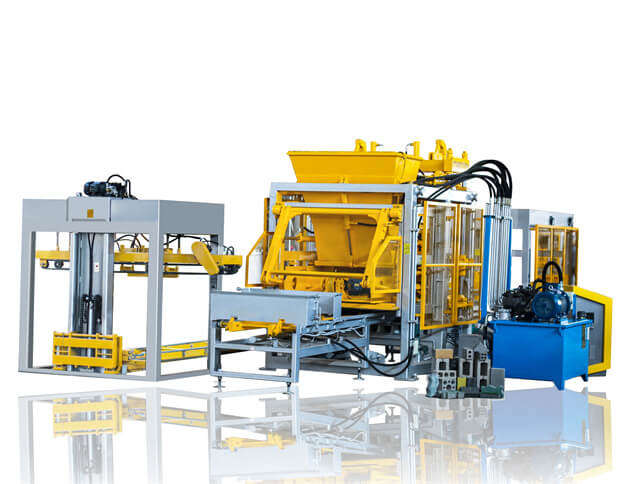
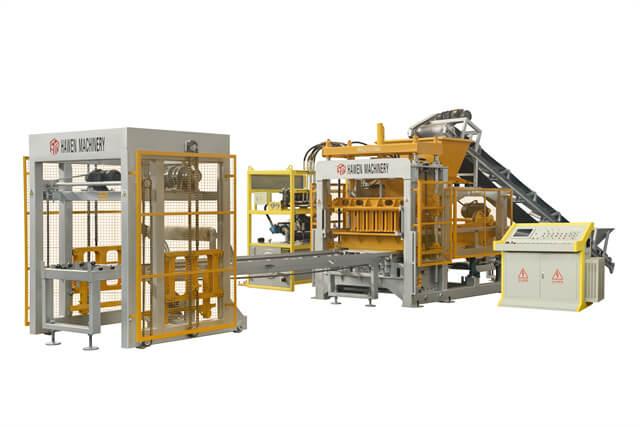
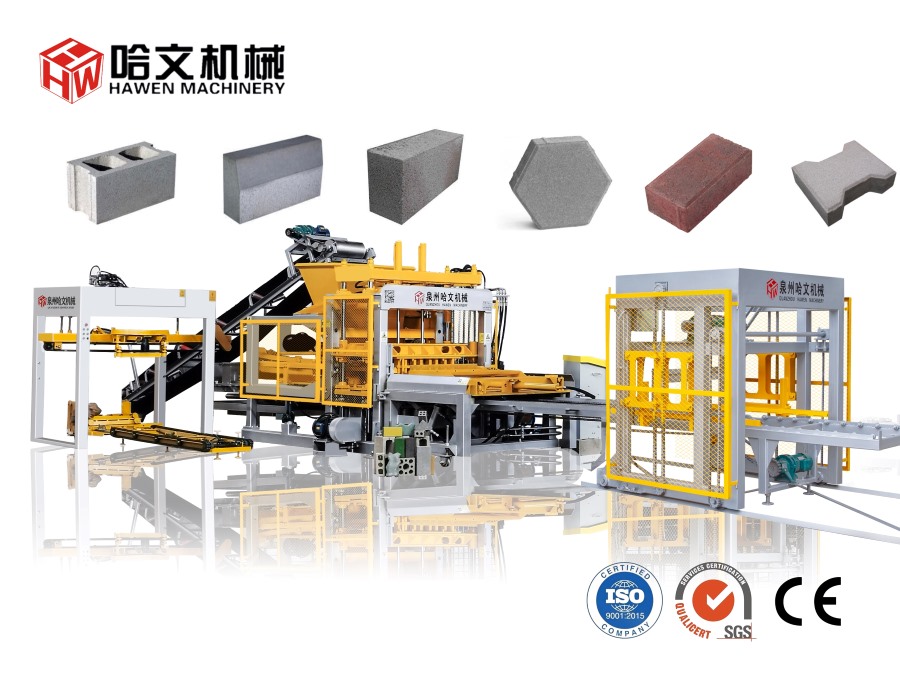
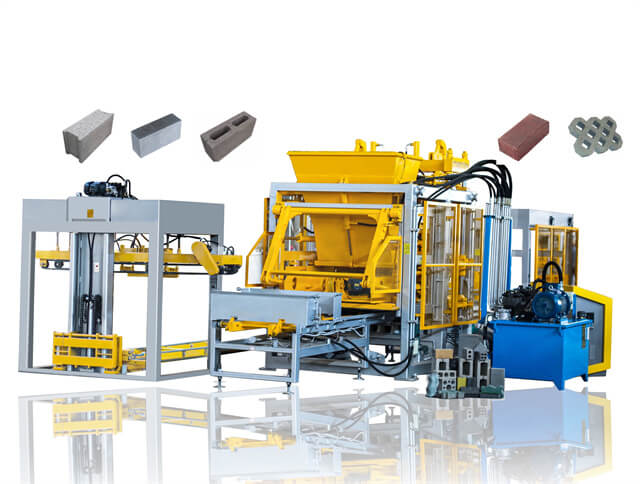
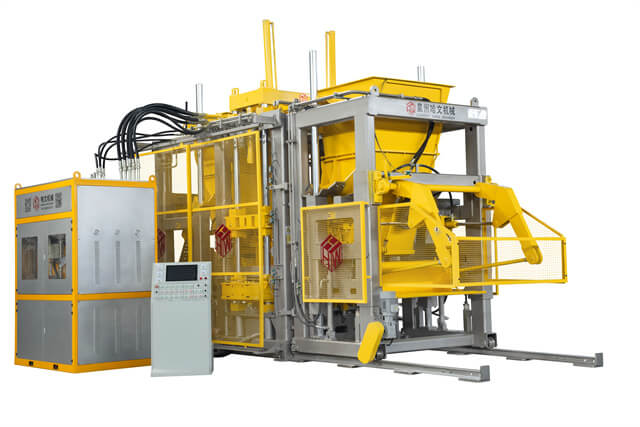
A block making machine forms the specified unit; it does not determine which standard the project requires.
3. What ASTM C129 covers
ASTM C129-26 is titled Standard Specification for Dry-Cast Nonloadbearing Concrete Masonry Units. It covers hollow and solid units intended for nonloadbearing partitions. The standard also describes a conditional possibility for above-grade exterior walls when they are nonloadbearing and effectively protected from weather. That qualification matters: a product label should not be read as a broad approval for exposed exterior use or for structural walls. Check the project conditions and current standard text before making that decision.
C129 units can share familiar shapes and surface appearances with other masonry units. A worker looking at the pallet may not be able to tell which product specification applies. Keep product designation visible on tags, invoices, and inspection records. If the project documents require another class of unit, resolve the mismatch before dispatch rather than expecting a site crew to infer performance from color, weight, or the number of cores.
4. Compare the scopes without oversimplifying
A frequent shortcut is to describe C90 as “structural” and C129 as “nonstructural,” then stop there. It is a useful starting distinction, but it can hide important conditions. C90-compliant units may be used in either loadbearing or nonloadbearing applications when the design allows. C129 is specifically for nonloadbearing units and its exterior use is limited by stated protection conditions. Neither designation replaces the required wall design, code review, or exposure assessment.
Another shortcut is to compare one isolated strength number from a supplier sheet and treat it as a complete standard comparison. The test method, specimen conditioning, density class, unit configuration, and edition all matter. When a specification asks for compressive strength, absorption, dimensional tolerances, or a special finish, confirm the requirement and method from the applicable edition. Do not mix values copied from older summaries with current contract language. For disputes, the signed project specification and official standard take precedence over generic web tables.
Product drawings and acceptance records should stay connected from order review to finished units.
5. Write the purchase specification so the supplier can respond
A clear request names the governing standard and edition, unit category, intended application, unit shape, nominal size, actual dimensions if controlled, density classification if specified, finish, color, and any project-specific properties. It identifies which documentation is required and how a sample or production lot will be accepted. Ask the supplier to flag any requirement that is outside its normal range instead of silently substituting a similar catalog product. This reduces ambiguity before the product drawing and mold are finalized.
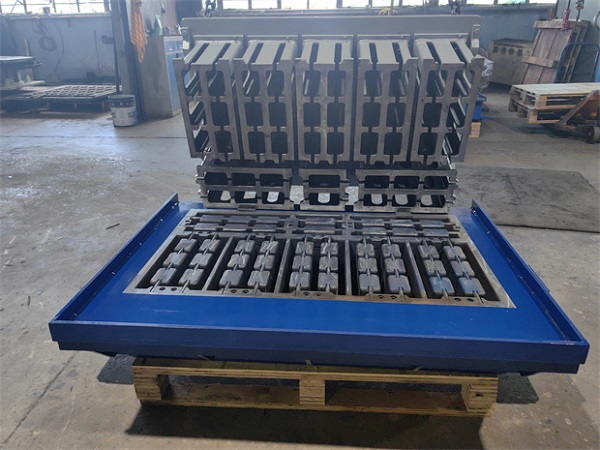
For custom units, attach a dimensioned drawing and identify bearing faces, cores, webs, ends, and special details. The concrete block mold should be designed from the approved product geometry, while a hollow-block mold must preserve the specified core and web arrangement. Do not let a machine quotation set the product specification. The buyer, designer, and producer should agree on the unit first, then confirm that tooling and production capacity can make it consistently.
6. Connect sampling and test records to the lot
A certificate or test report is useful only when it identifies the product and test basis. Confirm the sample lot, date, unit configuration, laboratory, method, conditioning, and results required by the contract. CMHA's sampling and testing guidance emphasizes representative unit selection; convenient samples from one easy-to-reach pallet may not describe a full production lot. Agree on who selects specimens, how they are marked, and where records are retained before manufacturing begins.
ASTM C140/C140M is a commonly referenced method for sampling and testing concrete masonry units, while other properties may require their own methods. Use the edition cited by the governing documents and laboratory. Do not treat a factory visual check as a substitute for a specified laboratory result. If a test fails, preserve the specimen identity and trace the associated batch, mold, production date, curing history, and dispatch record. That chain of evidence allows the team to investigate a real deviation instead of debating an anonymous sample.
7. What the standard changes in manufacturing
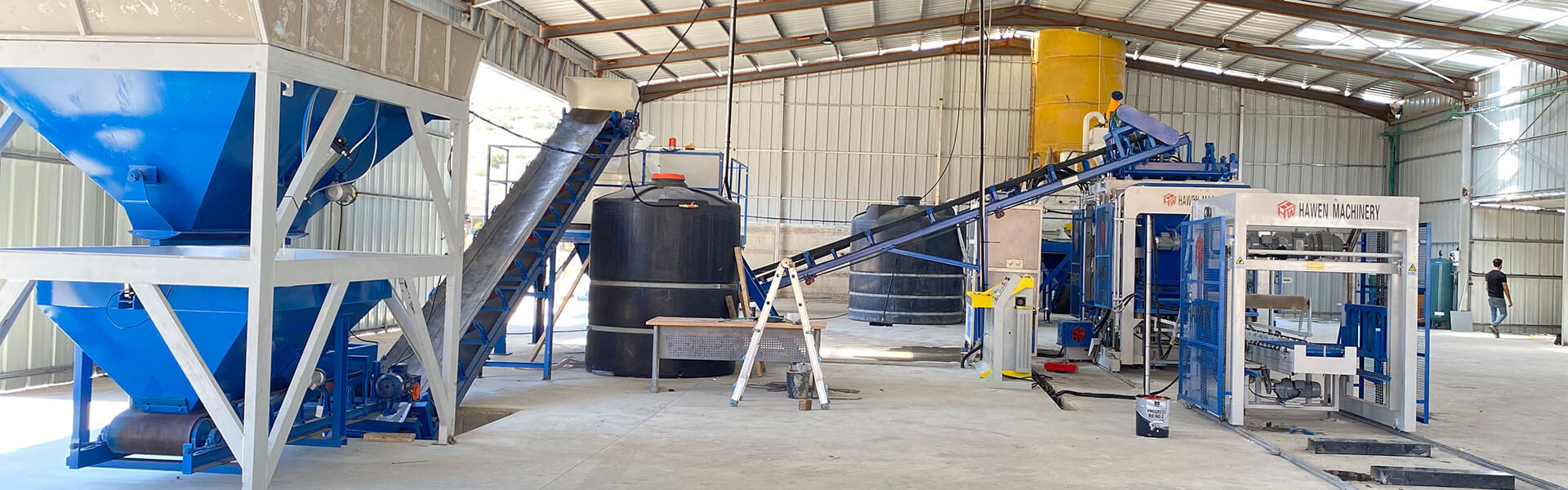
The product standard does not prescribe one machine model, production capacity, or factory layout. It does set the performance and dimensional basis that the producer must meet for the ordered unit. A block making machine, mold, pallet, mixture, compaction cycle, curing route, and inspection plan must therefore be coordinated around the released product drawing and agreed requirements. A change from one unit family to another may require tooling and process trials even when the press itself remains unchanged.
Hawen Machinery designs molds compatible with leading platforms including Masa, Hess, Zenith, Poyatos, Besser, Tiger, Columbia, Quadra, and Omag. Heat treatment supports wear resistance, with hardness tested at HRC 59-61. For a production proposal, Hawen can compare a QT10 solid block machine, QT12 hollow-block line, QT15 automatic machine, or QT8 brick machine with the specified unit and plant workflow. Confirm current product drawings and testing responsibilities before ordering.
8. Prevent avoidable specification and production errors
The most common documentation errors are omitting the edition, confusing nominal and actual dimensions, leaving density or finish unmentioned, and assuming that the same product name means the same acceptance criteria in every country. A second group of errors happens after approval: the wrong mold revision is installed, a replacement lot loses its identification, or the laboratory report does not match the units delivered. Add a document check at order review, mold release, first production, and dispatch so each stage confirms the same reference.
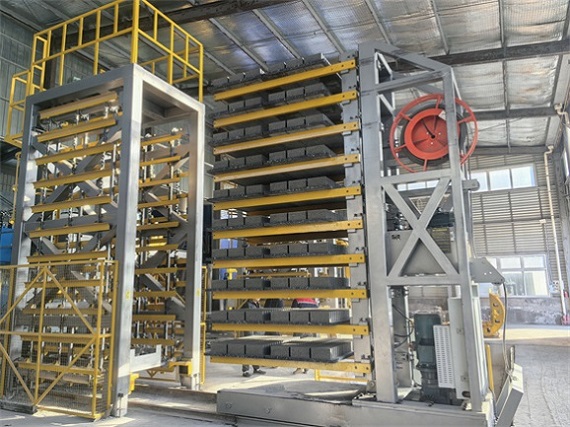
Hawen can connect the specified product to a batching system, concrete mixer, production pallets, and pallet supply system as part of a line review. These links are equipment options, not compliance certificates. For U.S. projects, verify the current ASTM edition and project-adopted requirements; for other markets, follow the applicable national standard and designer's specification. The producer's responsibility is to make and document the unit that was ordered, not to determine the structural use of the completed wall.
Action checklist
Name the exact product specification and edition in the inquiry, purchase order, and submittal.
State intended use, unit shape, dimensions, density class, finish, color, and special properties separately.
Resolve differences between drawings, local code, and supplier documents before approving the mold.
Agree on sampling, test methods, lot identification, acceptance criteria, and records before production.
Keep product compliance separate from wall design and machine capability claims.
A well-specified block is easier to manufacture, test, deliver, and use correctly. When the standard, project drawing, mold, and inspection record all describe the same unit, the factory can focus on repeatability instead of interpretation. That small discipline protects more than a purchase order: it gives designers, producers, and builders a common language for turning concrete into dependable masonry.
FAQ
What is the main difference between ASTM C90 and C129? C90 covers dry-cast loadbearing concrete masonry units that may also be used in nonloadbearing applications. C129 covers dry-cast nonloadbearing units, principally for partitions.
Can an ASTM C90 block be used in a nonloadbearing wall? ASTM's scope states that C90 units are suitable for loadbearing and nonloadbearing applications, subject to the project design and applicable requirements.
Can an ASTM C129 unit be used outside? The current C129 scope allows conditional use in nonloadbearing above-grade exterior walls when effectively protected from weather. Confirm the full standard and project conditions.
Does ASTM C90 specify a block machine model? No. It is a product specification. The manufacturer selects and configures equipment to make the specified unit and meet its acceptance requirements.
What should a concrete block purchase order include? Include the standard and edition, intended use, product shape, dimensions, density or finish requirements, special properties, test evidence, and acceptance method.
Are nominal and actual block dimensions the same? Not necessarily. State which dimensions are being specified and use the project drawings and applicable standard to confirm permitted tolerances.
Which test method is used for concrete masonry units? ASTM C140/C140M is commonly used for sampling and testing CMUs in ASTM-based projects. Confirm the current edition and any additional property-specific methods.






 Tel: +86-13905968794
 Email: export@hwmachines.com
 MP/WhatsApp: +86-13905968794
 Manufacturer Address:Nanan,Quanzhou City,Fujian Province,China