A complaint about chipped pavers, uneven block height, or a difference in surface appearance becomes much easier to investigate when the factory can identify the affected production. Without that connection, a supervisor may inspect the current machine while the reported products came from another mould, a different aggregate delivery, or a previous curing arrangement. The investigation then starts with assumptions rather than a defined group of products.
Batch traceability connects incoming materials, production conditions, inspection results, curing movements, and customer deliveries. It does not prove why a defect occurred, and it cannot replace product testing. Its purpose is to establish which products share a production history and which records should be reviewed. A useful system should work during normal factory activity, not only when an office employee has time to reconstruct events.
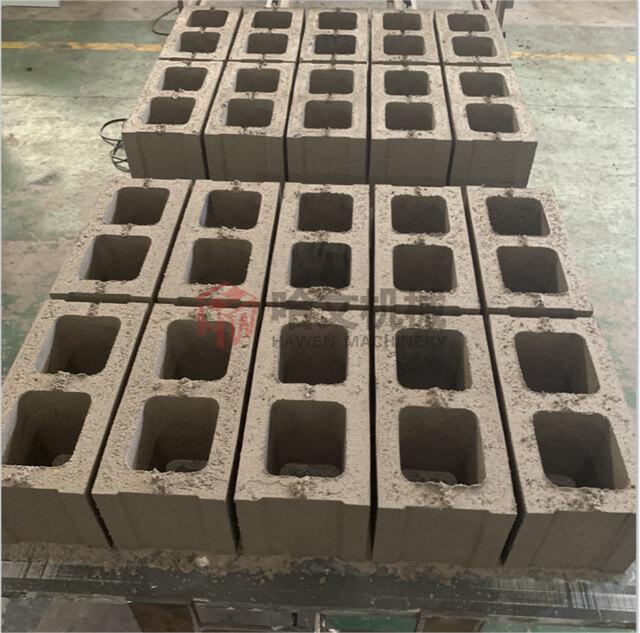
For a plant producing hollow blocks, solid blocks, interlocking pavers, and kerbstones, the practical starting point is a clear lot definition and a reliable way to preserve that identity. The following approach focuses on records that a concrete block factory can actually maintain. It avoids requiring individual serial numbers on every unit or assuming that the production line already includes a complete tracking system.
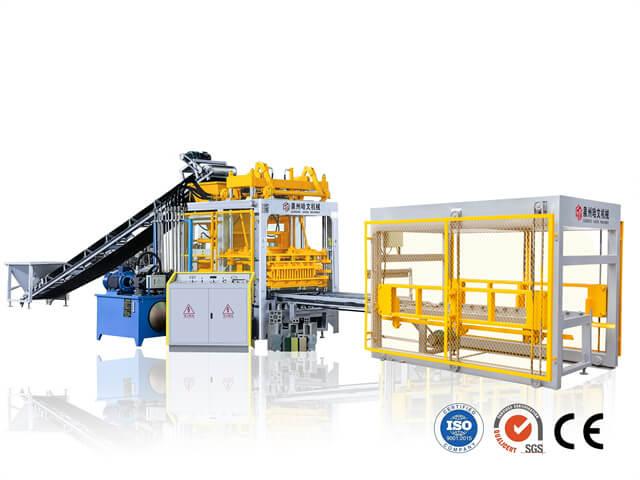
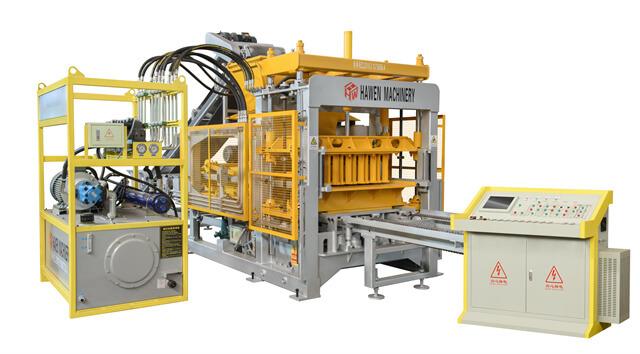
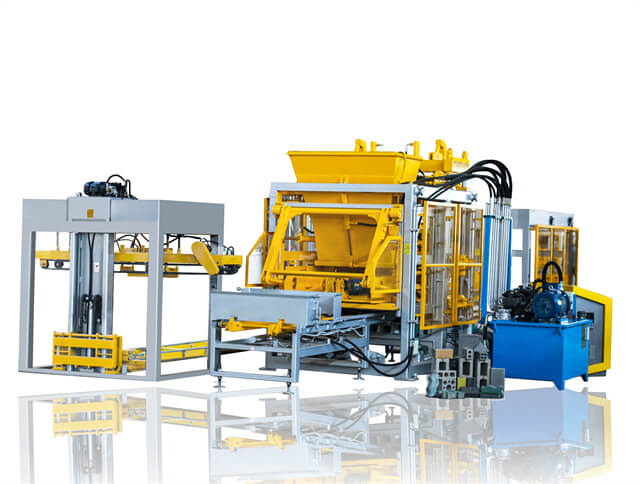
A block making machine is one stage in the production history; lot identity also needs to follow mixing, curing, handling, and dispatch.
Define Batch Boundaries for Blocks and Pavers
A batch can mean one mixer discharge, a defined period of forming, or a group of products released under the same inspection decision. Those meanings should not be used interchangeably. Define a mixer batch as a material event and a product lot as an identifiable quantity of finished production. A product lot may include several mixer batches, provided the factory records the relationship and the conditions remain within its approved process.
Choose boundaries that operators can recognize. A new product, mould change, recipe change, significant material-source change, or extended interruption may justify starting a new lot. The quality plan should specify the actual rule. Avoid treating an entire day as one lot if the factory regularly changes products and materials during that day. Equally, do not create dozens of identifiers that nobody can reliably attach to physical products.
Use an identifier that is unique within the factory and does not depend on an operator remembering a sequence. A date, line reference, and sequence number can form a practical structure. Keep the format understandable to batching, forming, yard, inspection, and dispatch teams. Decide who creates the identifier, when it becomes active, and how a mistaken entry is corrected without erasing the original production history.
Link Aggregate Deliveries and Mixer Records
Record the material sources used for each lot at a level supported by receiving and storage controls. Useful references include aggregate supplier and delivery identity, stockpile or storage-bin location, cement delivery or silo assignment, pigment identity where used, and the approved mix code. A supplier name alone may be insufficient if several deliveries from that supplier have different moisture conditions or were stored in separate areas.
Do not claim more precision than the plant can demonstrate. If a new cement delivery enters a silo that still contains older material, the records may establish a transition period rather than an exact delivery assignment for each block. Similarly, aggregates in a shared stockpile can overlap. Note these limitations. Traceability is more credible when uncertainty is visible than when a record suggests an exact material link that never existed.
At the mixer, preserve batch timing, the active recipe, and controlled adjustments relevant to the product. Record measured aggregate moisture or the reference to that check if the plant uses it for water correction. Include unusual waiting time or a mixing interruption when it affects the batch. The forming operator should be able to connect the material transfer with the active product lot, even if the system requires a simple manual time-based record.
Record Mould Identity and Forming Settings
Assign each mould an identity that stays with it throughout storage, installation, repair, and production. The record should distinguish the mould assembly from a general product description. Two moulds may produce the same nominal block size while having different service histories. Where a tamper head or replaceable component has a separate reference, connect that reference to the installed assembly according to the factory's maintenance procedure.
Keep the approved forming recipe or setup reference with the lot. Record authorized departures from that reference and the time when each departure began. Depending on the equipment, relevant conditions may include feeding sequence, vibration settings, product height controls, or the compaction sequence. Copy the terminology and units used by the actual machine. Do not substitute a generic number or treat every displayed value as a required quality record.
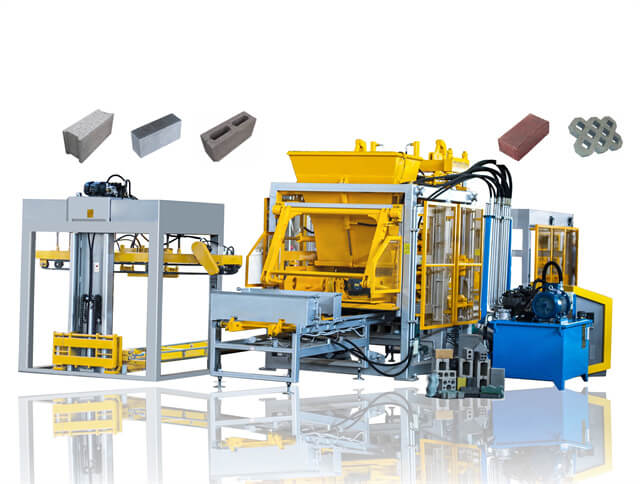
When reviewing an automatic concrete block and paver production line, buyers should ask which production information can be retained, exported, or recorded manually on the supplied configuration. Automatic operation does not by itself guarantee batch traceability. The quotation and commissioning discussion should distinguish the machine's control functions from any separate reporting, label-printing, or factory management functions.
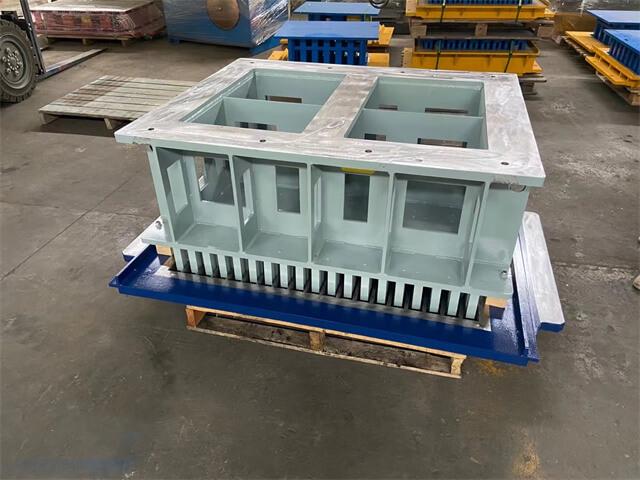
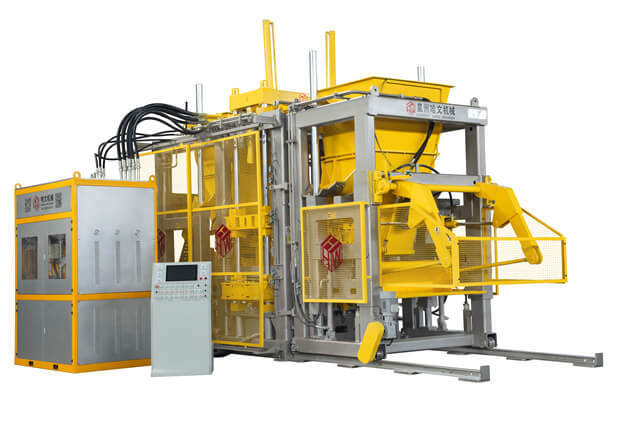
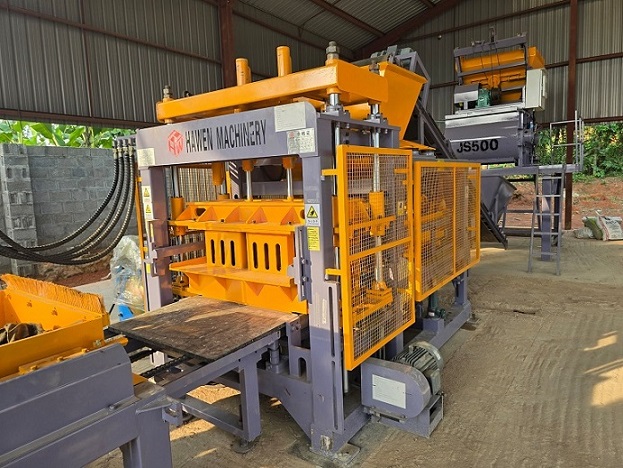
Mould identification connects a product lot with the tooling installed during that production run.
Keep Lot Identity Through Curing and Cubing
A well-recorded forming run can lose its identity in the curing yard. Green products may be moved between racks, placed in temporary positions, or combined after inspection. Use a location record that follows the physical movement: a rack reference, curing area, row, stack position, or another arrangement suitable for the plant. The identifier must remain readable under the actual conditions, including moisture, dust, and repeated handling.
The pallet itself is not always the best permanent lot identifier because pallets circulate. If pallet numbers are used, record when their products leave the pallet and how the lot identity transfers to the next handling stage. If the factory relies on rack labels, define how the label moves when a rack is unloaded or partially emptied. Do not reuse an active location label before the previous production has been reconciled.
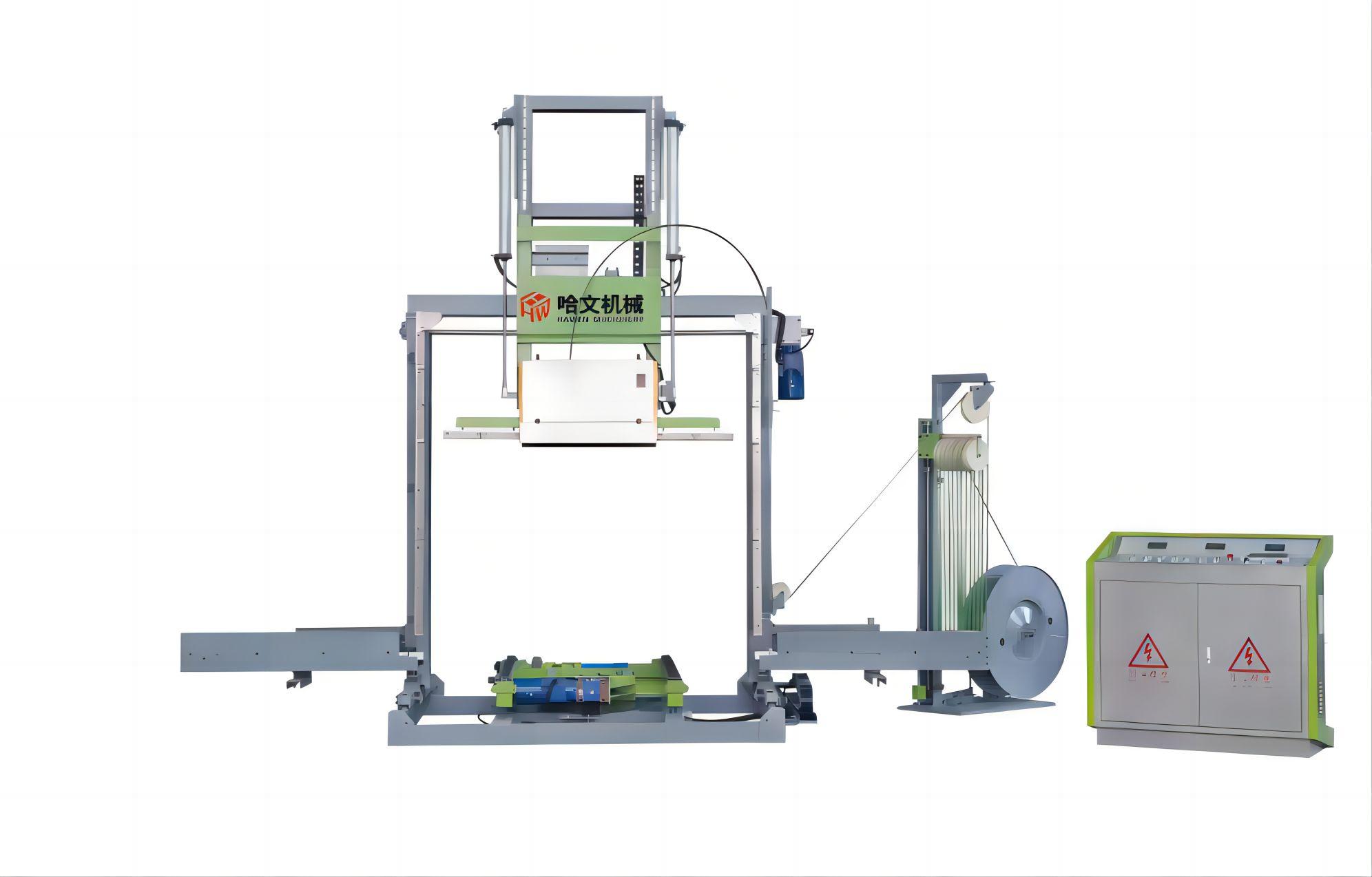
Cubing and packaging can combine products from several pallets. Preserve the connection between the outgoing cube or package and its source lot. If mixing lots is permitted, record all source lots instead of assigning the package to whichever lot was handled last. Where appearance-sensitive products are shipped, the handling plan may also need to preserve the agreed grouping for color or texture consistency.
Connect Dispatch Labels to Inspection Samples
Dispatch is the final connection between production and a customer report. A delivery document should reference the shipped product and the lot or package identifiers used in the yard. Record partial loads and split deliveries consistently. If one customer receives several lots, retain that detail so a later complaint can be narrowed to the relevant shipment rather than treating every delivery as one production event.
Inspection samples should use the same lot references as the physical products. Record the sampling time, sample location, test or inspection method, and result status required by the quality plan. A passing sample does not prove that every unit in a lot is identical, but a properly identified sample provides more useful evidence than a test result with only a date and a product name.
From a dispatch-review perspective, a recurring weakness is the gap between clear factory paperwork and an unlabelled load. The useful check is physical: select one outgoing package, read its identifier, and ask the team to retrieve the source lot and inspection record. Repeat the exercise from a delivery note back to the yard record. These checks reveal whether the process works without relying on one experienced employee's memory.
| Record | Minimum practical link | Limitation to make visible |
|---|
| Product lot | Unique identifier, product, quantity, and production period | Record the reason for any lot split or merge. |
| Materials and mixer | Recipe, source references, batch time, and recorded adjustments | Shared silos and stockpiles may create transition periods. |
| Mould and machine | Installed mould ID and approved setup reference | A product name alone does not identify the tooling. |
| Curing and cubing | Location movements and source lots for each package | Relocation and mixed-lot packages must remain traceable. |
| Inspection and dispatch | Sample references, release status, package IDs, and delivery reference | Do not confuse a sample result with proof for every unit. |
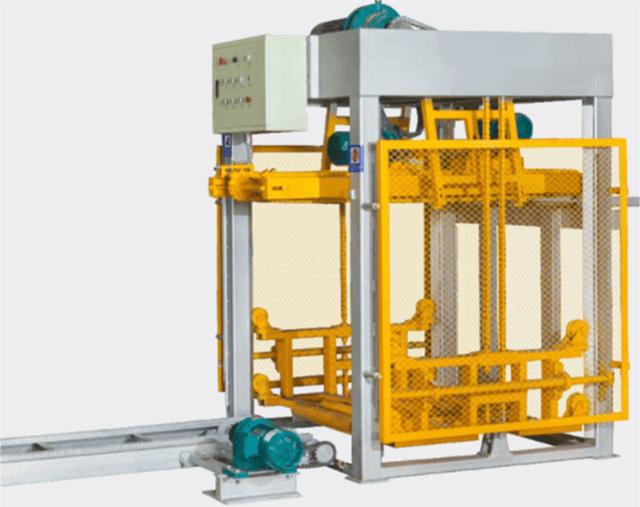
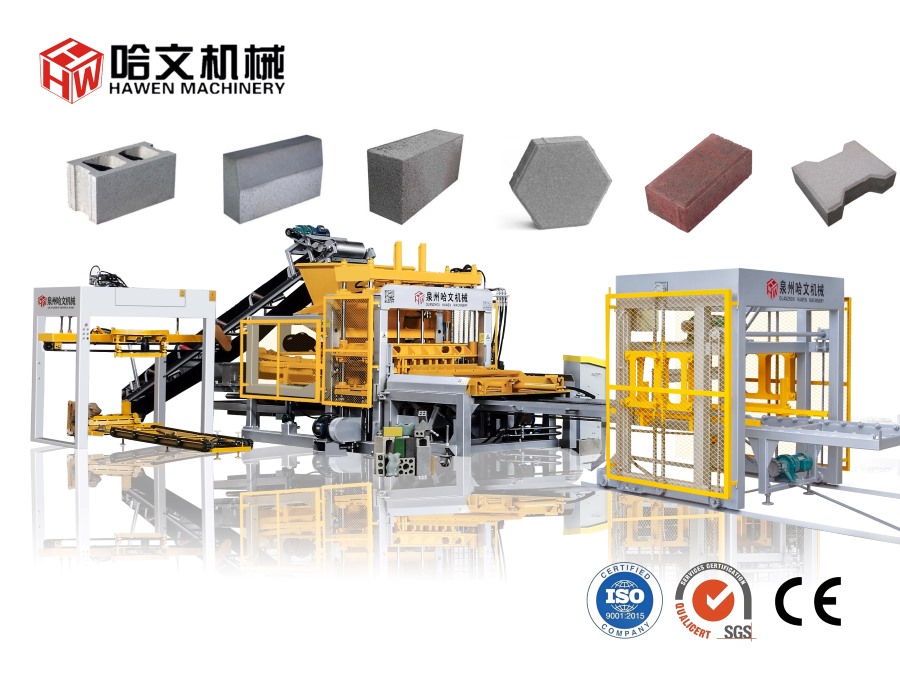
Product identity needs to remain clear when pallets and handling equipment move production into the curing and storage areas.
Investigate Complaints Without Assuming the Cause
Begin with the evidence supplied by the customer. Request the delivery reference, package or lot label if available, product description, quantity affected, photographs, and the time and location where the problem was noticed. Establish whether the products remain in storage or have been transported, installed, or exposed to additional handling. These facts help define the investigation boundary without blaming production or the customer prematurely.
Retrieve the affected lot records and compare them with nearby production. Look for changes in materials, recorded moisture corrections, mould condition, settings, interruptions, curing location, or handling. Compare unaffected products where available. A change that coincides with a complaint is a lead for investigation, not a confirmed cause. Further inspection or testing may be needed to determine whether the connection is meaningful.
Define the scope of any hold using the factory's quality procedure and the available evidence. If the records are incomplete, the investigation may need to cover a wider group of products. Preserve original records and document corrections transparently. After resolving the complaint, review which missing link slowed the investigation. Improve that link before adding more fields to the form; additional paperwork is useful only when it answers a real traceability question.
FAQ
Does every concrete block need a unique serial number?
No. Many factories can use lot and package identification effectively. Individual unit marking depends on the product, customer requirements, and the factory's available process.
Can a production date serve as the only lot reference?
Only if it identifies a sufficiently consistent and clearly separated group. A date alone is often too broad when products, moulds, recipes, or materials change during the day.
What if several aggregate deliveries are mixed in one stockpile?
Record the deliveries and the transition period honestly. Do not assign an exact delivery to a lot unless storage and material movement records support that precision.
Should traceability software be purchased before the process is defined?
Define identifiers, physical labels, responsibilities, and required links first. Software can support those links, but it cannot recover identities lost during unrecorded handling.
Conclusion
Practical batch traceability links material inputs, mixer events, mould identity, forming conditions, curing movements, inspection samples, and customer dispatch. Start with a lot definition that operators can apply, then verify that the identifier survives every physical transfer. Record uncertainty where materials overlap rather than creating false precision.
Before approving a new tracking process or production-line reporting function, test it with one real package and one delivery record. The team should be able to trace backward to production and forward to the customers who received related products. That practical exercise provides a stronger basis for acceptance than a form containing many fields but no reliable physical links.





 Tel: +86-13905968794
 Email: export@hwmachines.com
 MP/WhatsApp: +86-13905968794
 Manufacturer Address:Nanan,Quanzhou City,Fujian Province,China