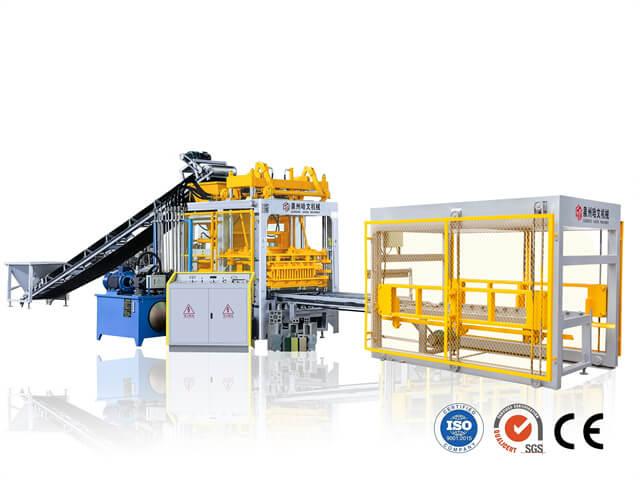
Paver production places different demands on a block machine than standard hollow block production. Pavers are judged by surface finish, edge sharpness, colour consistency, abrasion resistance, size accuracy, and packing appearance, so a machine that runs hollow blocks well is not automatically the right configuration for pavers. This guide is written for buyers who are comparing machines, moulds, and plant layouts for paver output, and who need to know which points to verify before quotation.
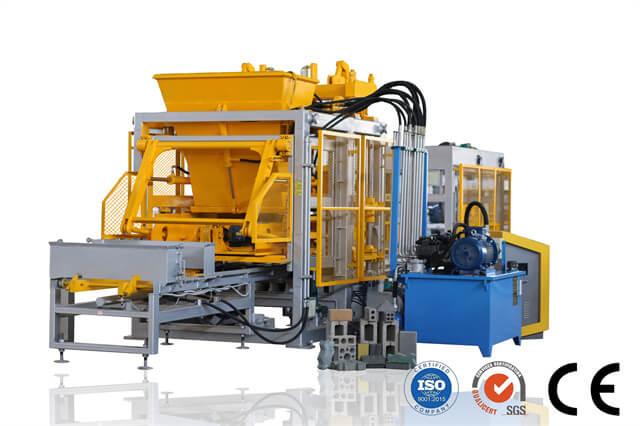
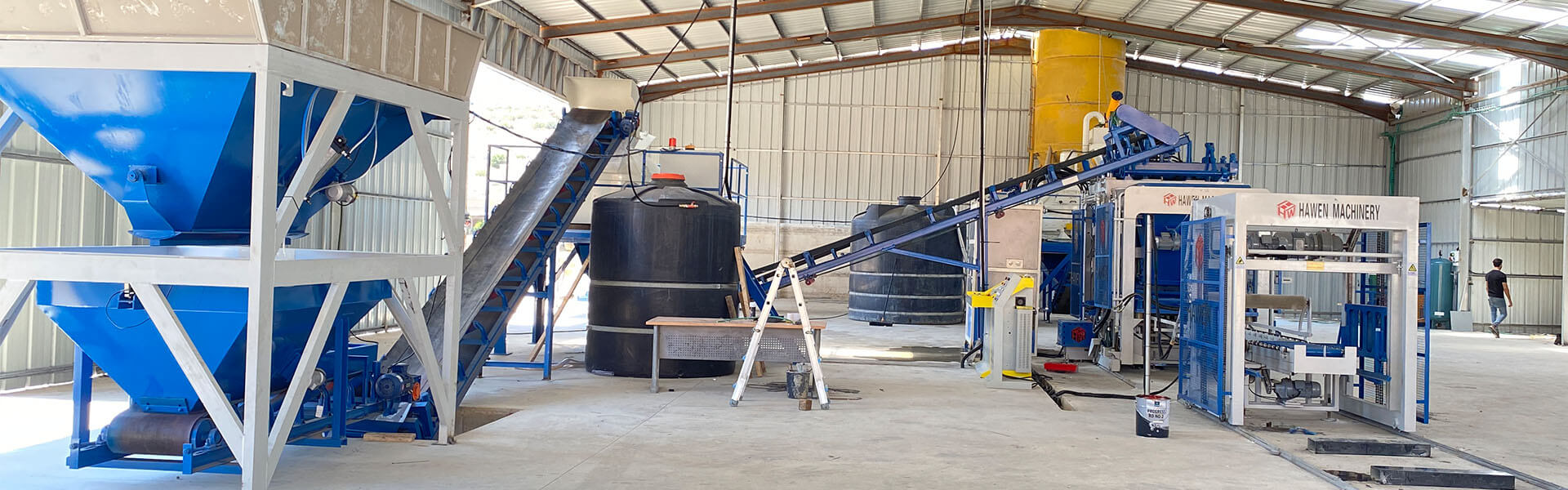
A concrete block machine suitable for paver production should be reviewed across six areas: mould design, material feeding, vibration control, face mix system, pallet quality, and curing method. Many automatic concrete block machines can produce pavers by changing moulds, but the plant configuration around the machine determines whether surface quality, colour, and edge sharpness stay consistent at production volume.
Why paver production needs different checks
Hollow blocks are usually judged by strength, dimension, and quantity. Pavers are far more visible in final use, so surface quality carries more commercial weight. A paver with a rough surface, weak corners, a poor colour layer, or uneven thickness can be difficult to sell even when machine output is high.
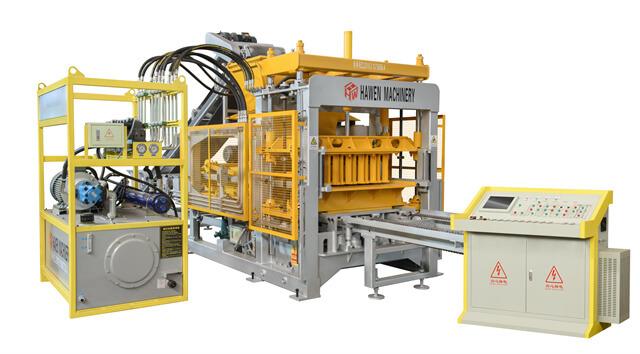
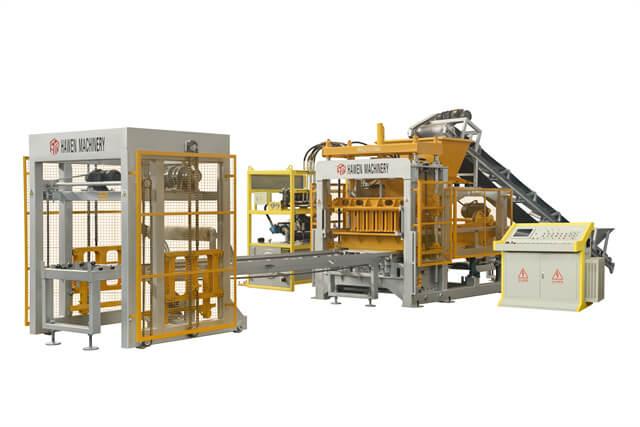
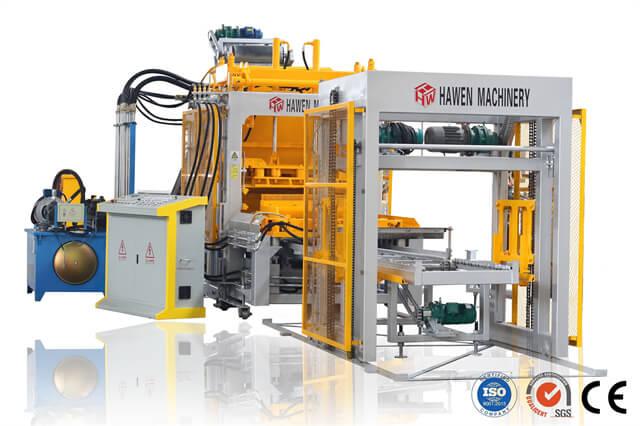
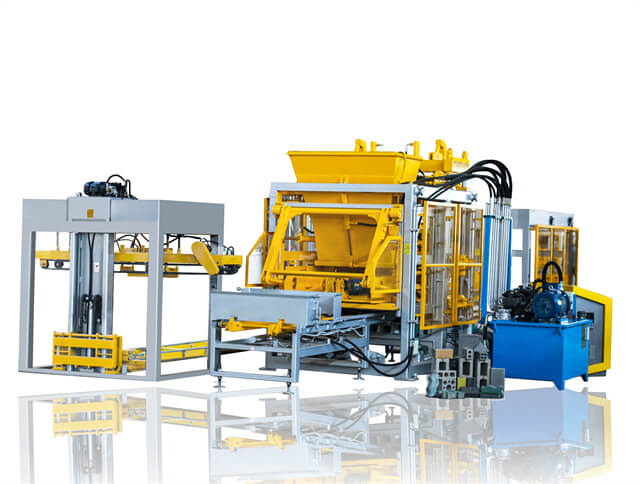
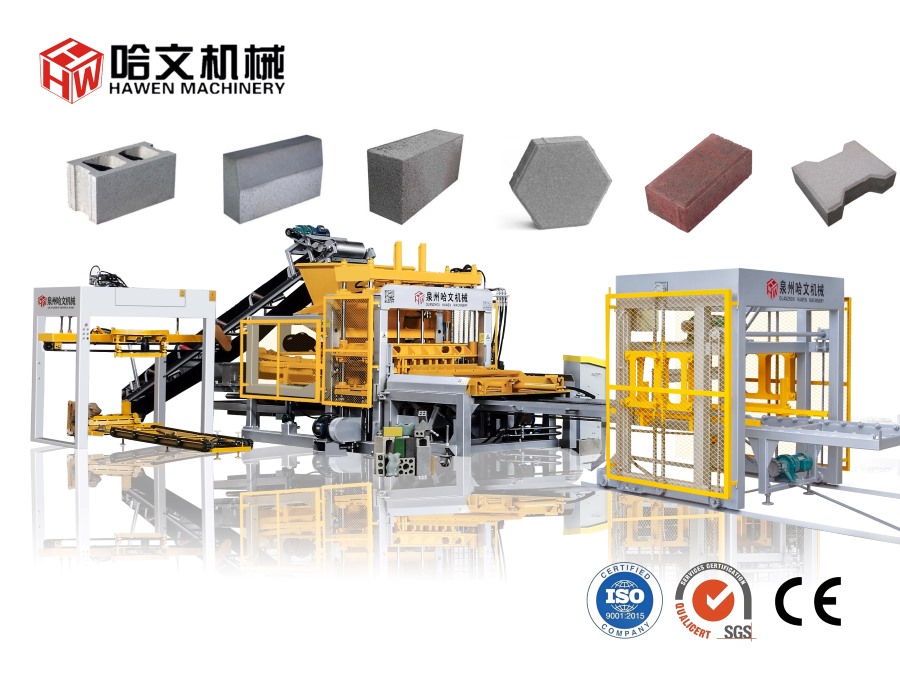
When reviewing a QT8 automatic concrete paver fly ash brick making machine, buyers should confirm whether the selected configuration is intended for pavers, hollow blocks, or mixed production. If pavers are a major product, the mould, face mix feeding, and surface material control should be discussed explicitly rather than assumed.
Face mix feeding, surface density, and colour control
Face mix feeding is often used when buyers need coloured or higher-finish pavers. The base mix provides the structural body, while the surface mix provides appearance and the wear surface. Buyers should check whether the plant includes the required feeding device, mixer arrangement, pigment control, and operator adjustment method.
Surface density depends on material grading, moisture, vibration, and pressing. Fine aggregate should be controlled so the surface is compact but not sticky. Too much water can cause deformation or surface marks; too little water can create a rough texture and weak corners. Operators should record recipe settings whenever they switch between paver colours or shapes, so results can be repeated.
Mould cleaning, vibration, and edge sharpness
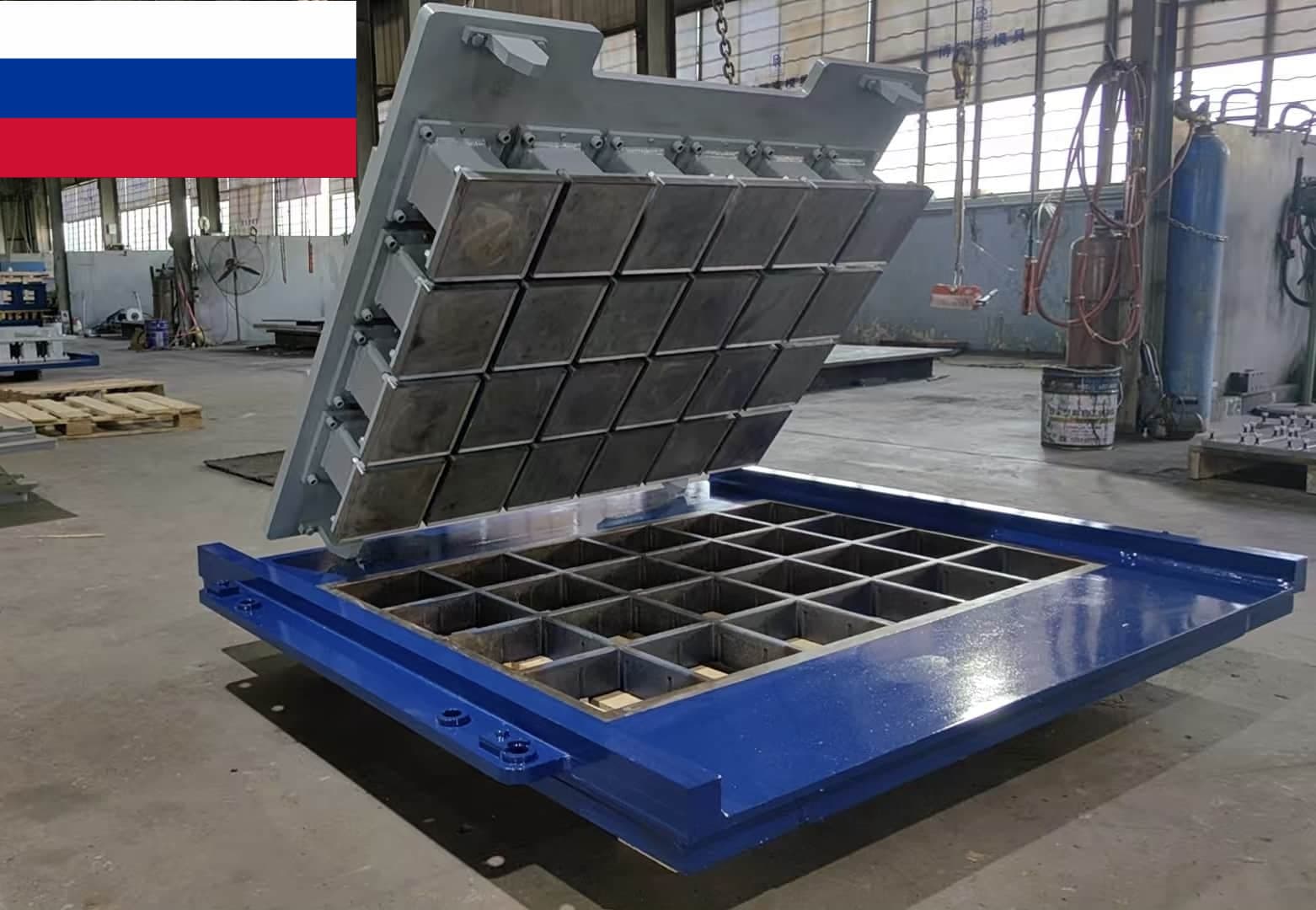
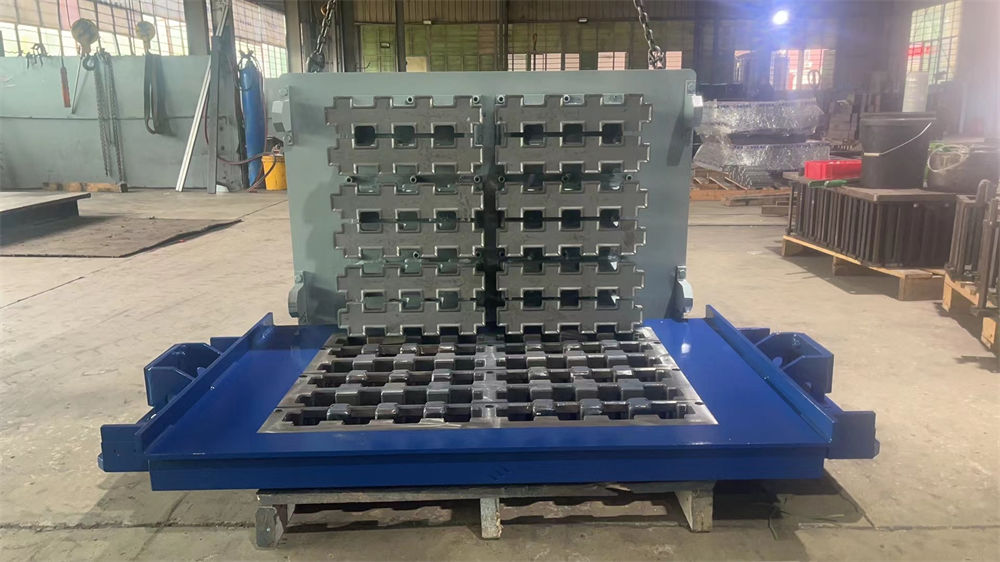
Paver moulds should be kept clean because material buildup affects both size and surface shape. Edge sharpness depends on mould condition, feeding consistency, vibration time, pressure, and pallet stability. If the mould is worn or dirty, the paver may lose its clean outline.
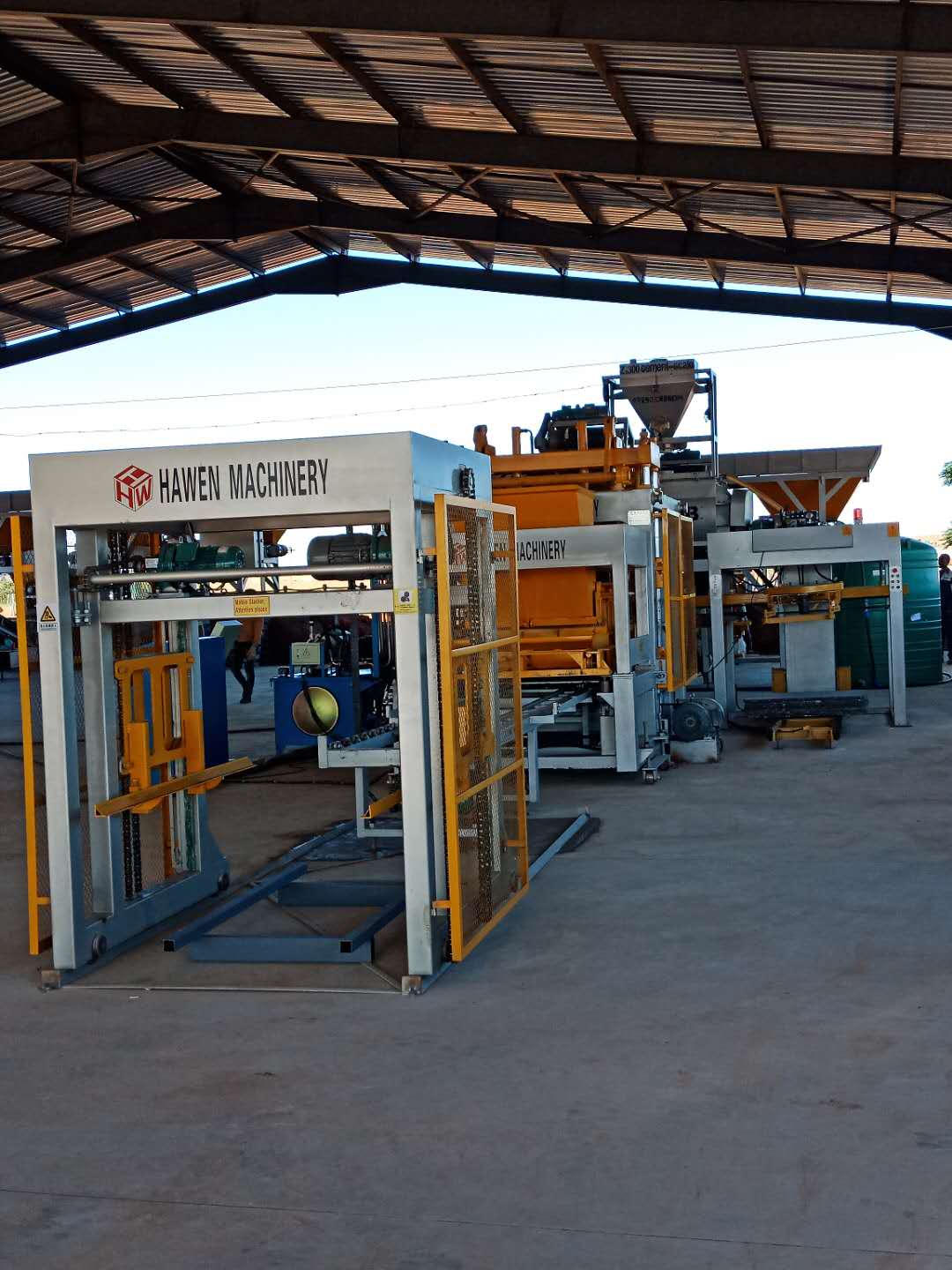
A practical sample video review should show material feeding, vibration, demoulding, and the first pallet of fresh pavers. Finished product photos are useful, but they do not show whether fresh pavers are stable immediately after forming. Buyers should also check how pavers are stacked, cured, and packed after production, since handling errors can damage surface quality that the machine produced correctly.
Paver production review table
| Review item | What to check | Why it matters |
|---|
| Paver mould | Shape, thickness, cavity number, edge condition, and pallet size. | Defines product size and output per cycle. |
| Face mix feeding | Surface material system, pigment control, and feeding uniformity. | Improves colour and surface appearance. |
| Vibration setting | Match vibration time with moisture, aggregate grading, and pressing. | Affects density, edge quality, and demoulding stability. |
| Curing and packing | Check pallet condition, stack height, curing method, and finished packing. | Protects surface quality after forming. |

Mould drawings, cavity numbers, pallet dimensions, and cycle settings are machine- and project-specific. Confirm them with the supplier and with your own site and laboratory results before committing to a paver product range.
FAQ
Can the same machine produce hollow blocks and pavers?
Yes, with suitable moulds and configuration. If pavers are important, the buyer should review face mix feeding, surface finish, and mould cleaning more carefully.
Why do pavers have rough surfaces?
Possible causes include dry material, poor fine aggregate grading, insufficient compaction, mould buildup, or weak surface feeding control. These are possibilities to check in sequence, not confirmed diagnoses.
Is colour feeding necessary for all pavers?
No. It depends on market demand. Plain pavers may not need a face mix system, but coloured or premium pavers usually require better surface material control.
Conclusion
A concrete block machine suitable for paver production should be reviewed by mould design, face mix feeding, surface density, colour control, vibration setting, pallet quality, curing method, and finished packing. Buyers who plan to sell pavers as a main product should treat these as selection criteria, not as after-sales adjustments.
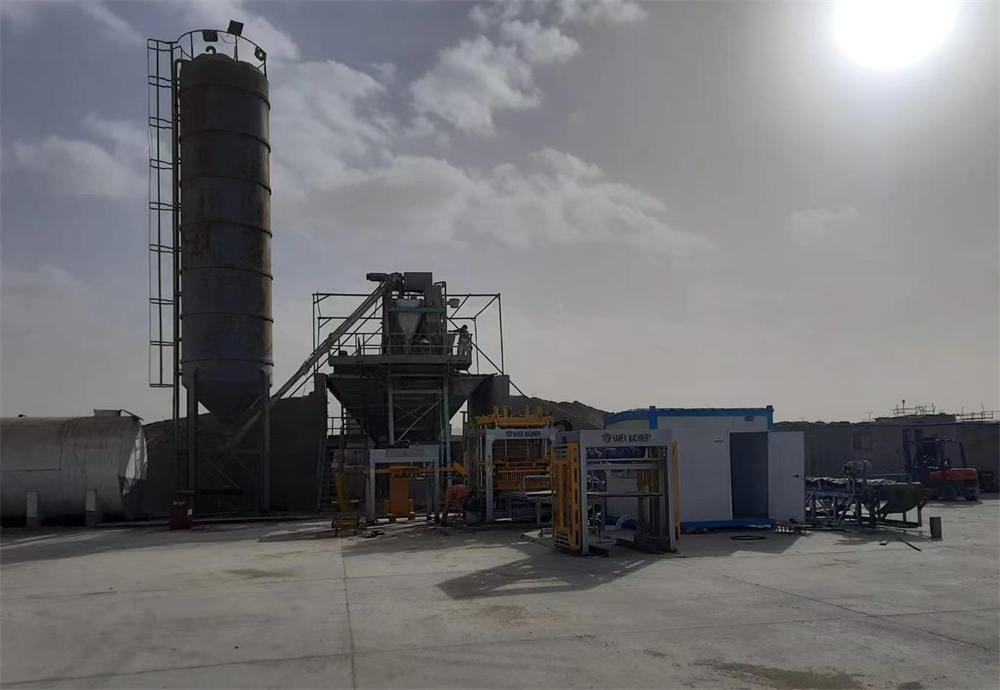
The next step is to confirm your paver product range, target sizes, and expected daily output, then ask the supplier for mould drawings and sample production evidence. Sharing your block type, pallet size, and site conditions early helps the technical team match a machine and mould configuration to your actual production plan.





 Tel: +86-13905968794
 Email: export@hwmachines.com
 MP/WhatsApp: +86-13905968794
 Manufacturer Address:Nanan,Quanzhou City,Fujian Province,China