Choosing between QT4-15, QT8-15, and QT10-15 concrete block machines should begin with production scale, not only machine price. These models can all produce hollow blocks, solid blocks, pavers, and other concrete products by changing moulds, but their output, site requirements, handling pressure, and investment range are different. A buyer should first define the target market, expected daily production, product dimensions, available land, labor level, and future expansion plan.
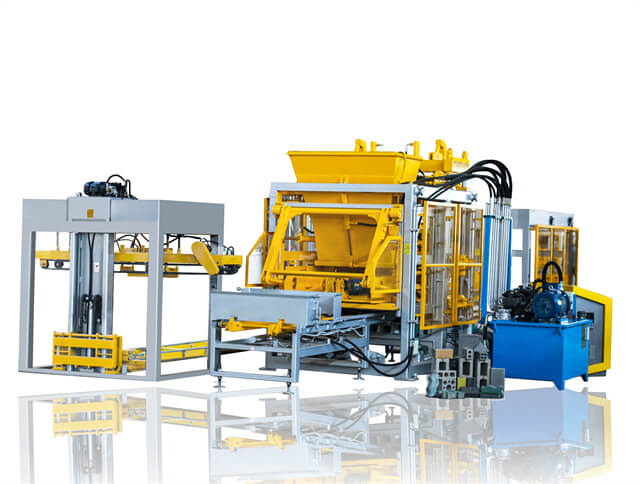
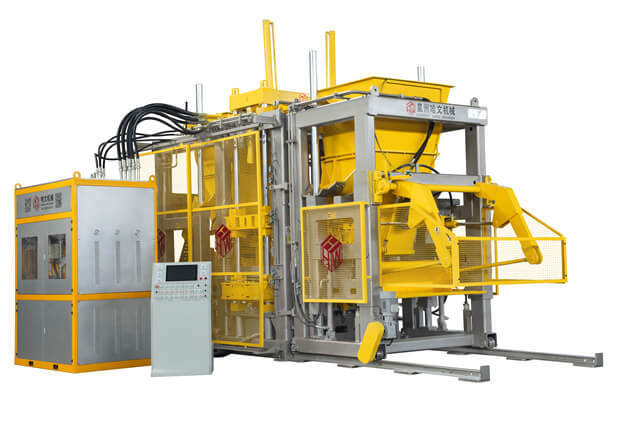
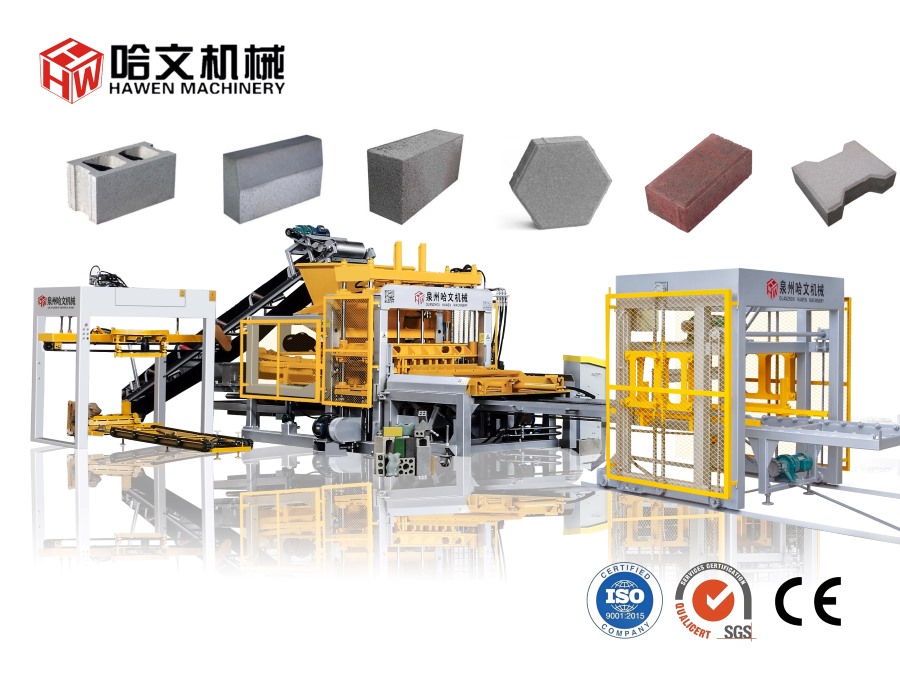
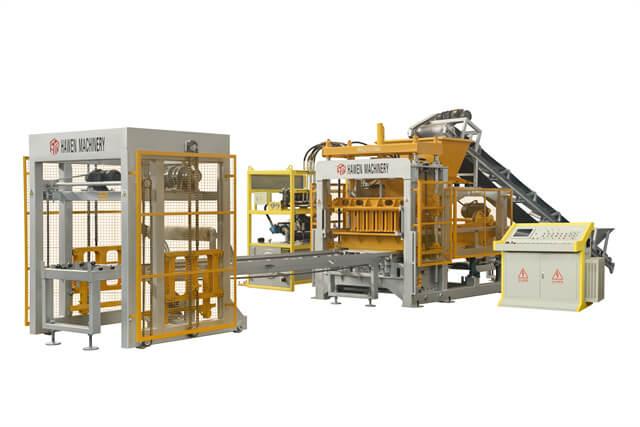
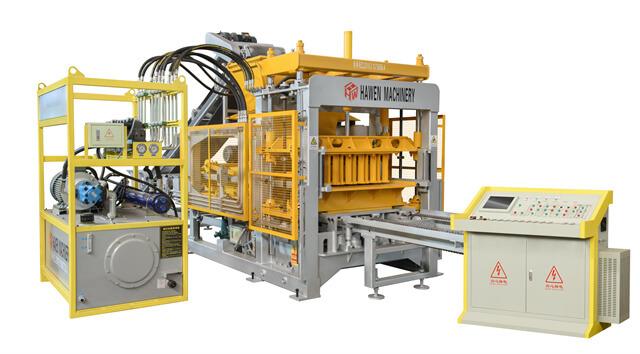
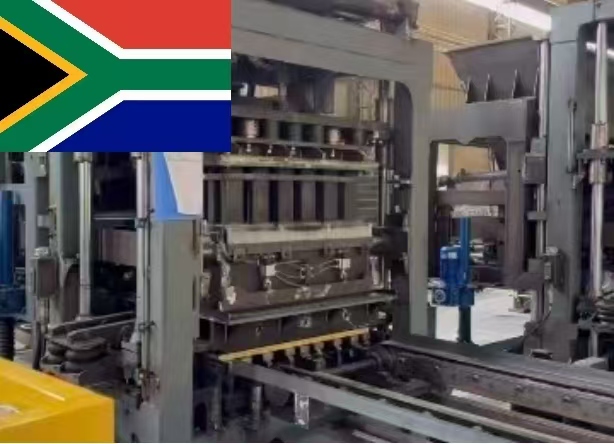
The photos used in this article are equipment and site references from the company image library. They help buyers understand machine scale, complete plant layout, pallet flow, and production handling. The goal is not to select the largest model, but to select the machine that matches real demand.
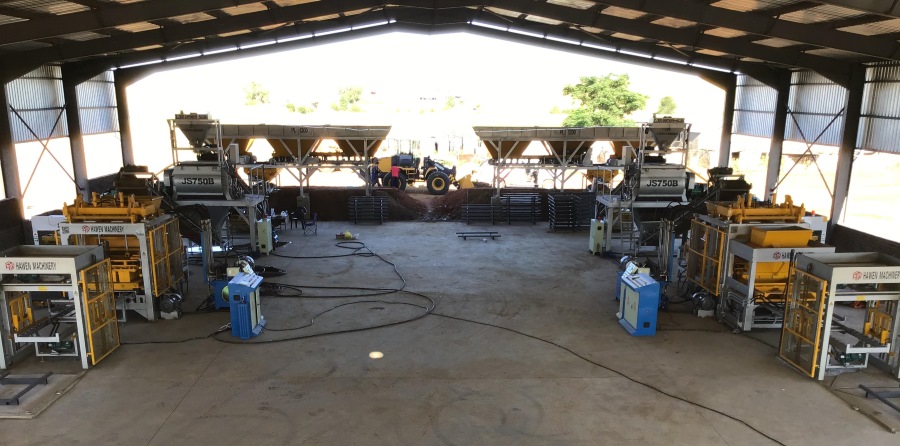
Model positioning for different production scales
QT4-15 is usually considered when the buyer wants automatic forming but has moderate output demand, limited land, or a developing market. It can be suitable for small and medium block producers who need a practical entry into automatic production. The investment pressure is lower, and the curing yard requirement is easier to manage.
QT8-15 is a middle-to-high output option for buyers who already understand their block market and need stronger daily production. It is often used for hollow blocks, pavers, porous bricks, and kerbstones. When reviewing a QT8 automatic concrete paver fly ash brick making machine, the buyer should check not only the host machine but also batching, mixing, pallet quantity, stacker arrangement, and mould list.
QT10-15 is better suited for buyers with higher output expectations, larger curing space, stronger downstream handling, and more stable sales channels. It can produce more pieces per cycle for many product types, but it also requires better raw material supply, electrical preparation, forklift flow, and operator discipline.
Capacity, mould size, and product range
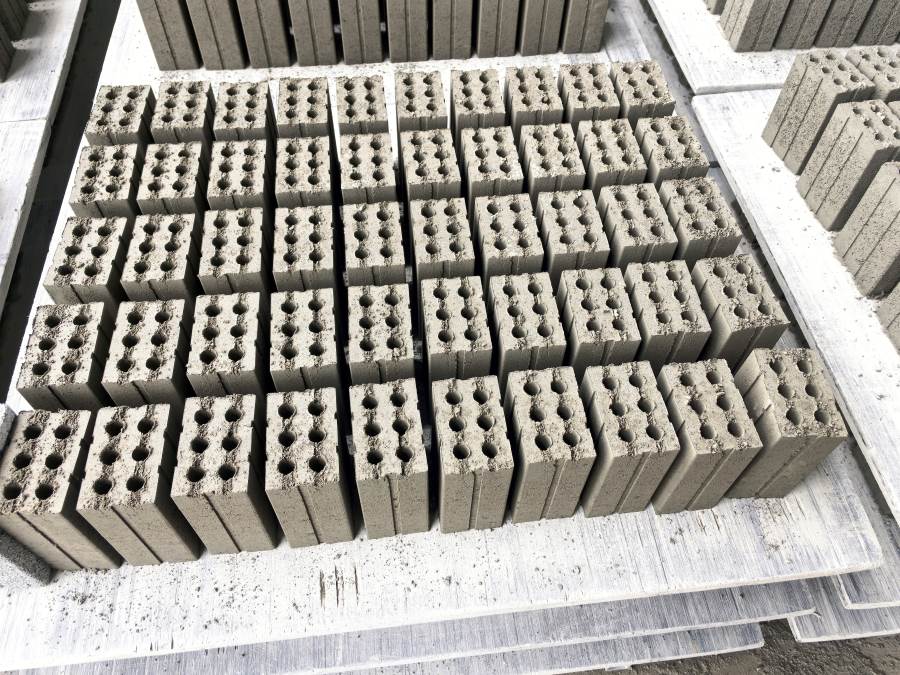
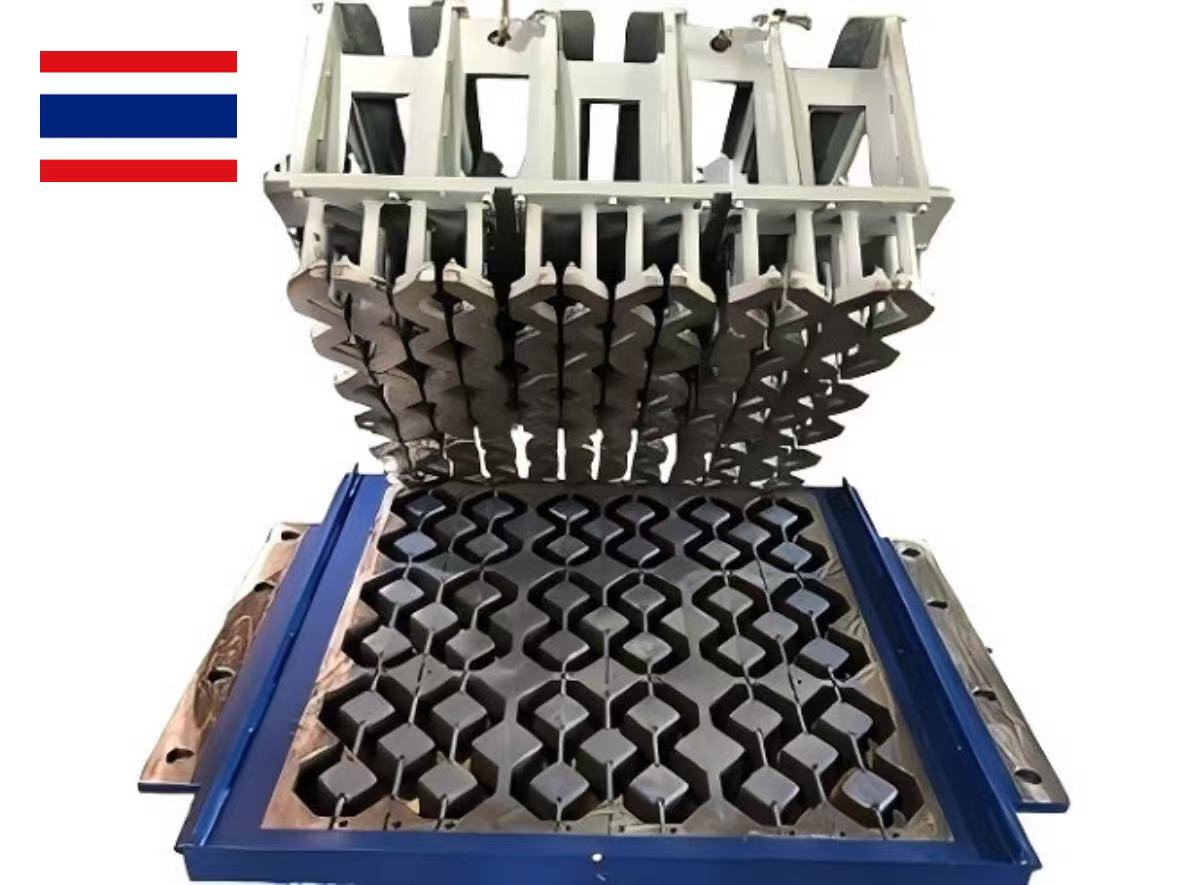
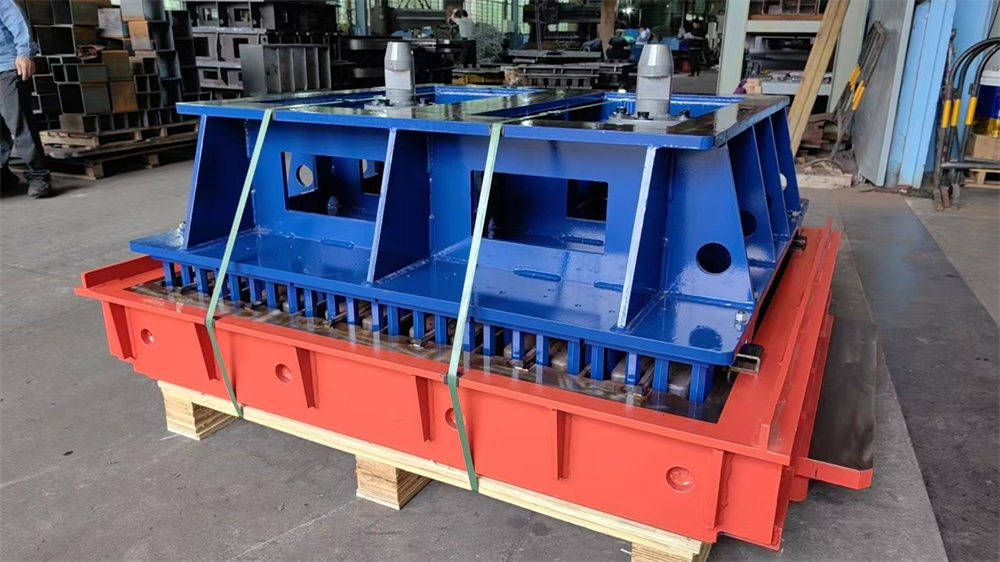
The model number gives a general idea of forming scale, but real capacity depends on product size and mould layout. A hollow block mould, paver mould, kerbstone mould, and solid block mould may have very different pieces per pallet. Buyers should request mould drawings that show product size, cavity number, pallet size, and expected pieces per cycle.
Capacity should be calculated by saleable products, not only theoretical machine cycles. If a machine produces more blocks than the curing yard can hold, the extra capacity cannot be used. If the mould is designed for a product that does not match the local market, output becomes less valuable. Product planning should come before final machine selection.
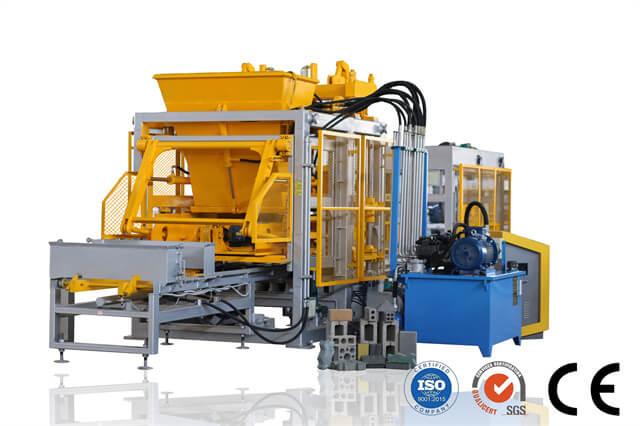
Batching, mixing, pallet, and stacker matching
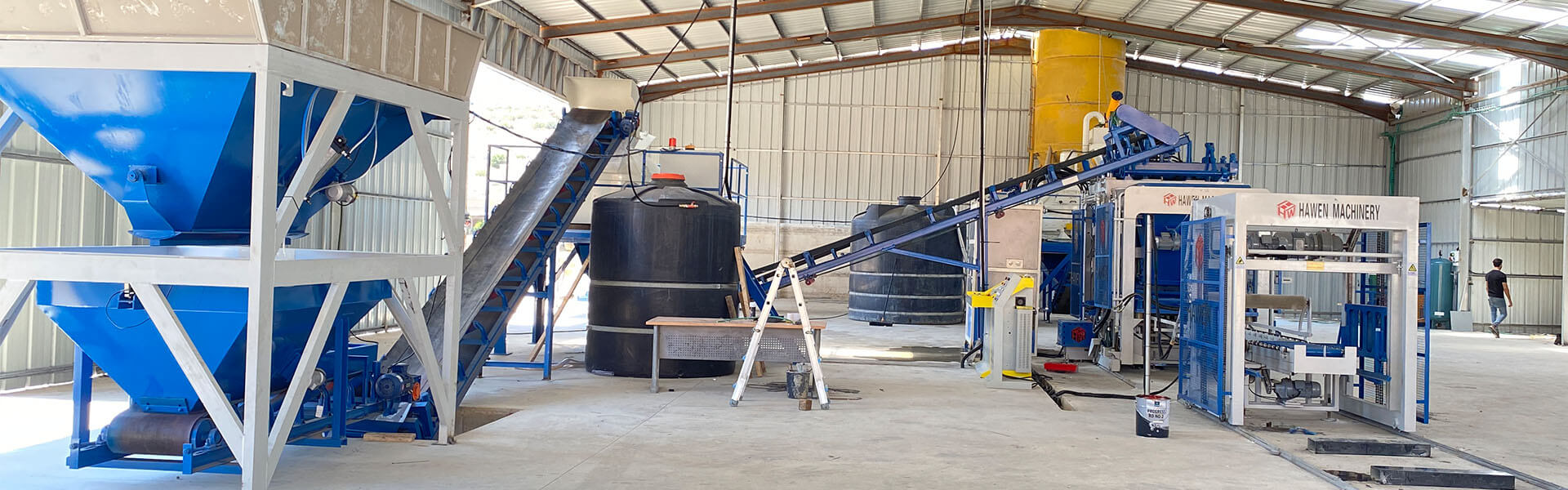
A concrete block machine is only one part of the production line. The batching machine must supply accurate aggregate proportions. The mixer must produce consistent semi-dry concrete. The belt conveyor must feed material smoothly. The pallet feeder must provide enough pallets. The stacker must remove green blocks without waiting. If one part is too small or poorly arranged, the host machine cannot reach stable output.
A practical site observation is that many production delays are caused by pallet circulation and curing yard planning, not by the forming machine itself. Before ordering, the buyer should calculate pallet quantity based on cycle time, curing time, stack height, and daily working hours. Forklift movement should also be planned so raw material loading, green block movement, and finished block shipment do not cross each other repeatedly.
Buyer comparison table
| Review item | QT4-15 | QT8-15 / QT10-15 |
|---|
| Production scale | Suitable for moderate output and developing markets. | Suitable for higher output and more stable sales demand. |
| Site requirement | Easier curing yard and layout planning. | Requires larger space, better forklift routes, and stronger handling equipment. |
| Investment review | Lower entry pressure, suitable for cautious expansion. | Higher investment, but stronger output potential when the market is ready. |
FAQ
Is QT10-15 always the best choice?
No. QT10-15 has stronger capacity potential, but it needs enough market demand, curing space, pallets, labor, and handling equipment. If these conditions are not ready, QT8-15 or QT4-15 may be more practical.
Can one machine produce several block types?
Yes. Different products can be made by changing moulds, but each mould must match pallet size, machine capacity, material feeding, and local market dimensions.
What should be checked before confirming the model?
The buyer should check product size, mould drawings, daily output target, mixer capacity, pallet quantity, stacker type, curing yard, power supply, spare parts, and installation support.
Conclusion
QT4-15, QT8-15, and QT10-15 concrete block machines serve different production needs. A good selection depends on market demand, product range, site layout, pallet circulation, curing yard capacity, and investment plan. The next step is to compare mould drawings, production flow, and full configuration scope before choosing the final model.





 Tel: +86-13905968794
 Email: export@hwmachines.com
 MP/WhatsApp: +86-13905968794
 Manufacturer Address:Nanan,Quanzhou City,Fujian Province,China