Low-Cost Ways to Enter the Block Production Industry
Author:HAWEN Block MachineFROM:Brick Production Machine Manufacturer
TIME:2026-06-02
The concrete block manufacturing sector remains one of the most accessible segments of the construction materials industry. Driven by ongoing urbanization, infrastructure expansion, and housing development, demand for concrete blocks, pavers, and kerbstones continues to grow across emerging and developed markets alike.
However, many aspiring entrepreneurs hesitate to enter the industry because they assume that establishing a block factory requires substantial capital investment. In reality, a carefully planned strategy can significantly reduce startup costs while still laying the foundation for sustainable growth.
This article explores practical and cost-effective ways to enter the block production industry without compromising product quality, operational efficiency, or long-term profitability.
Understand That Bigger Is Not Always Better
One of the most common misconceptions among first-time investors is that larger production capacity automatically leads to higher profits.
While a fully automatic block machine offers impressive output, it may not be the most suitable choice for a startup operation serving a limited local market.
Before purchasing equipment, entrepreneurs should evaluate:
Local construction demand
Available working capital
Labor costs
Land availability
Expected sales volume
Future expansion plans
A smaller but well-utilized brick machine often generates stronger cash flow than an oversized production line operating below capacity.
Note: The most profitable factory is not necessarily the largest one. It is the one that maintains a healthy balance between production capability and market demand.
Start with the Right Production Scale
A phased investment approach is often the safest path into the industry.
Instead of immediately investing in a highly automated plant, many successful manufacturers begin with:
Semi-automatic block production lines
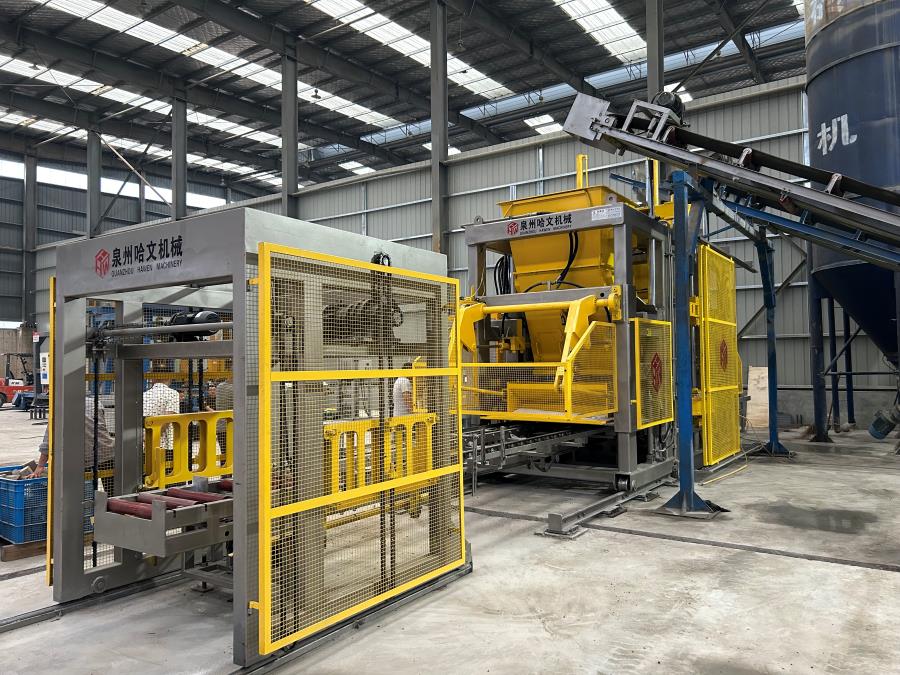
Entry-level automatic block making machine systems
Single-product manufacturing
Limited workforce structures
This strategy minimizes financial risk while allowing operators to gain valuable production and market experience.
As sales volume increases, additional equipment can be integrated gradually without placing excessive pressure on cash flow.
Focus on High-Demand Products First
Another effective way to reduce investment risk is to focus on products with stable market demand.
Examples include:
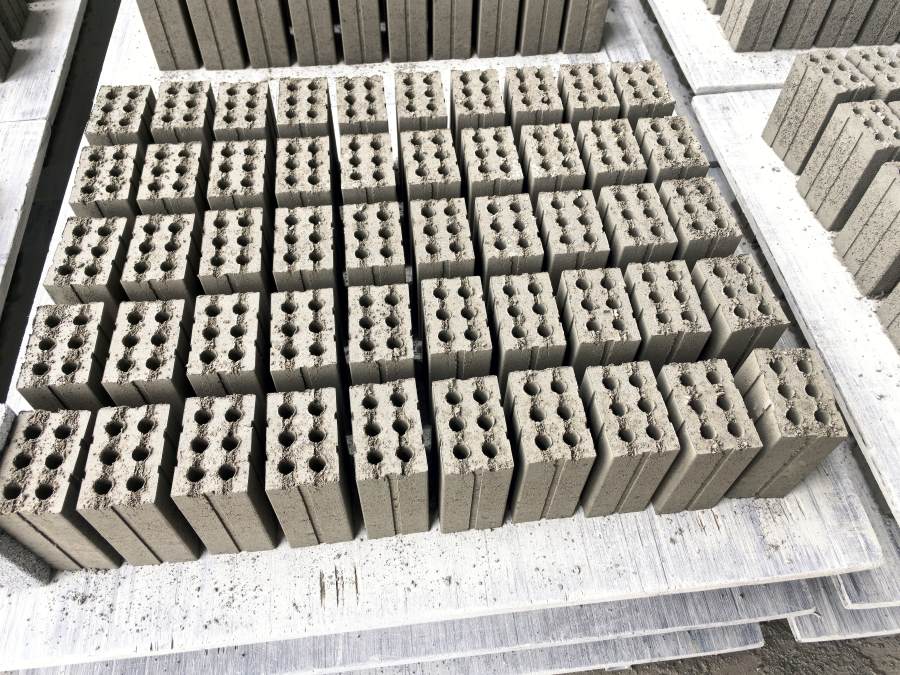
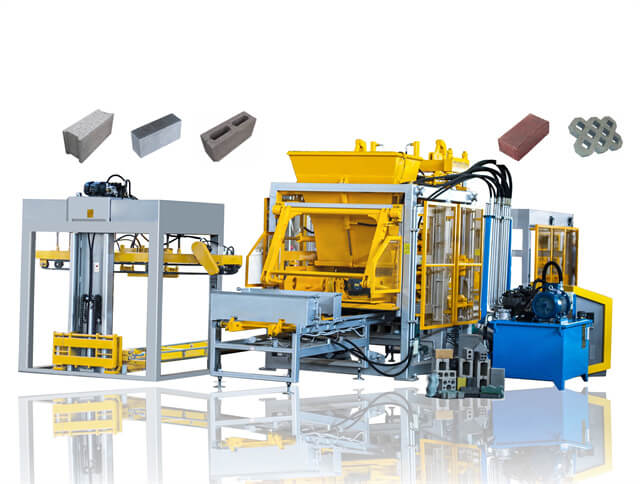
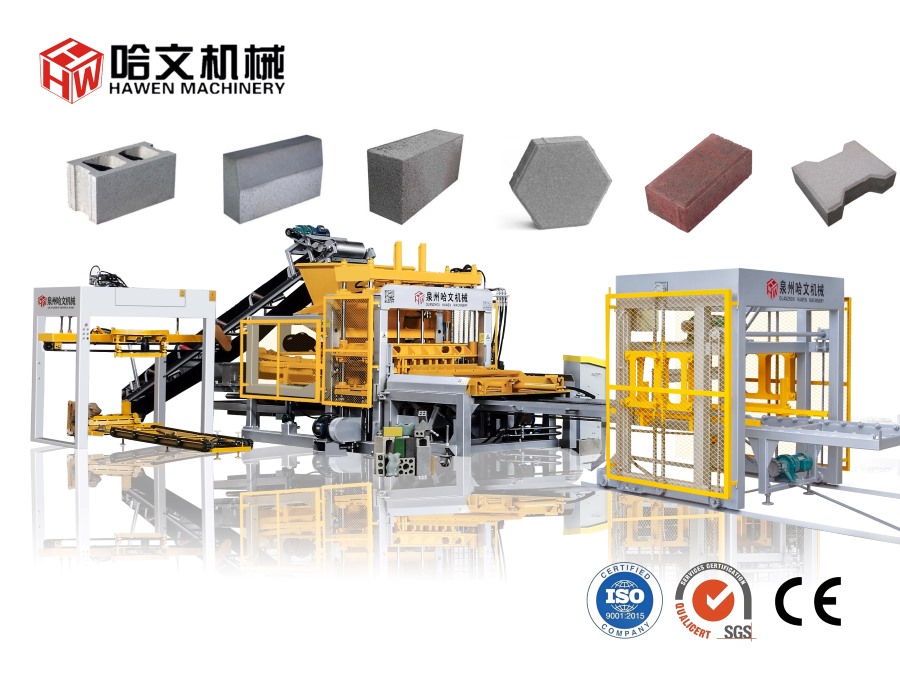
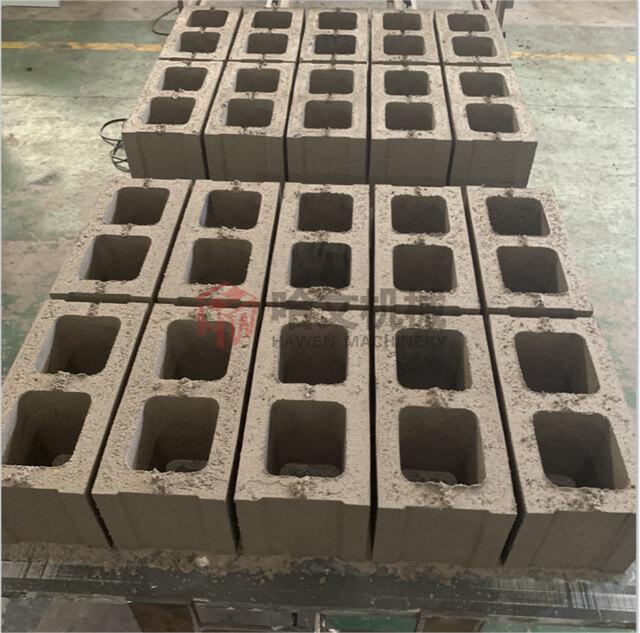
Hollow concrete blocks
Solid blocks
Standard paving bricks
Curbstones
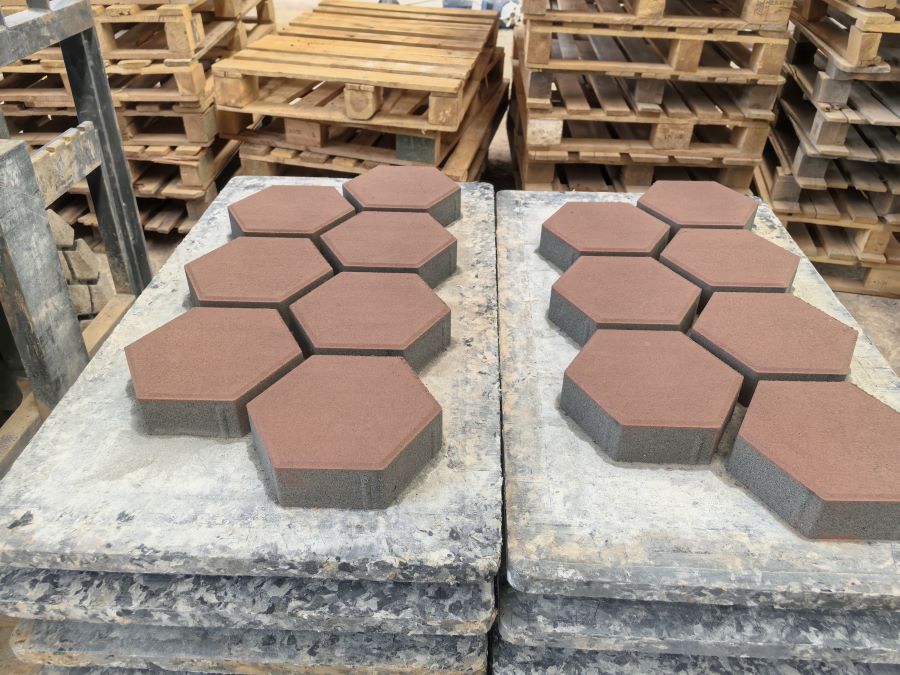
Interlocking pavers
These products are widely used in residential, commercial, and municipal projects.
Attempting to manufacture too many specialized products during the initial phase can increase inventory costs and operational complexity.
A focused product portfolio enables faster inventory turnover and simplifies production management.
Choose Equipment with Future Expansion in Mind
Low-cost entry should never mean sacrificing scalability.
When selecting a block making machine, investors should consider whether the equipment can accommodate additional molds and future production requirements.
At Hawen Machinery, our molds are engineered to be compatible with leading block machine brands including Masa, Hess, Zenith, Poyatos, Besser, Tiger, Columbia, Quadar, Omag, and many others. Manufactured according to original specifications, these molds ensure accurate fitment, reliable operation, and consistent product dimensions.
To maximize service life, all molds undergo professional heat treatment processes and hardness testing. Typical hardness values reach HRC60–62, enhancing wear resistance under continuous production conditions.
This flexibility allows manufacturers to diversify their product range without replacing their core production equipment.
Optimize Raw Material Costs from Day One
For most block factories, raw materials represent the largest operating expense.
Even small improvements in material utilization can significantly improve profitability.
Key measures include:
Maintaining proper aggregate grading
Monitoring moisture content
Controlling cement dosage
Reducing material waste
Standardizing mix designs
A properly designed brick making machine can also contribute substantially to material savings.
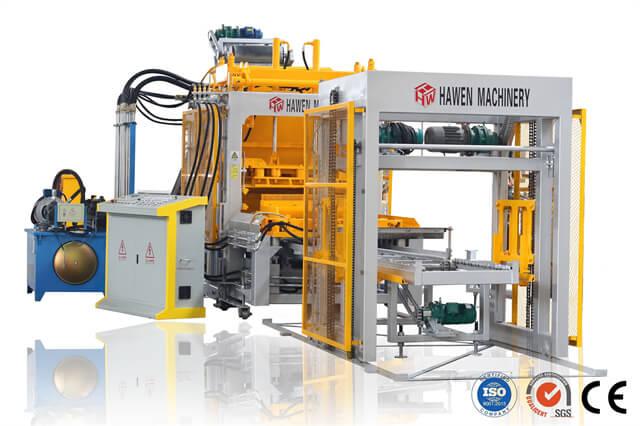
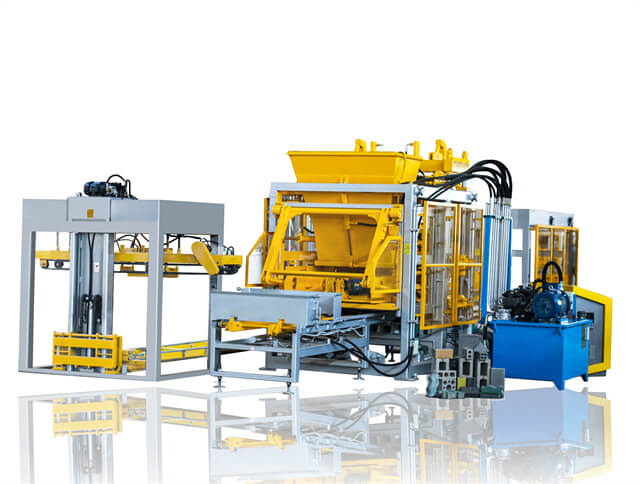
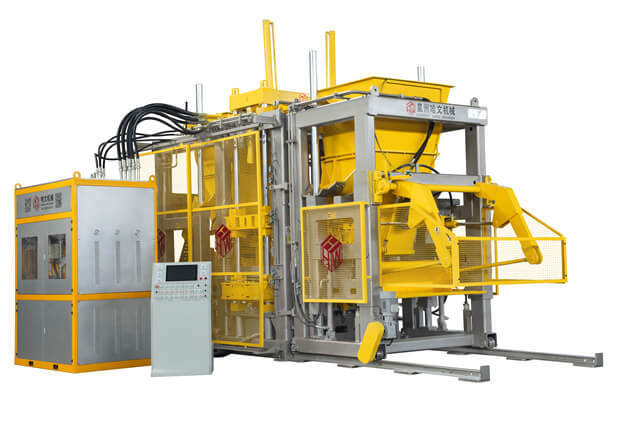
Hawen Machinery adopts a four-shaft vibration box design, positioning eccentric blocks outside the housing. This reduces resistance during vibration, ensures uniform compaction, and lowers cement consumption while improving overall efficiency.
Over time, these savings can have a greater impact on profitability than the initial purchase price difference between machines.
Consider Industrial Solid Waste as a Resource
Many regions now encourage the utilization of industrial by-products and recycled materials.
Depending on local regulations and material availability, manufacturers may incorporate:
Fly ash
Slag
Crushed concrete
Construction waste
Stone dust
These materials can partially replace traditional aggregates and help reduce production costs.
At the same time, utilizing recycled resources enhances environmental sustainability and may create additional market opportunities in green construction projects.
Note: Material suitability should always be verified through laboratory testing before large-scale implementation.
Reduce Labor Dependency Through Smart Automation
Labor shortages and rising wages have become common challenges worldwide.
Modern automation technologies can help small factories remain competitive even with limited staffing.
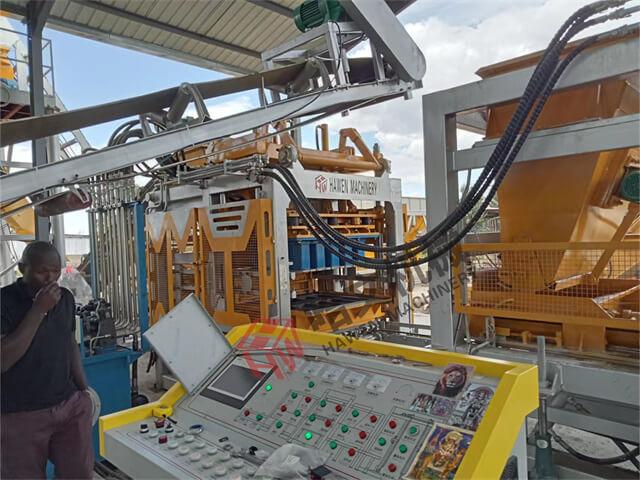
Hawen Machinery integrates a SIEMENS S7-200 PLC with an intuitive touch panel and remote monitoring capabilities. Through this system, we can track the real-time operating status of customers' block machines, optimize operational parameters remotely, and ensure consistent production quality.
This intelligent control architecture helps operators improve efficiency while reducing human error and maintenance downtime.
For startup manufacturers, reliable automation often delivers a faster return on investment than hiring additional labor.
Prioritize Reliability Over the Lowest Purchase Price
Many new investors focus exclusively on minimizing upfront costs.
However, equipment reliability often determines long-term profitability.
Frequent breakdowns can lead to:
Production interruptions
Delayed deliveries
Increased maintenance expenses
Customer dissatisfaction
Lost business opportunities
For this reason, the quality of critical components deserves careful attention.
Hawen Machinery equips its hydraulic systems with Japanese YUKEN proportional and directional valves alongside American ALBERT hydraulic pumps. This configuration provides stable hydraulic performance, precise control, and dependable operation under demanding production conditions.
When evaluated over the entire lifecycle of a block plant, dependable equipment frequently delivers lower overall costs than cheaper alternatives.
Build Sales Channels Before Expanding Production
Many startup factories invest heavily in equipment before securing customers.
A more sustainable strategy is to develop market relationships early.
Potential sales channels include:
Local contractors
Real estate developers
Municipal projects
Building material distributors
Landscaping companies
Infrastructure contractors
Stable demand creates predictable cash flow, which is essential for financing future expansion.
In many cases, strong sales networks contribute more to business success than production capacity alone.
Think Long-Term, Not Just Low-Cost
Entering the block production industry on a limited budget does not mean compromising your ambitions. It means investing strategically, allocating resources efficiently, and building a business capable of sustainable growth.
The most successful manufacturers rarely begin with the largest factories. They begin with a clear understanding of their market, disciplined financial management, reliable production equipment, and a commitment to continuous improvement.
At Hawen Machinery, we believe that every successful block plant starts with a solid foundation. Whether you are purchasing your first block machine or planning the expansion of an existing facility, the goal should never be merely to minimize investment. The goal is to maximize value, create consistent quality, and establish a production system that remains competitive for years to come.
In an industry where every concrete block contributes to roads, homes, schools, and cities, a modest beginning can evolve into a significant enterprise. The true measure of success is not how much capital you start with, but how effectively you transform that capital into enduring productivity, customer trust, and long-term industrial achievement.
FAQ
1. What is the lowest-cost way to start a block production business?
Starting with a semi-automatic production line and focusing on high-demand products such as hollow blocks or paving bricks is often the most cost-effective approach.
2. Can a small block factory compete with large manufacturers?
Yes. Smaller factories can remain competitive by serving local markets, reducing transportation costs, maintaining product quality, and responding quickly to customer requirements.
3. Should I buy a fully automatic block machine immediately?
Not necessarily. The best choice depends on your budget, market demand, and production goals. Many successful businesses begin with smaller systems and expand gradually.
4. How can I reduce raw material costs in block production?
Proper mix design, moisture control, efficient vibration technology, and the use of suitable recycled materials can significantly reduce material consumption and production expenses.
5. What should I look for when choosing my first brick making machine?
Key considerations include production capacity, mold flexibility, component quality, automation level, after-sales support, maintenance requirements, and long-term expansion potential.





 Tel: +86-13905968794
 Email: export@hwmachines.com
 MP/WhatsApp: +86-13905968794
 Manufacturer Address:Nanan,Quanzhou City,Fujian Province,China