How Often Should You Replace Block Machine Molds
Author:HAWEN Block MachineFROM:Brick Production Machine Manufacturer
TIME:2026-04-16
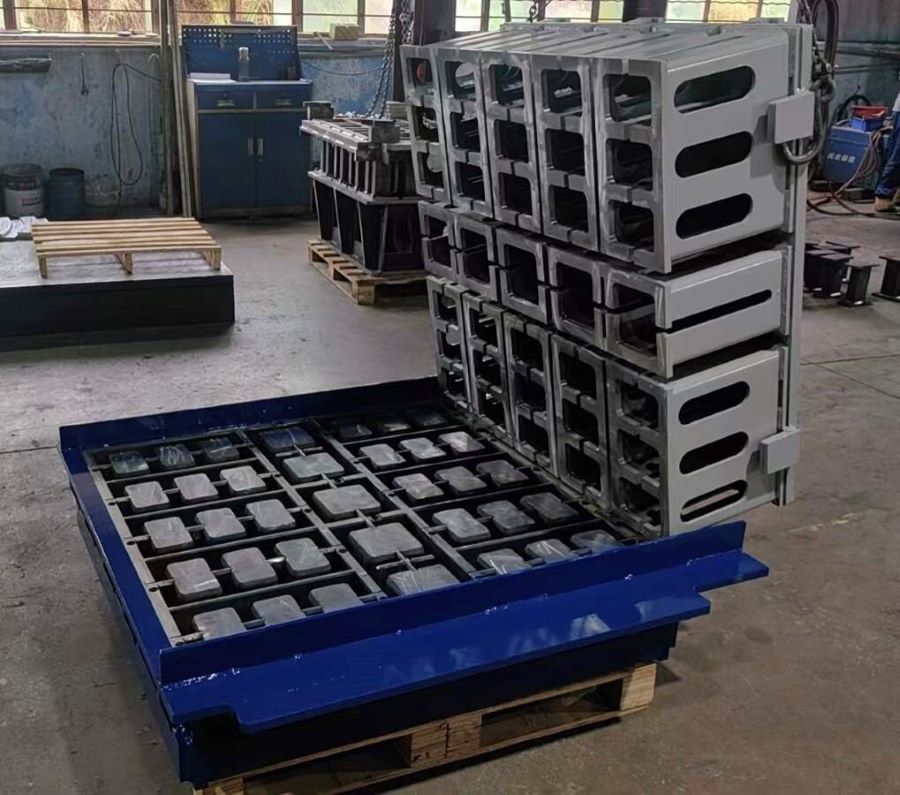
In concrete block manufacturing, molds are not merely consumable components; they are precision tools that directly determine product geometry, surface finish, and structural integrity. While many operators seek a fixed replacement interval, the reality is more nuanced. Mold lifespan is not defined by time alone, but by a combination of material quality, operating conditions, and maintenance discipline.
Understanding when—and why—to replace molds is essential for maintaining consistent product quality and avoiding hidden production losses.
1. There Is No Universal Replacement Timeline
A common misconception is that molds should be replaced after a fixed number of cycles. In practice, mold lifespan varies significantly.
Typical ranges may include:
Standard molds: 80,000–100,000 cycles
However, these figures are only reference points. Actual service life depends on:
Raw material abrasiveness
Vibration intensity and frequency
Maintenance practices
Operator handling
Note: A well-maintained mold can outperform its nominal lifespan, while poor handling can shorten it dramatically.
2. Key Indicators That Mold Replacement Is Needed
Rather than relying solely on cycle counts, operators should monitor performance-based indicators.
Dimensional Deviation
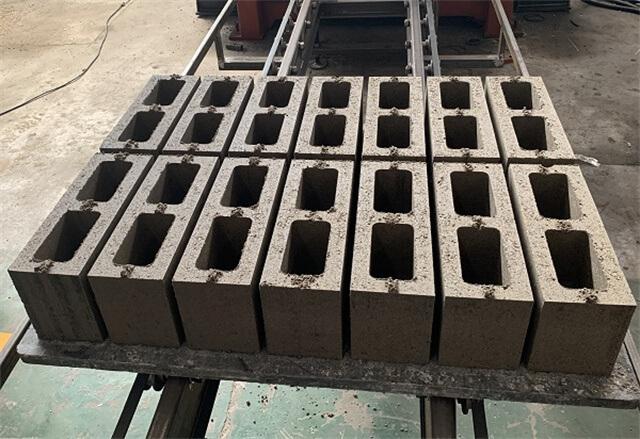
Blocks begin to show inconsistent size or poor alignment. This indicates cavity wear or deformation.
Surface Defects
Rough surfaces, edge chipping, or sticking during demolding often signal internal wear or loss of surface integrity.
Increased Cement Consumption
When molds lose compaction efficiency, operators may compensate by increasing cement content—an indirect but costly symptom.
Reduced Production Stability
Frequent adjustments to maintain quality suggest that the mold no longer provides consistent forming conditions.
Annotation: Mold wear is often gradual and invisible at first. Quality fluctuation is usually the earliest measurable signal.
3. Factors That Influence Mold Lifespan
Material Quality and Heat Treatment
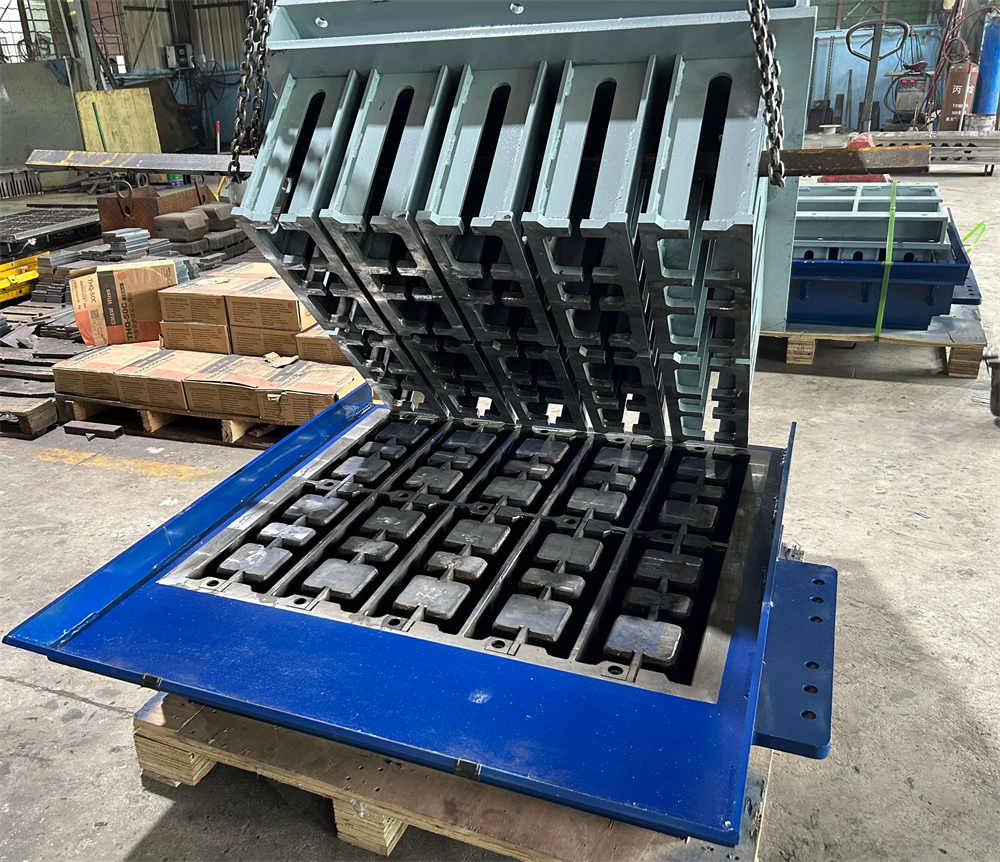
Molds subjected to proper heat treatment exhibit superior hardness and wear resistance, significantly extending service life.
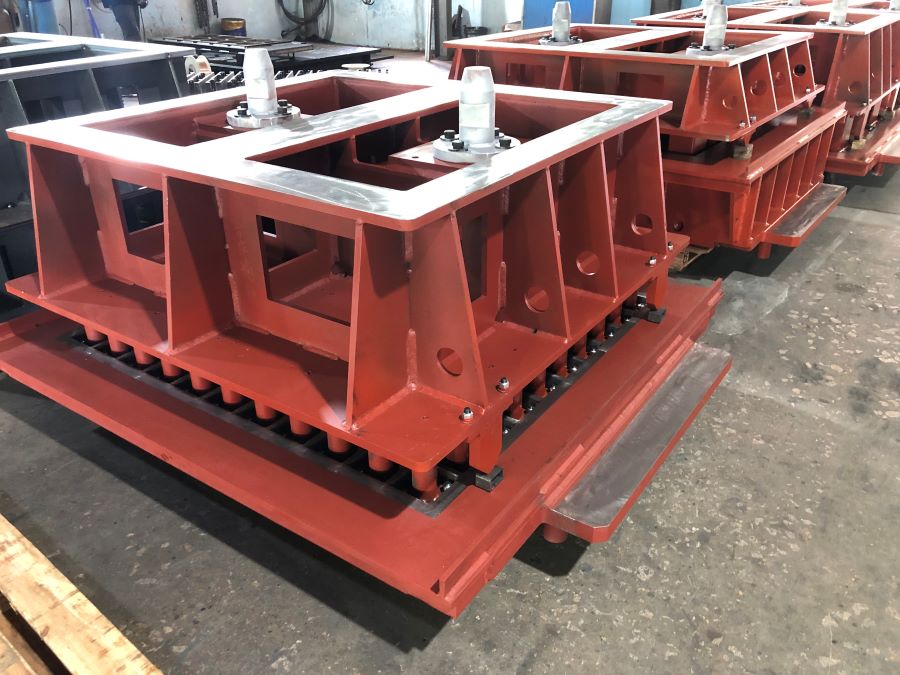
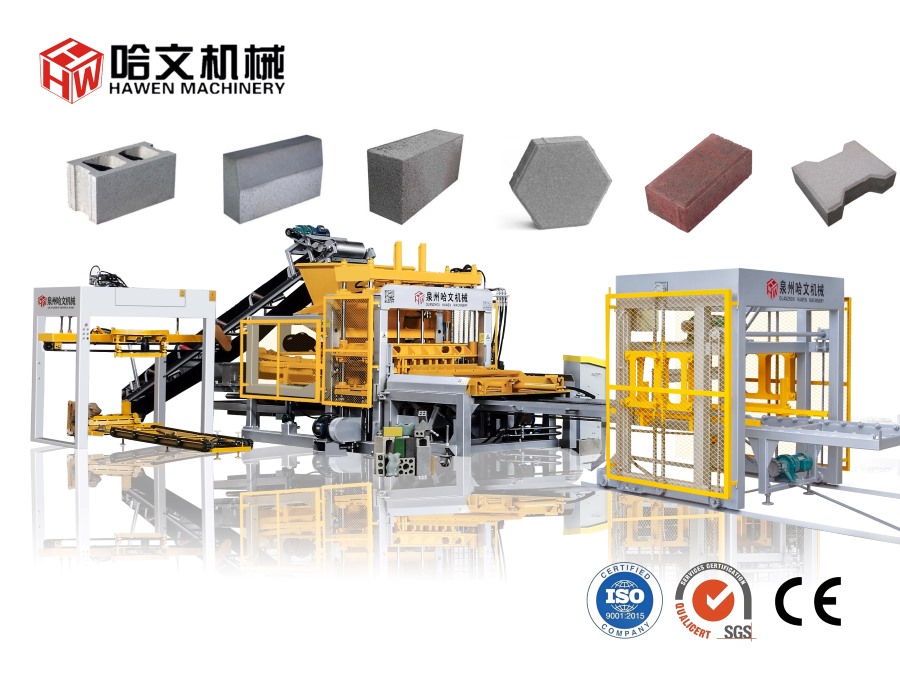
Hawen Machinery designs molds compatible with leading block machine brands, including MASA, HESS, ZENITH, POYATOS, BESSER, TIGER, and others. By adhering to original specifications and applying advanced heat treatment processes, these molds ensure precise fit, smooth operation, and long-term durability across different platforms.
Vibration Efficiency
Stable and uniform vibration reduces uneven stress on molds.
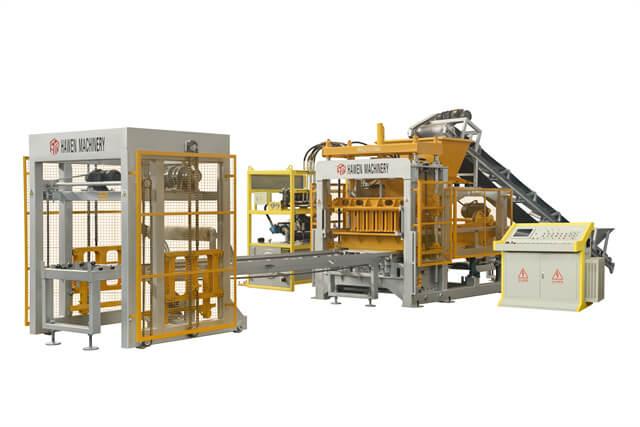
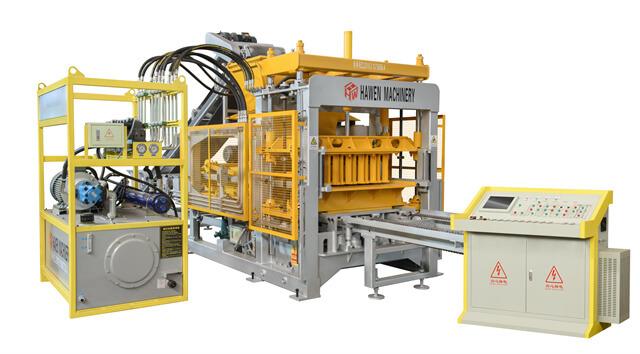
Hawen Machinery adopts a four-shaft vibration box design, positioning eccentric blocks outside the housing. This reduces resistance during vibration, ensures uniform compaction, and lowers cement consumption while improving overall efficiency.
Hydraulic Stability
Consistent forming pressure prevents localized overloading on mold surfaces.
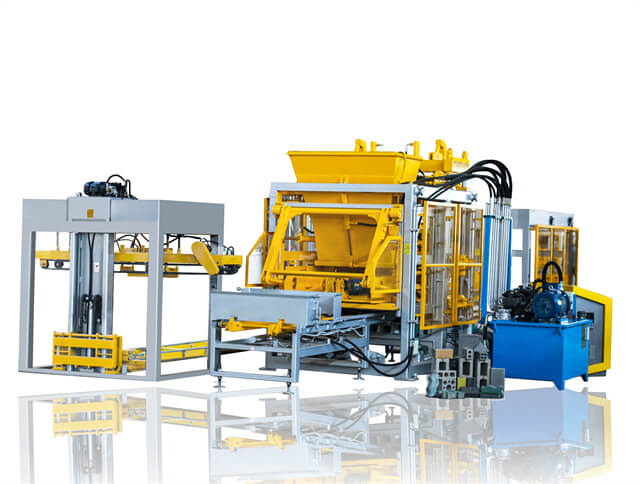
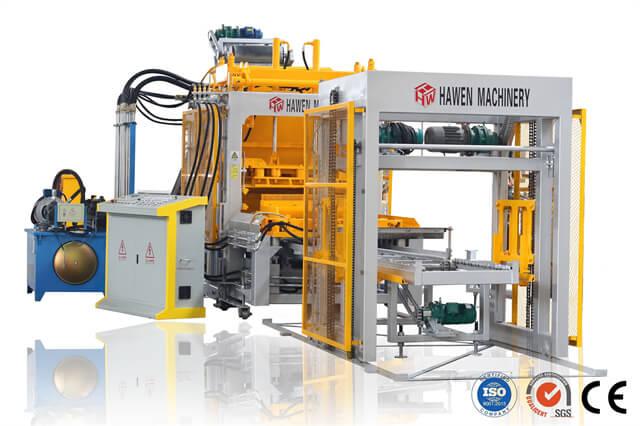
In Hawen systems, hydraulic units combine precision-engineered Japanese proportional and directional valves with robust American pump technology, enabling smooth pressure control and reliable long-term operation.
Control System Accuracy
Accurate parameter control minimizes mechanical stress caused by inconsistent cycles.
Hawen Machinery integrates a SIEMENS S7-200 PLC with an intuitive touch panel and remote monitoring capabilities. Operators can monitor real-time conditions and optimize parameters, ensuring stable production and reducing unnecessary mold wear.
4. How to Extend Mold Service Life
While replacement is inevitable, proper practices can significantly delay it.
Maintain optimal moisture content in raw materials to reduce abrasion
Avoid over-vibration, which accelerates structural fatigue
Clean molds after every production shift
Apply release agents to minimize friction
Ensure feeding cart movement remains smooth and evenly distributed, ideally controlled by servo-regulated hydraulic valves
These measures not only extend mold life but also improve overall production efficiency.
5. Replacement Strategy: Reactive vs Predictive
A reactive approach—waiting until defects become severe—often results in production losses and increased material costs.
A predictive strategy is more effective:
Track cycle counts and maintenance records
Monitor quality trends over time
Replace molds before significant deviation occurs
This approach aligns maintenance with production planning, reducing downtime and ensuring consistent output quality.
Conclusion: Precision Wears Gradually, But Its Impact Is Immediate
Mold replacement is not a question of “if,” but “when.” In a process where millimeter-level precision defines structural reliability, even minor wear can have disproportionate consequences.
Hawen Machinery approaches mold design as part of an integrated system—where vibration, hydraulics, and intelligent control work in concert to reduce wear and extend service life. Yet ultimately, the responsibility lies in disciplined monitoring and timely decision-making.
In modern block manufacturing, those who understand the lifecycle of precision tools do not merely maintain quality—they sustain competitiveness, optimize cost structures, and build a production system that performs reliably over time.
FAQ
1. How can I accurately track mold lifespan?
Use a combination of cycle counting, maintenance logs, and product quality monitoring rather than relying on time alone.
2. Is it better to repair or replace worn molds?
Minor wear can sometimes be repaired, but once dimensional accuracy is compromised, replacement is more cost-effective.
3. What is the biggest factor affecting mold wear?
Material abrasiveness and vibration intensity are the most significant contributors.
4. Can advanced machines reduce mold replacement frequency?
Yes. Stable hydraulics, precise control systems, and optimized vibration significantly reduce uneven wear.
5. Does increasing cement content compensate for worn molds?
Temporarily, but it increases costs and does not solve the underlying issue.





 Tel: +86-13905968794
 Email: export@hwmachines.com
 MP/WhatsApp: +86-13905968794
 Manufacturer Address:Nanan,Quanzhou City,Fujian Province,China