In high-throughput concrete production, daily maintenance is not a routine formality; it is a decisive factor that safeguards operational continuity and product consistency. Even marginal neglect can accumulate into mechanical fatigue, dimensional deviation, and unplanned downtime. Therefore, a disciplined daily checklist is indispensable for any block manufacturing facility aiming for stable output and cost control.
This guide presents a structured and practical daily maintenance checklist, applicable across most modern block machines.
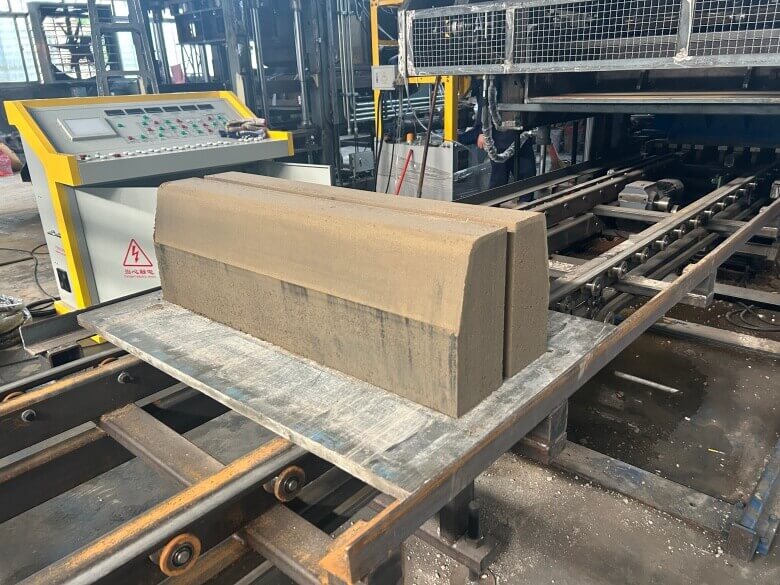
1. Pre-Startup Inspection: Establishing Operational Readiness
Before initiating production, a comprehensive inspection ensures that all systems are in optimal condition.
Key checks include:
Visual inspection of the machine frame and moving parts
Ensure there are no loose bolts, abnormal wear, or structural misalignment.
Lubrication points
Confirm that all designated lubrication areas are adequately greased to prevent dry friction.
Electrical connections
Verify that wiring is intact and control panels show no fault signals.
Mold condition
Clean any residual material and check for early signs of deformation or wear.
Note: A five-minute inspection before startup can prevent hours of downtime later in the day.
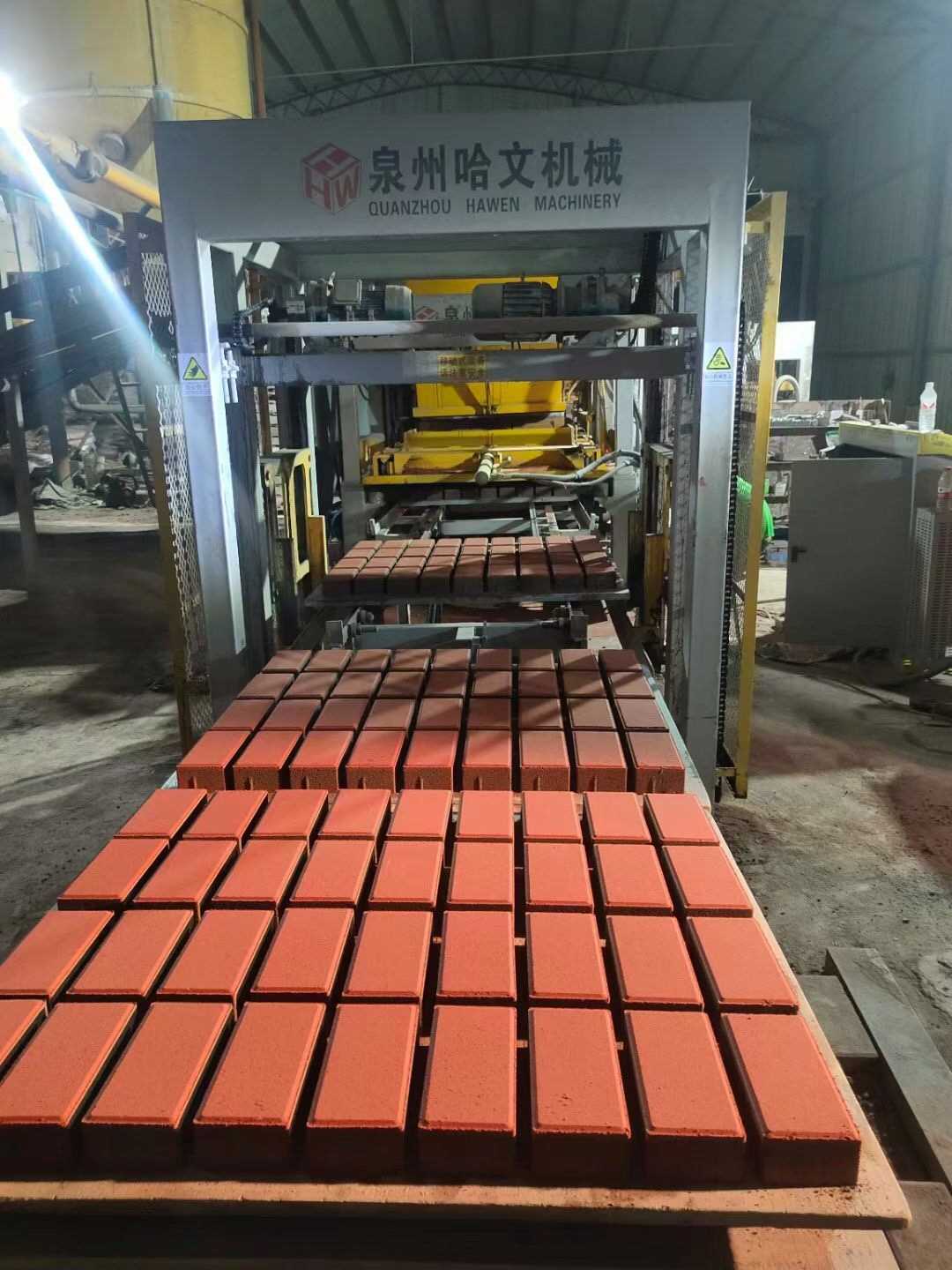
2. Hydraulic System Check: Stability Under Pressure
The hydraulic system governs movement precision and forming pressure. Any instability will directly affect block density and dimensional accuracy.
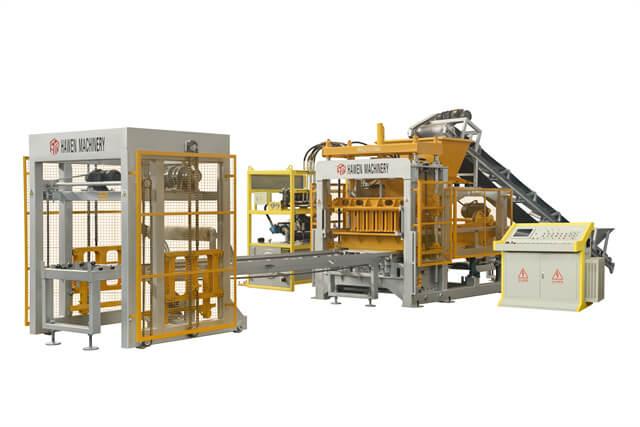
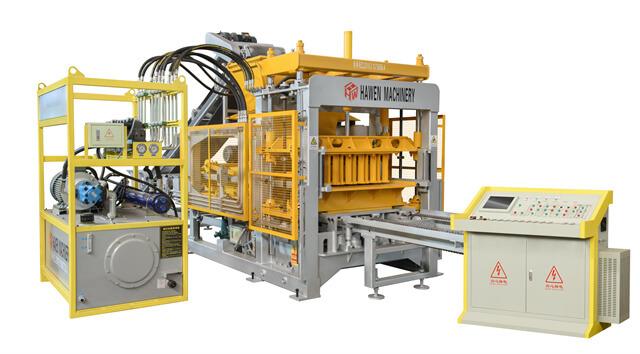
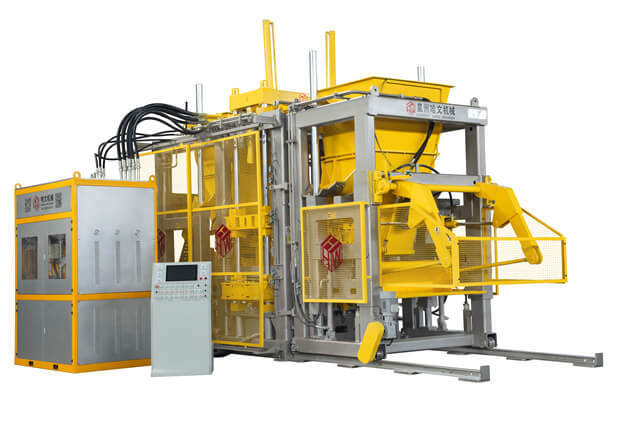
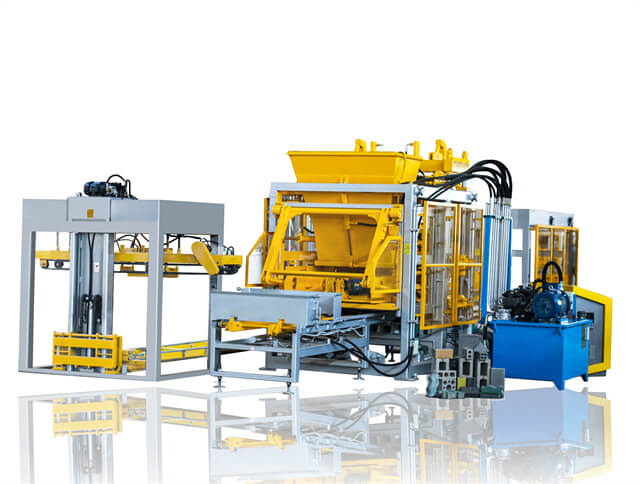
In Hawen Machinery systems, the hydraulic configuration combines high-precision Japanese proportional and directional control valves with durable American pump units, ensuring smooth and responsive power transmission.
Daily checklist:
Check hydraulic oil level and cleanliness
Inspect for leakage in pipelines and connectors
Observe pressure stability during initial cycles
Particular attention should be paid to the feeding cart movement, which should be controlled by a servo-regulated hydraulic valve. Smooth, synchronized travel ensures uniform material distribution and prevents uneven compaction.
3. Vibration System Monitoring: The Core of Compaction Quality
Compaction efficiency depends on consistent vibration performance. Any deviation can result in internal voids or inconsistent strength.
Hawen Machinery adopts a four-shaft vibration box design, positioning eccentric blocks outside the housing. This reduces resistance during vibration, ensures uniform compaction, and lowers cement consumption while improving overall efficiency.
Daily tasks include:
Listen for abnormal vibration noise
Check motor temperature and operating stability
Ensure eccentric blocks and fasteners remain secure
Annotation: Early-stage vibration issues often manifest as slight density variation rather than visible defects—routine monitoring is therefore critical.
4. Control System Verification: Ensuring Process Consistency
A reliable control system maintains stable cycle times and repeatable product quality.
Hawen Machinery integrates a SIEMENS S7-200 PLC with an intuitive touch panel and remote monitoring capabilities. This allows operators to track real-time machine status, adjust parameters efficiently, and diagnose issues remotely.
Daily checklist:
Confirm system parameters match production requirements
Check for error messages or alarms
Verify sensor responsiveness and signal accuracy
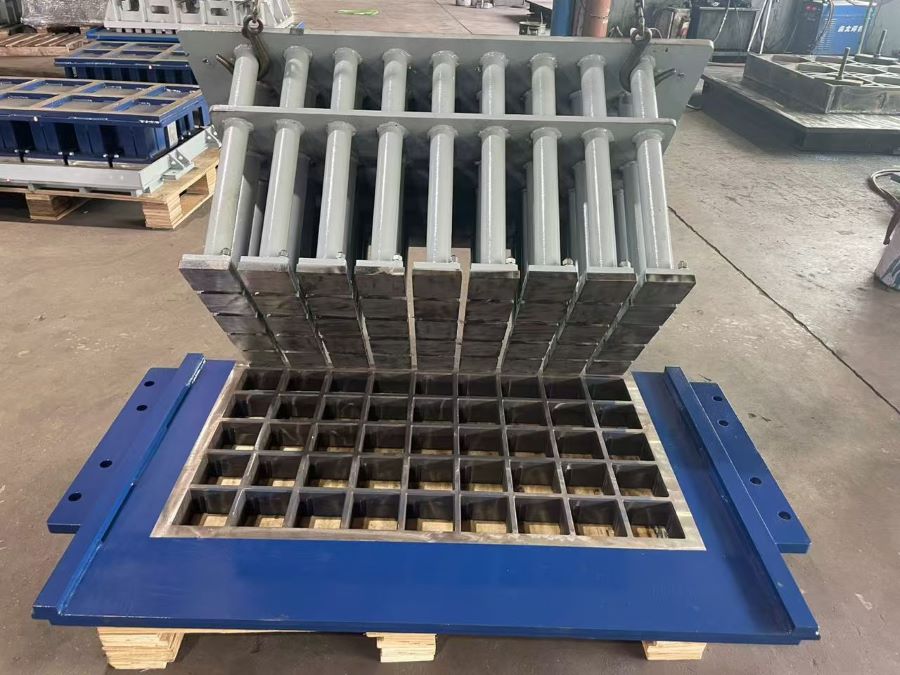
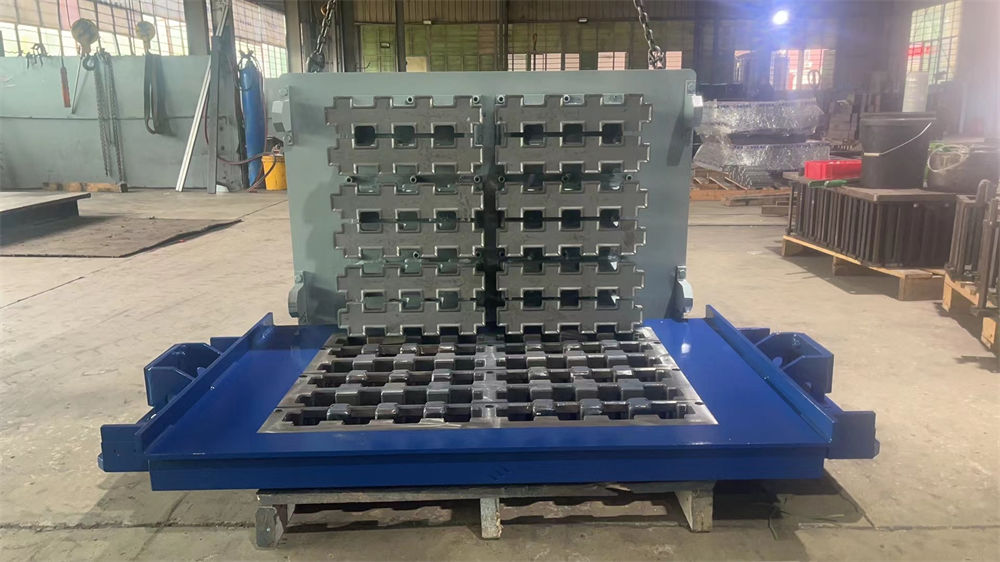
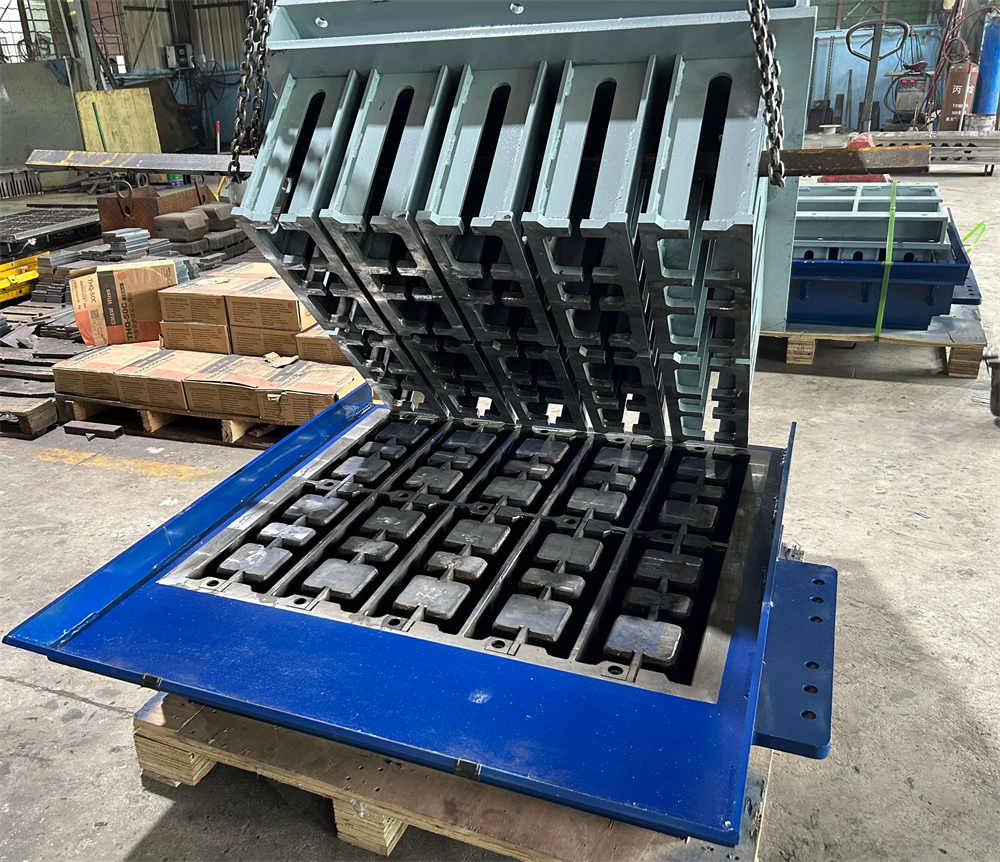
5. Mold Maintenance: Preserving Precision and Surface Quality
Molds directly determine the geometry and surface finish of blocks. Neglecting mold care leads to cumulative defects.
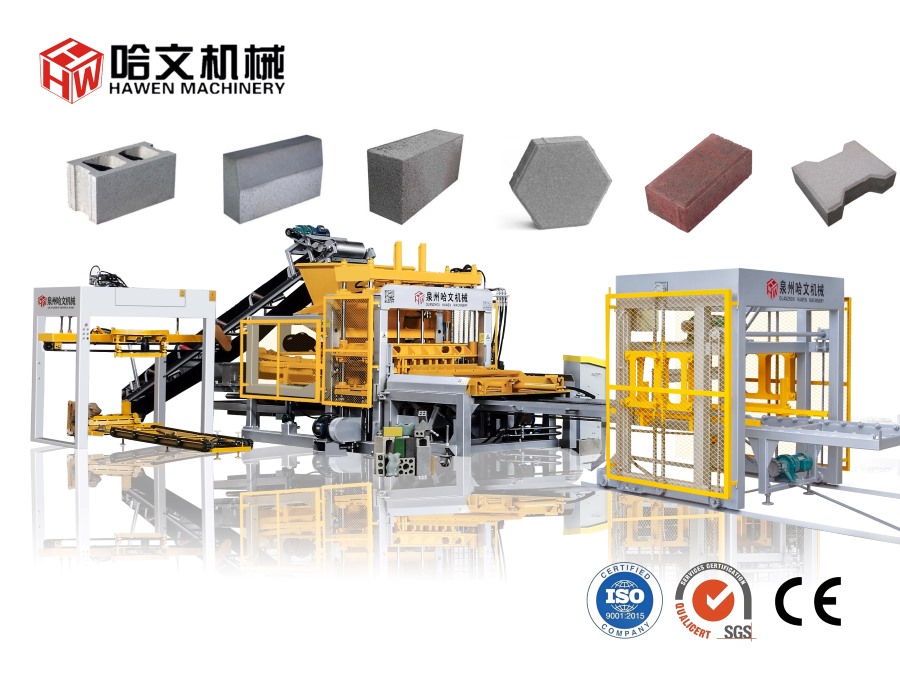
Hawen Machinery designs molds compatible with leading block machine brands, including MASA, HESS, ZENITH, POYATOS, BESSER, TIGER, and others. Manufactured according to original specifications and subjected to heat treatment, these molds ensure durability and dimensional accuracy.
Daily actions:
Clean molds after each shift to remove residual concrete
Inspect edges, corners, and cavities for wear
Apply anti-wear or release agents when necessary
6. Pallet and Material Handling System Check
Smooth logistics are essential for uninterrupted production flow.
Operators should:
Ensure pallet surfaces are clean and undamaged
Check alignment of pallet transfer systems
Verify material feeding consistency
Even minor misalignment can disrupt the entire production rhythm.
7. End-of-Day Shutdown Procedure: Preparing for the Next Cycle
Proper shutdown is as important as startup.
Checklist:
Remove residual materials from the machine and molds
Turn off hydraulic and electrical systems in sequence
Record any abnormalities observed during operation
This ensures that the next production cycle begins under controlled conditions.
Conclusion: Discipline Defines Performance
Daily maintenance is not merely a technical requirement; it is a managerial philosophy that reflects operational discipline. In an industry where margins are often determined by efficiency and consistency, a well-executed daily checklist becomes a silent yet powerful competitive advantage.
Hawen Machinery integrates advanced engineering—from precision hydraulics to intelligent control systems—but long-term excellence ultimately depends on how these systems are maintained in practice. When maintenance becomes routine, performance becomes predictable; when discipline becomes culture, excellence becomes standard.
FAQ
1. How long should a daily maintenance routine take?
Typically 15–30 minutes, depending on machine complexity and production scale.
2. What is the most critical daily check?
Hydraulic system stability and mold condition, as both directly affect block quality.
3. Can daily maintenance reduce production costs?
Yes. It minimizes unexpected downtime, reduces component wear, and improves material efficiency.
4. Is vibration system inspection necessary every day?
Absolutely. Even small irregularities can quickly escalate into major quality issues.
5. Should operators record daily maintenance activities?
Yes. Maintenance logs help track recurring issues and support long-term performance optimization.






 Tel: +86-13905968794
 Email: export@hwmachines.com
 MP/WhatsApp: +86-13905968794
 Manufacturer Address:Nanan,Quanzhou City,Fujian Province,China